A town of roughly 1,000 people welcomes 8,000 visitors for one weekend every August, and somehow the parking still works, the shuttle buses still run on time, and the campfires still burn until sunrise without anyone feeling like a stranger. That’s the peculiar magic of Lucknow’s Music in the Fields, the non-profit country and rock festival that transforms Lucknow, Ontario into one of the province’s most talked-about summer destinations. If you’re weighing whether to buy a ticket, book a campsite, or simply figure out what you’re getting into, this guide walks through the festival’s history, its lineup, exactly how tickets and camping are priced, and the policies you’ll want to know before you ever pack the car.
What Is Lucknow’s Music in the Fields?
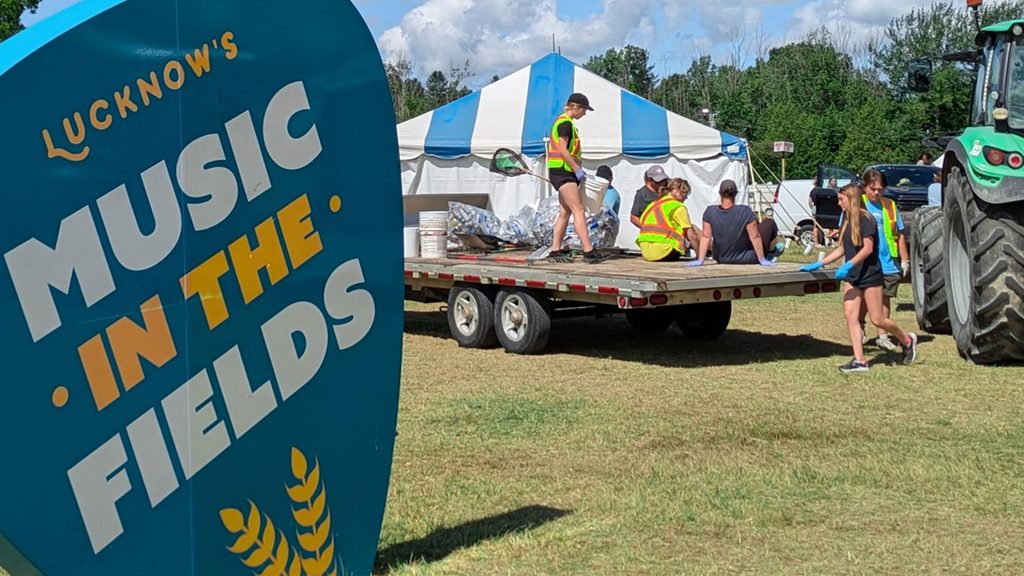
Lucknow’s Music in the Fields is a three-day, multi-genre music festival held every August at Graceland Festival Grounds in Bruce County, Ontario.
The event blends major-name country and rock headliners with rising Canadian talent, all set against a backdrop of rural fields, on-site camping, and small-town hospitality that big-city festivals rarely replicate. What separates it from most festivals of comparable size is its ownership structure: it is 100% non-profit, run by the Lucknow and District Kinsmen Club, with every dollar of proceeds funneled into local charities and the fight against cystic fibrosis.
The festival draws attendees from across Ontario and beyond, many of whom treat it as an annual tradition rather than a one-off concert trip. It has earned a reputation as a family-friendly, all-ages event, with children nine and under admitted free when accompanied by a paying adult.
That inclusive positioning, paired with genuinely big-name headliners, is part of why Lucknow’s Music in the Fields has grown from a modest community gathering into one of Ontario’s most reliable summer festival sellouts.
The History of Lucknow Music in the Fields: From a Kinsmen Idea to Ontario’s Beloved Field Party
The festival’s origin story is refreshingly unglamorous.
In 2008, the local Kinsmen Club in Lucknow had an idea to bring a large-scale music festival to their small town while keeping its small-town feel intact.
The first event drew around 1,200 patrons, camping stretched across local farmers’ fields, and the concerts themselves were staged on community soccer fields rather than a purpose-built venue. It was, by every account, a modest community fundraiser with big ambitions.
Growth came steadily rather than overnight. As attendance climbed year over year, organizers eventually moved the entire operation onto dedicated grounds now known as Graceland Festival Grounds, named in tribute to former landowner Grace Hopf.
That shift gave the festival room to expand its camping capacity, build out infrastructure like shuttle routes and accessible parking, and book increasingly recognizable headliners without losing the volunteer-run character that defines it. Attendance eventually climbed to roughly 8,000 patrons annually, a figure that literally multiplies Lucknow’s year-round population several times over for one long weekend.
The festival’s timeline wasn’t uninterrupted. Like most large gatherings, Lucknow’s Music in the Fields went on a multi-year hiatus during the COVID-19 pandemic before making a widely covered comeback, with regional outlets like CTV News and the Lucknow Sentinel documenting the festival’s return and its continued growth in the years since.
By 2026, the event marks its 18th year, and its evolution says a lot about what sustained community-driven event planning can accomplish without a major promoter or private equity backing behind it. Understanding that lineage matters for ticket-buyers because it explains the festival’s continued emphasis on volunteerism, its cautious approach to pricing, and its unusually strong local buy-in from businesses and residents in Bruce County.
Where It Happens: Graceland Festival Grounds in Lucknow, Ontario
Lucknow’s Music in the Fields takes place entirely at Graceland Festival Grounds at 577 Walter Street in Lucknow, a small community located in Bruce County roughly 15 minutes from the shores of Lake Huron.
For first-time attendees, the location is genuinely rural, which is central to the festival’s appeal but also worth planning around. Owen Sound sits about one hour away, Grand Bend is roughly an hour as well, and London and the Kitchener-Waterloo/Guelph corridor are closer to 90 minutes.
Attendees coming from Barrie should expect around two hours of driving, while those departing from Toronto should budget closer to two and a half hours.
Because the grounds sit outside a major urban center, most of the logistical planning for a Music in the Fields weekend revolves around whether you’re camping on-site, staying in nearby accommodations, or commuting in for single-day passes. The venue itself is organized around a central concert bowl, surrounded by tiered camping zones that range from tent-only sections to premium RV sites closer to the stage.
This layout is fairly typical of large-scale rural festival grounds across North America, but Lucknow’s Music in the Fields is unusually compact and walkable compared to sprawling multi-stage festivals, which makes it easier to navigate even for attendees who have never camped at a music event before.

What You Can Expect from the Lucknow’s Music in the Fields Lineup and Festival Experience
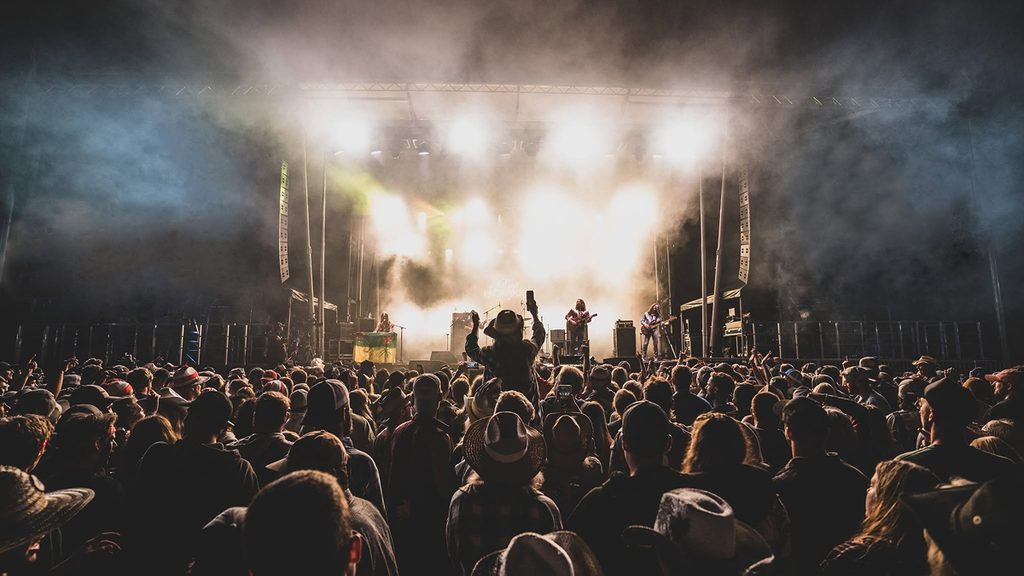
Lucknow’s Music in the Fields has built its reputation on booking headliners that punch well above what you’d expect from a small-town, non-profit event.
The 2026 lineup spans three nights and blends country, rock, and tribute acts across a mix of stages.
- Thursday’s bill features Tin Roof and Simply Queen, a tribute act, alongside DJ Johnny Rivex.
- Friday brings rock acts Finger Eleven, Headstones, and JJ Wilde to the main stage.
- Saturday, traditionally the festival’s marquee night, headlines with Koe Wetzel and Elle King, supported by Corb Lund, Honeymoon Suite, Kalsey Kulyk, and Kim Kay & Stop 19.
Want to learn more about this year’s Lucknow’s Music in the Fields lineup? Check out Ticketscene’s exclusive lineup breakdown here.
That roster fits a pattern the festival has followed for years: past lineups have included artists like Brothers Osborne, Chris Janson, Dierks Bentley, Big & Rich, Blue Rodeo, Jordan Davis, and Josh Ross, alongside dozens of Canadian country and rock acts building their national profile.
This consistency in booking quality, year after year, is a meaningful trust signal for anyone deciding whether a ticket is worth the price, since it shows the festival isn’t a one-year fluke riding on a single big name.
One feature worth knowing about before you buy: the Emerging Artist Showdown.
Each year, Lucknow’s Music in the Fields opens submissions to emerging musicians across the province, narrows the field to a handful of finalists through public voting, and adds the winners as official side-stage openers for the festival’s headliners. It’s a genuinely unusual level of access for new artists at a festival this size, and it gives attendees a reason to arrive early rather than treating the undercard as filler.
How to Buy Lucknow’s Music in the Fields Tickets
All official ticketing for Lucknow’s Music in the Fields runs through Ticketscene, the festival’s exclusive ticketing partner, and purchases are made directly through links on musicinthefields.ca or the Ticketscene event page.
There is no box office walk-up option for advance sales, and buyers should be cautious of third-party resale sites, since the festival explicitly states that tickets are not transferable between Ticketscene accounts except through a formal name-change request submitted directly to Ticketscene support.
The purchase flow typically starts with weekend passes, which cover all three festival days and are released in escalating pricing tiers well before the event, sometimes as early as January for the following August.
Buyers create or log into a Ticketscene account, select their pass tier, and can add extras like a VIP upgrade or a campsite reservation during the same checkout or in a later session once camping registration opens. If you already hold a weekend pass and later decide you want camping or a VIP upgrade, you don’t need to buy a new ticket; you simply log back into your existing Ticketscene account and add it to your order.
Single-day passes are a separate, more limited category.
According to the festival’s own FAQ, single-day tickets are only released if weekend passes have not sold out, a decision organizers typically make sometime between mid-July and early August. That means anyone specifically hoping to attend just one night, say, to catch a single headliner, should not assume a day pass will be available and should treat the weekend pass as the more reliable purchase path.
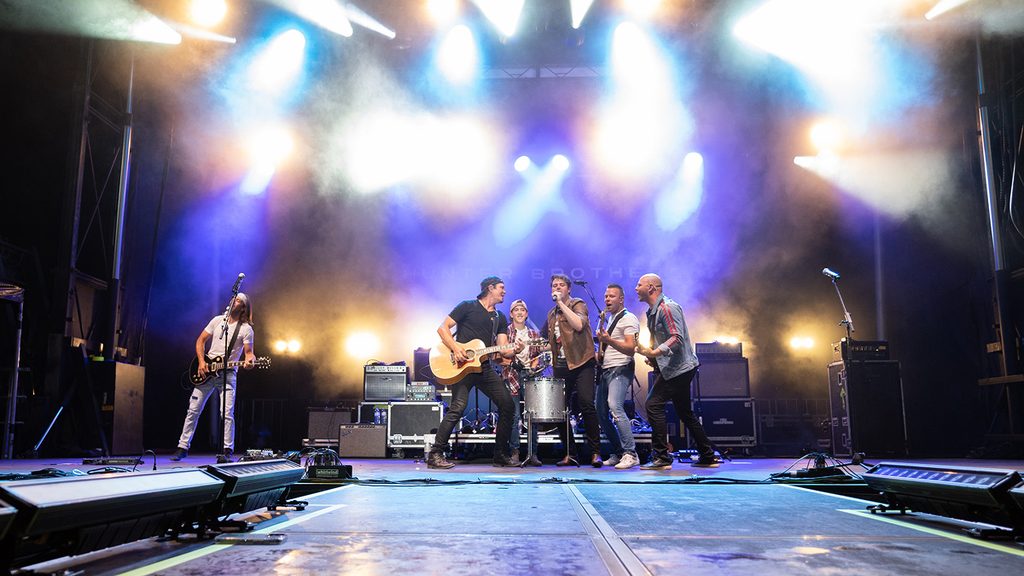
Understanding Ticket Pricing: Tiers, Early Bird, and VIP Upgrades
Lucknow’s Music in the Fields uses a tiered, escalating pricing model, a pricing strategy common across North American festivals from major promoter-backed events to smaller community festivals like this one, where the earliest buyers pay the least and prices climb in stages as each allotment sells out.
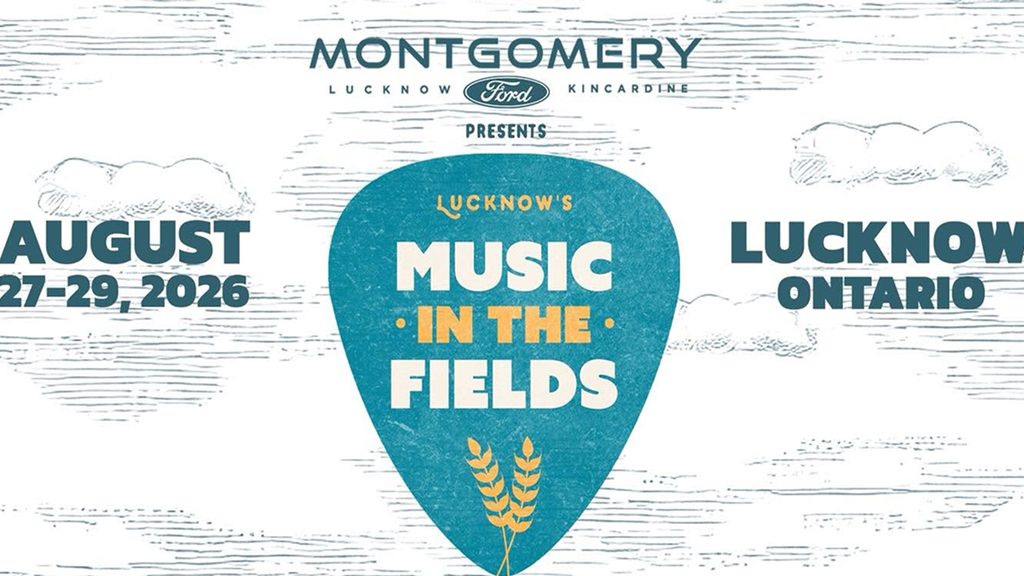
For the 2026 festival, running August 27 to 29, weekend passes launched at an early-bird price of $179 plus HST and fees. Once that allotment sold through, Tier 1 pricing stepped up to $199, and Tier 2 pricing climbed further to $219, both plus applicable taxes and service fees.
This structure rewards buyers who commit early and creates a genuine cost incentive not to wait, which is a detail worth flagging to anyone comparing this to festivals with flat, single-price ticketing.
For attendees who only want one day of the festival, single-day pricing scales with the perceived strength of that night’s lineup rather than being a flat fraction of the weekend price.
Thursday’s single-day pass, historically the lighter night of the bill, has run around $75, Friday climbs to roughly $119, and Saturday, the traditional headliner night, has commanded closer to $179, essentially matching the early-bird weekend price for a single day.
VIP access is sold as an add-on upgrade, not a standalone ticket, meaning it must be purchased in addition to a valid weekend pass. The VIP upgrade has run at $200 plus HST and fees per adult, with a reduced child rate for attendees nine and under. What that unlocks includes fast-pass entry into the concert bowl, a dedicated elevated viewing platform at the main stage, a private bar with an extended menu, exclusive food options, extra shaded seating, and separate air-conditioned washrooms.
Because VIP inventory is limited and typically released only after Tier 1 weekend passes sell out, buyers who want it should plan to act quickly once it becomes available rather than treating it as something to add later in the season.
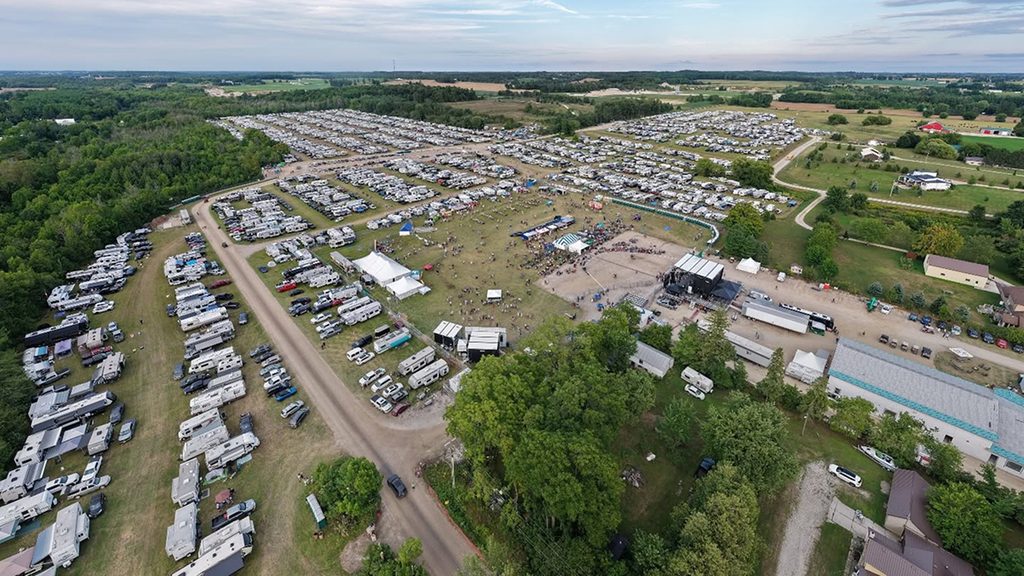
Camping at Lucknow’s Music in the Fields: Your Options and Pricing
Camping is arguably as central to the Lucknow’s Music in the Fields experience as the concerts themselves, and it is sold separately from your weekend pass through the same Ticketscene platform.
Pricing is structured by proximity to the concert bowl and site type rather than by number of occupants, which is a detail that consistently trips up first-time buyers. Each price is per campsite for the entire weekend, not per person, and the festival explicitly recommends no more than six to eight people share a single site for comfort, even though there’s technically no hard occupancy cap.
For the 2026 season, standard sites in the newly expanded East General area run $220 and accommodate either a trailer or a tent on a 20-by-40-foot footprint. Premium locations closer to the stage, including the Premium South and Premium Hillside sections, have run $250 per site when available, though these tend to sell out fastest given their proximity to the main stage.
Budget-conscious campers gravitate toward Tent City, a tents-only section with smaller 20-by-20-foot sites priced around $120, designed specifically for people who’d rather not pitch a tent between oversized trailers.
Attendees with especially large rigs can purchase extra-large corner sites around $390 or extra-deep sites for RVs over 40 feet at roughly $440, since the festival’s largest standard sites max out at 40 feet.
A handful of camping rules matter enough to flag before you book. Every site must have at least one adult aged 19 or older present for the entire weekend, verified at registration and spot-checked throughout the event. Camping runs from Wednesday night through Sunday morning, all sites are rough camping with no hydro or water hookups (generators are permitted, though excessively loud ones may be asked to shut down), and campsites are explicitly non-refundable and non-transferable once purchased. Given how quickly premium and accessible sites tend to sell out, buyers serious about a specific location should plan to book camping the moment registration opens rather than waiting.
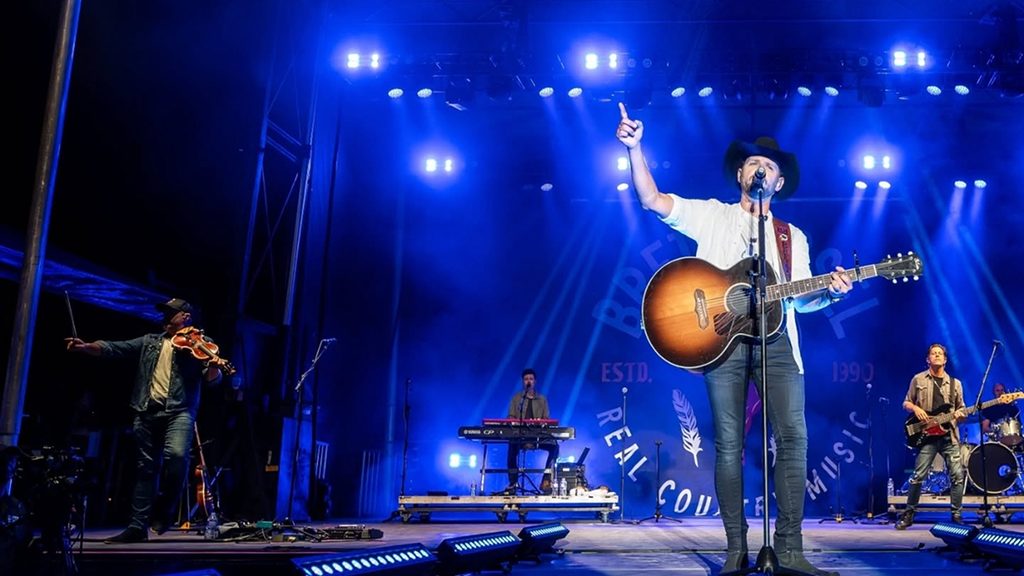
Getting to the Grounds at Lucknow’s Music in the Fields: Parking and Shuttle Service
For attendees who aren’t camping, Lucknow’s Music in the Fields runs a free parking and shuttle system designed to keep congestion away from the festival grounds themselves.
Two off-site lots handle the bulk of day-tripper traffic: the Lucknow Kinsmen Soccer Fields and the Lucknow and District Sports Complex, both of which connect to Graceland via free shuttle and bus routes running from mid-morning into the late evening on peak festival days.
This system also doubles as the designated drop-off point for anyone meeting friends who are already camped on-site, since the festival does not permit personal vehicles to drive directly into the campgrounds for drop-offs.
It’s worth noting that camping tickets only include parking for one vehicle per site. Anyone bringing a second car needs to use the off-site lots and shuttle in rather than expecting to park a spare vehicle at their campsite, a rule the festival enforces fairly strictly given how tightly the grounds are laid out.
Re-entry for vehicles already inside the grounds is time-limited and requires a windshield sticker issued at camping registration, so campers who leave during the day to restock supplies need to track posted gate closing times or risk being redirected to overnight parking at the sports complex instead.
Lucknow’s Music in the Fields Policies: What Every Ticket-Buyer Should Know
The single most important policy for any prospective buyer is this: all ticket and camping sales are final.
Lucknow’s Music in the Fields does not offer refunds for tickets or campsites under normal circumstances, a policy consistent with most large outdoor festivals but one that catches first-time buyers off guard if they assume standard consumer-friendly cancellation terms.
Wristbands function as your actual ticket once you’re on-site. You’ll exchange your digital or printed Ticketscene ticket for a physical wristband at the gate, and from that point forward, the wristband itself is what grants entry and re-entry; lose it, and you’ll need to purchase another ticket to get back in.
Wristbands are also color- or marking-differentiated by age, distinguishing minors from attendees who are 19 and older, and security, OPP officers, or licensed bartenders can request photo ID at any time inside the concert bowl, since it operates as a licensed area under Ontario law.
Anyone caught without ID in that zone can be removed to the camping area and denied re-entry until they can produce it.
Weather policy is another detail worth internalizing before you commit: Lucknow’s Music in the Fields runs rain or shine, with no weather-related refunds, so packing a poncho and sun protection is genuinely part of trip planning rather than an afterthought.
Related to that, umbrellas are not permitted inside the concert bowl for sightline and safety reasons, regardless of whether they’re being used for rain or sun. On the subject of what you can bring, outside food and drink are generally prohibited in the concert bowl, with documented exceptions made for specific dietary restrictions or medical needs, and lawn chairs are welcome everywhere except a marked no-chair zone directly in front of the stage.
Pets are not permitted anywhere on festival grounds, though properly vested or documented service animals are welcome.
Finally, attendees should know that weekend passes are non-transferable between different people on different days, meaning you can’t split a single pass across multiple friends attending on separate nights; each pass is tied to one individual for the full weekend it covers.

Accessibility and Accommodations for Those Attending Lucknow’s Music in the Fields
Lucknow’s Music in the Fields maintains a dedicated accessibility framework that’s more developed than many festivals of comparable size.
Accessible camping is available in designated sections closest to the concert bowl entrance, reserved for attendees with a valid handicap permit, and accessible parking is accessible through a specific gate with permit verification required at entry.
For attendees with mobility challenges who don’t want to camp far from the action, the festival also runs a free golf cart shuttle service operated by volunteers on a continuous loop between the camping areas and the concert bowl entrance, though personal golf carts and ATVs are not permitted on the grounds.
For anyone who would rather skip camping altogether, Lucknow and the surrounding area offer nearby hotel and short-term rental options, which the festival lists through a dedicated accommodations resource on its website.
This is worth serious consideration for attendees traveling with young children, older family members, or anyone who simply prefers a bed and a shower over rough camping, since Graceland Festival Grounds offers no hydro or water hookups and only limited shower access via the Lucknow Arena during specific morning windows.
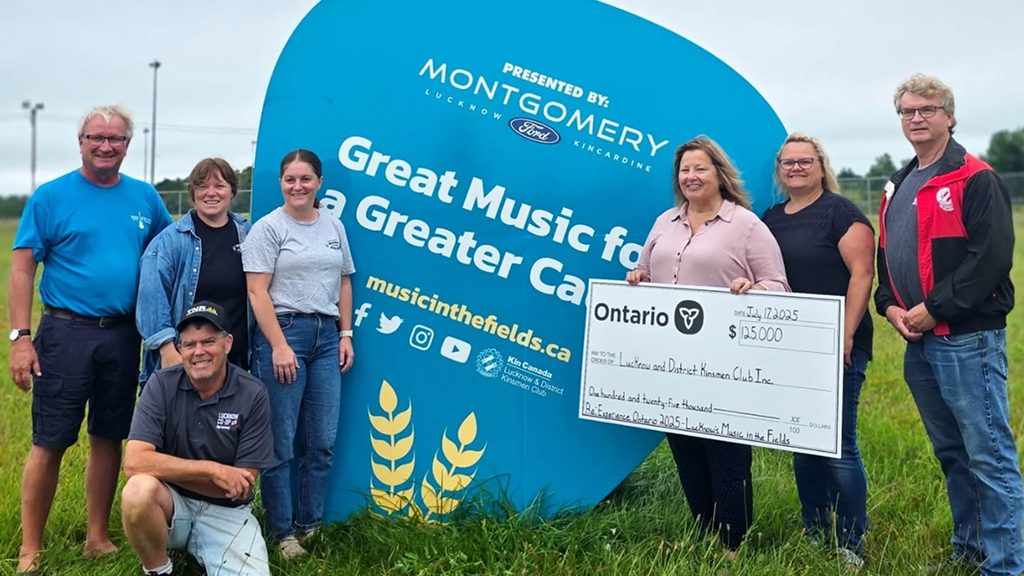
Great Music for a Greater Cause: The Festival’s Charitable Impact
What ultimately sets Lucknow’s Music in the Fields apart from most commercial festivals is where the money goes.
Since its founding, the festival has donated more than $1.3 million to local schools, hospitals, and community organizations, alongside its ongoing partnership with Cystic Fibrosis Canada, the national charity of Kin Canada.
Every ticket purchase, camping fee, and VIP upgrade functions as an indirect charitable contribution, which is a genuinely differentiating factor compared to for-profit festivals where ticket revenue primarily supports artist fees, promoter margins, and shareholder returns.
That charitable structure also explains the festival’s heavy reliance on volunteer labor, with more than 600 community volunteers handling everything from ticket scanning and traffic direction to event planning and post-festival cleanup each year.
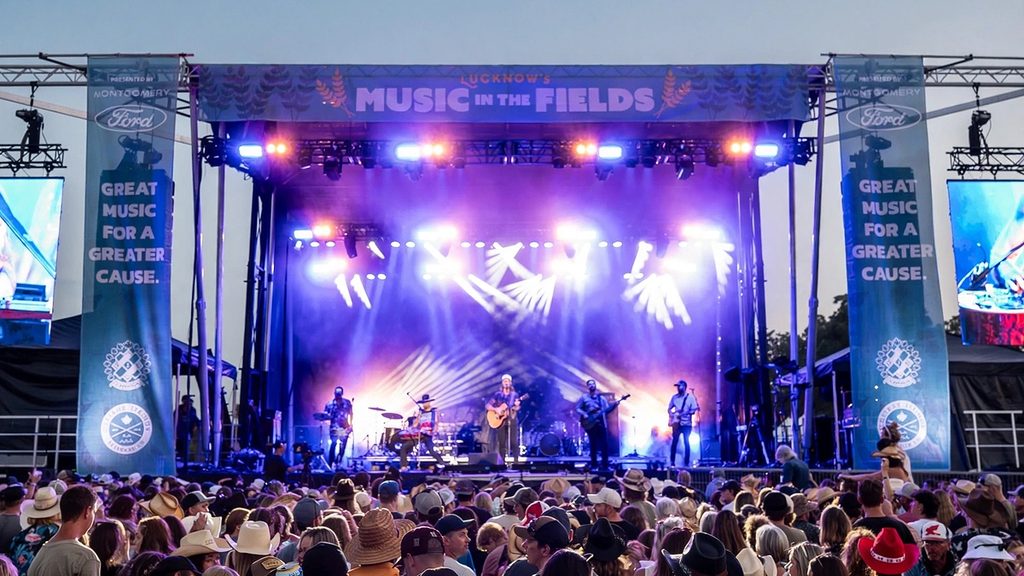
Planning Your Weekend in the Fields with Some of Ontario’s Best Bands
Lucknow’s Music in the Fields rewards the kind of planning most big festivals don’t require: book early to lock in the lowest ticket tier, treat camping as a separate purchase with its own deadlines, and pack for genuinely rustic, rain-or-shine conditions rather than a polished urban concert experience.
What you get in return is a festival that has spent 18 years proving that a town of a thousand people can host a headline-caliber lineup, raise well over a million dollars for charity, and still feel like a backyard party rather than a corporate production.
Whether you’re chasing the Saturday headliners, angling for a shaded VIP viewing platform, or just looking for a reason to pitch a tent with friends for four nights, the fields outside Lucknow have built a genuinely rare kind of festival loyalty, and now you know exactly what it takes to be part of it.
Buy your tickets to Lucknow’s Music in the Fields 2026 from Ticketscene to secure your attendance. Don’t wait. The weekend is fast approaching!