

Few festivals in Ontario manage to balance big‑name blues talent with small‑town charm quite like the Bruce Telecom Lighthouse Blues Festival.
Nestled along the shores of Lake Huron in Kincardine, the Lighthouse Blues Festival has quietly built a reputation as one of the more intimate, community‑driven blues gatherings in eastern Canada and the northern United States.
Now in its 17th year, the 2026 edition returns July 9–12 with a stacked, multi‑genre lineup, an Indigenous Artist Showcase Thursday night, a free Saturday street‑festival footprint, and a growing Sunday “Music in the Park” program that stretches the weekend far beyond the ticketed main stage.
What sets Lighthouse Blues apart is how it layers music with family programming, local partnerships, and a distinctly walkable downtown layout.
The festival’s ticketed main stage occupies the grounds of The Bruce at 750 Queen Street, while the Saturday street festival spills into Victoria Park and surrounding blocks with multiple stages, artisan vendors, a children’s zone, and even a vintage British sports‑car display.

See the Evolution of a Lakeside Blues Staple in Bruce Telecom
Lighthouse Blues did not begin as the multi‑stage, multi‑day destination it is today.
The festival originated in 2010 as a modest, two‑night, single‑stage event staged in the rear parking lot of The Bruce, a local venue that had already earned a reputation as a blues hub in Bruce County.
That first July 9–10 weekend featured a handful of local and regional acts, among them the Breakwater Blues Band and Dark Angel Blues Band, with Friday night focusing on homegrown talent and Saturday headlined by David Rotundo, already an established name in Canadian blues circles.
Despite last‑minute cancellations and some logistical hiccups, the reception was strong enough that discussions for a 2011 edition began almost immediately.
By 2011, the organizers had formalized the festival’s structure, incorporating it as a nonprofit with a board of directors and bringing back MyFM Radio as a title sponsor. That year also introduced the “Back Porch Stage,” a free daytime stage in Victoria Park that gave the festival a family‑friendly footprint beyond the ticketed evening concerts.
Community impact quickly became part of the festival’s identity, with early proceeds directed to the newly built Davidson Centre, reflecting a model where cultural programming and civic infrastructure are mutually reinforced.
As the festival grew, so too did its contribution to local charities, with the Kincardine District Lions Club eventually becoming the primary community partner.
How the Lighthouse Blues Festival Expanded its Footprint in the Early 2010s
The real turning point came in 2012, when Bruce Telecom stepped in as title sponsor and helped expand the free Saturday component into what would evolve into the Kincardine BIA Street Festival.
With support from the Kincardine Business Improvement Area, the organizers added multiple stages along the downtown core, formalized the street‑market and artisan alley, and began layering in family‑oriented features such as a petting zoo and children’s zone.
This expansion allowed Lighthouse Blues to attract audiences who might not buy a full‑weekend ticket but were still willing to spend the afternoon drifting from stage to stage, supporting local vendors and food trucks along the way.
Within a few years, the event had effectively transformed from a niche two‑night blues show into a multi‑day downtown takeover.
In 2013, the festival added a third day with the introduction of a Sunday “Gospel Revival” in Victoria Park, directed by local artist Raylene Rebryna. That three‑hour morning program, set in a park rather than a church, became a signature feature and one that appeals not only to regular blues fans but also to congregants and families looking for a more reflective, community‑driven start to the weekend.
Over the next decade, Lighthouse Blues continued to refine its rhythm: ticketed main‑stage nights focused on international touring acts, Saturday daytime stages leaning into regional and emerging talent, and Sunday mornings offering a curated gospel experience that feels more like a shared local celebration than a commercial add‑on.
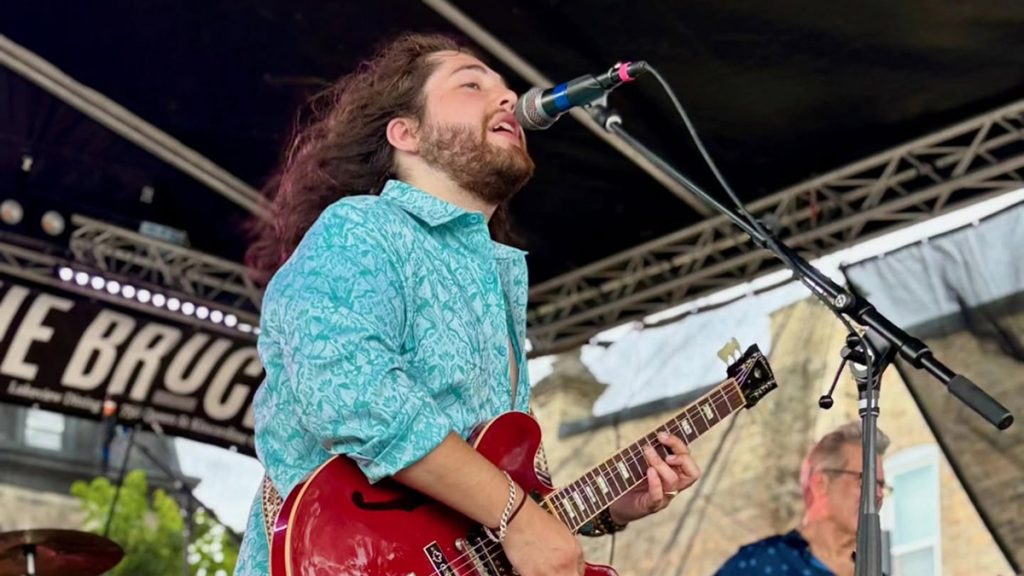
Recognition, Attendance, and Economic Impact of the Lighthouse Blues
Lighthouse Blues has earned consistent praise and recognition at the provincial level.
Ontario’s Festival and Events Ontario has included the festival in its Top 100 Festivals and Events list every year since 2015, a designation that signals both artistic quality and operational maturity.
The festival now draws close to 10,000 visitors over the course of the weekend, with the 1,000‑seat main stage offering an intentionally intimate setting that contrasts with the more cavernous open‑air blues festivals farther afield.
For a community of Kincardine’s size, those numbers translate into a noticeable economic boost for local businesses, hotels, and restaurants, particularly during the mid‑July “shoulder” period between peak summer traffic and late‑summer tourism.
From a nonprofit perspective, the festival’s growth has been carefully calibrated. Revenues are designed not only to cover professional production and artist fees – often subsidized in early years by partners such as Mike Manuel of London’s Music Hall – but also to funnel back into community projects.
Over the years, the festival has raised more than $81,000 for the Kincardine District Lions Club, including sizable contributions toward the Lions Splash Pad at the Davidson Centre. This model – where the festival acts as both a cultural magnet and a fundraising engine – has helped cement its reputation as a “boutique” but deeply embedded local institution rather than a transient touring stop.
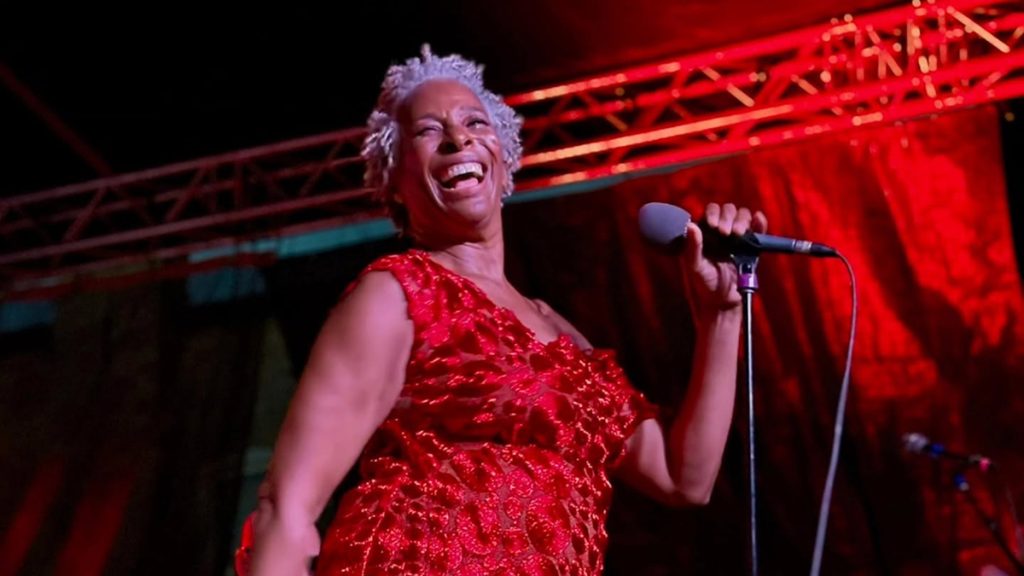
What to Expect at the 2026 Lighthouse Blues Festival
The 17th Bruce Telecom Lighthouse Blues Festival in 2026 follows the template that has proven successful over the past decade while making incremental expansions.
The core ticketed program runs Friday and Saturday nights on the Bruce Telecom Main Stage at The Bruce, overlooking Kincardine Harbour and the town’s iconic lighthouse, with the weekend pass structured around those two evenings.
Doors typically open in the late afternoon, allowing time for visitors to explore the surrounding area before the main‑stage acts begin, which helps stagger crowd flow and reduces pressure on the single large venue.
The festival’s official website and ticketing partner, Ticketscene, frame the event as “strictly the blues,” though the programming increasingly leans into roots, soul, and Americana as satellite genres.
Complementing the ticketed nights is the Saturday Kincardine BIA Street Festival, which in 2026 features six performance stages spread across downtown blocks. This free component includes a mix of local and regional bands, solo performers, and newer acts cutting their teeth in front of large crowds, effectively using the festival as a low‑pressure talent pipeline.
The street‑festival footprint also hosts a vintage British sports‑car display, a motorcycle meet, artisan alley, retail street market, and children’s zone, reinforcing the festival’s position as a family‑oriented destination rather than a purely adult‑aimed concert series.
Sunday continues to be anchored by the Music in the Park program at Victoria Park, which has expanded into the late afternoon and now includes multiple acts, giving the weekend a more relaxed, lingering finish.
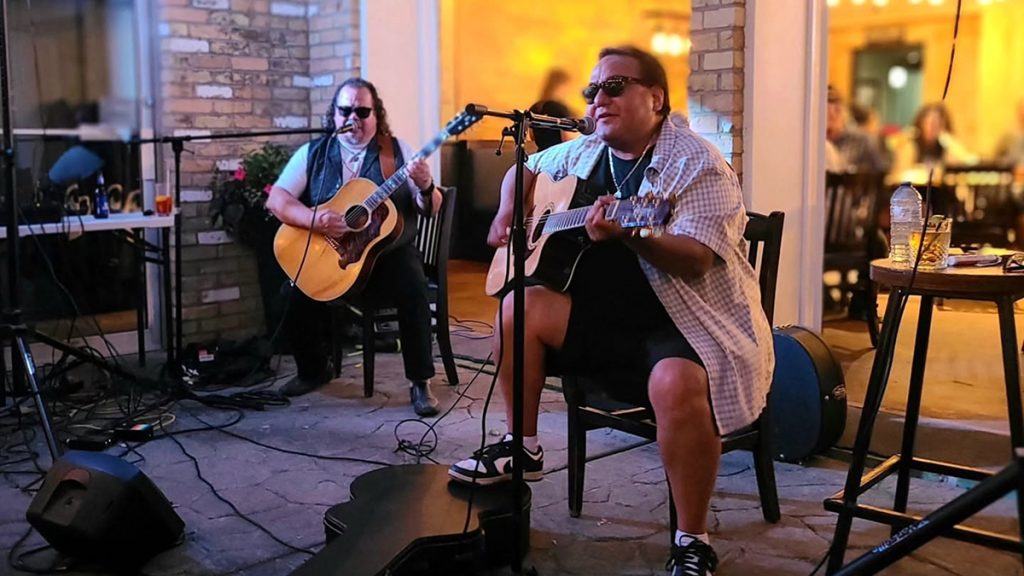
A Special Pre‑Festival Community Spotlight: Indigenous Artist Showcase
Running adjacent to the main weekend is the Indigenous Artist Showcase, a free pre‑festival event held Thursday night on the patio at The Bruce.
This showcase reflects the festival’s ongoing effort to broaden its storytelling and representation, giving space to Indigenous voices and musicians within the broader blues and roots ecosystem. By situating the event in the same venue that hosts the main‑stage concerts, organizers create continuity between the pre‑festival community night and the ticketed core program, encouraging attendees to experience both the intimate Thursday sets and the larger Friday–Saturday shows.
This kind of layered programming – weekday pre‑events, big weekend nights, and Sunday park‑based finales – is a model increasingly used by mid‑sized festivals to extend their economic and cultural footprint beyond a single packed weekend.
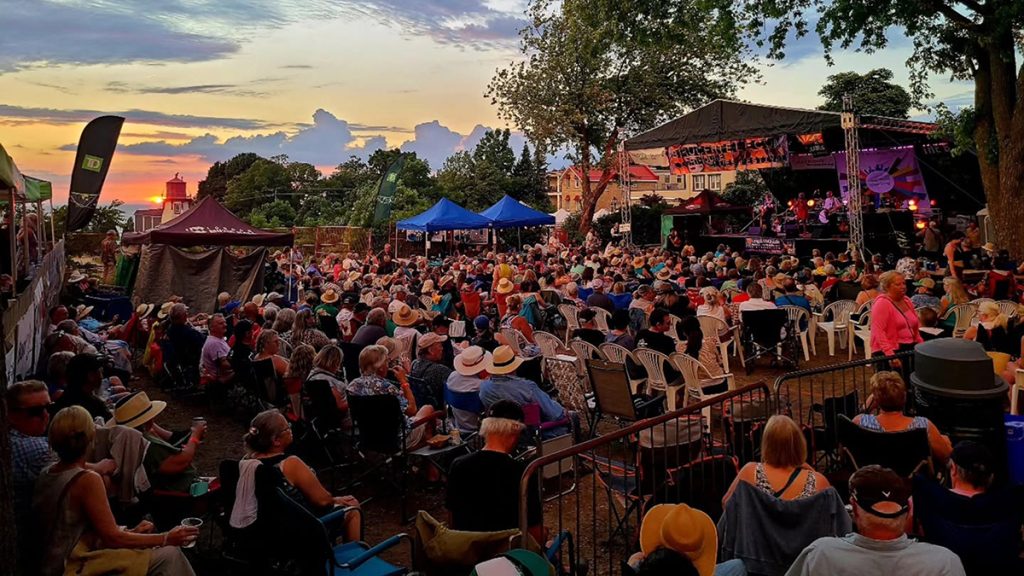
Where Live Music, Community, and Lake Huron Meet: That’s the Lighthouse Blues Festival
In the crowded landscape of Canadian summer festivals, the Bruce Telecom Lighthouse Blues Festival stands out precisely because it refuses to choose between scale and intimacy, spectacle and substance. By anchoring world‑class blues talent to a small‑town waterfront, weaving in Indigenous voices, nurturing local acts on side stages, and funneling tens of thousands of dollars back into community projects, Lighthouse Blues has quietly built something that feels less like a living cultural institution. For blues lovers, families, and festival‑goers alike, the Lighthouse Blues Festival is a reminder that the best festivals are the ones that feel like they belong to the place, and the people, that created them.
Looking for tickets to this year’s Lighthouse Blues Festival? Buy tickets here and get set up with either a Friday all-day pass, Saturday all-day pass, or weekend pass for all events.



