
A fan opens a laptop the moment tickets go on sale, waits ninety minutes in a virtual queue, and finally reaches checkout only to find the price has climbed past what they budgeted.
This is not a hypothetical. It happened to hundreds of thousands of Oasis fans in August 2024, when tickets advertised around $279 turned into $668.04. It also happened to Bruce Springsteen fans in 2022, when platinum seats that would normally run a few hundred dollars spiked past $5,000.
And this is happening, in smaller and less headline-grabbing ways more and more, at box offices for club shows, theater runs, and regional sporting events every single week.
This is dynamic pricing, aka the price of a ticket rising and falling depending on current demand.
Dynamic pricing has quietly become one of the most consequential and most controversial decisions a promoter can make, and understanding both sides of the argument is no longer optional for anyone selling tickets. This article breaks down what dynamic pricing actually is, how it evolved from an airline-industry tactic into the default setting for major concert tours, and why the pros that look so attractive on a revenue spreadsheet often collapse under the weight of fan backlash, regulatory scrutiny, and long-term brand damage.
Let’s be clear. We’re not going to pretend dynamic pricing has no upside for an event promoter. It clearly does, and plenty of promoters swear by it.
But after weighing the evidence, the case against it, at least in its current unregulated form, is difficult to ignore.
What Is Dynamic Pricing in Event Ticketing?
Dynamic pricing, sometimes called demand-based pricing or surge pricing, is a strategy where the cost of a ticket adjusts in real time based on supply and demand rather than staying fixed at a single face value.
Instead of an event promoter setting one price for a seat months before the show, an algorithm continuously recalculates the price using signals like how quickly tickets are selling, how many people are in the queue, how much time remains before the event, and what comparable seats are fetching on the resale market.
Dynamic pricing is a concept borrowed directly from the airline and hotel industries, where seat and room prices have fluctuated by the hour for decades. Ticketing platforms like Ticketmaster brand their version of this system “platinum” or “in-demand” pricing, and it now touches everything from arena concerts to regional theater and minor league sports.
The mechanics matter because they explain why fans so often feel blindsided. A dynamic pricing algorithm does not announce itself. It simply changes the number on the screen while a buyer is mid-transaction, which is precisely what triggered the United Kingdom’s Competition and Markets Authority investigation into the Oasis reunion tour sale.
Promoters are told the system will “let the market decide,” but fans experience it as a bait-and-switch, watching a price they budgeted for evaporate in real time. That gap between the promoter’s intent and the fan’s experience is where almost every controversy in this space originates.
Why Promoters Turned to Dynamic Pricing in the First Place
To evaluate the pros and cons fairly, it helps to understand why the industry adopted this model at all.
The San Francisco Giants were among the first professional sports franchises to experiment with algorithmic ticket pricing back in 2009, using a platform called Qcue that adjusted prices based on opponent quality, day of the week, weather, and pitching matchups.
Within a year, several other Major League Baseball clubs followed suit, and by the early 2010s, roughly fifteen NBA teams, nine NHL teams, and six MLB teams had adopted some form of demand-based pricing. The pitch to team owners and concert promoters was straightforward: why leave money on the table for a sold-out show when a scalper is about to capture that value instead?
That logic eventually reached the concert industry, where Ticketmaster began offering artists and promoters the option to apply dynamic pricing to a portion of their tour inventory.
Bruce Springsteen’s team adopted it for his 2023 tour specifically because, in his own words, he wanted pricing that reflected “what everybody else is doing” among his touring peers rather than tickets that sold well under market value.
Oasis’s camp says it approved dynamic pricing as a tool to suppress secondary-market scalping, not to gouge fans, though the band later distanced itself from how the rollout was executed. In both cases, the stated goal was the same: capture value that would otherwise flow to resellers, and let real-time demand data guide pricing decisions instead of guesswork.

The Pros of Dynamic Pricing for Event Promoters
Pro: Revenue optimization on high-demand events.
The clearest, most quantifiable benefit of dynamic pricing is additional revenue when demand outstrips supply. The San Francisco Giants saw ticket revenue rise roughly seven percent in the first season after adopting algorithmic pricing, a figure widely cited in sports business literature as the proof of concept that launched the entire industry trend. Some franchises have reported single-game revenue nearly doubling over a two-year period after refining their pricing models. For a promoter operating on thin margins in a market where venue costs, artist guarantees, and production expenses keep climbing, that kind of uplift is genuinely difficult to ignore.
Pro: A tool against scalpers and bots.
Promoters and ticketing platforms consistently frame dynamic pricing as a defense mechanism rather than a greed mechanism. The argument goes that if a $150 ticket is actually worth $400 on the resale market the moment it goes live, a scalper using bots will buy it at face value and pocket the $250 difference. Dynamic pricing is designed to let the primary seller, and by extension the artist and promoter, capture that markup instead of ceding it to a secondary market broker. This is the exact justification Oasis’s management gave for approving the system, saying the intent was to keep general pricing down while curbing rampant touting.
Pro: Smarter yield management for low-demand events.
Dynamic pricing is not only a tool for raising prices; it can lower them too. A weeknight show against a losing opponent, a mid-week theater performance, or an undercard act on a slow date can see prices drop algorithmically to stimulate sales that would otherwise never happen at a fixed rate. This flexibility lets promoters fill seats that would sit empty under a rigid, single-price model, which matters both for atmosphere and for ancillary revenue like concessions and merchandise.
Pro: Data-driven decisions instead of guesswork.
Traditional ticket pricing required promoters to set a number months in advance and hope it held up. Dynamic pricing systems ingest live signals such as queue length, weather forecasts, opposing team performance, and comparable resale prices, which gives promoters a far more sophisticated read on real-time demand than any pre-season pricing meeting ever could. For teams managing eighty-plus home games a season, that kind of granular, automated decision-making is difficult to replicate manually.
The Cons of Dynamic Pricing for Event Promoters and Fans
Con: Severe price shocks damage the fan relationship.
The single biggest problem with dynamic pricing is also the most visible one: it can produce prices so far removed from a fan’s expectations that the experience feels like a scam rather than a market mechanism. Oasis fans who expected to pay roughly $250-$300 for standing tickets instead found themselves quoted more than double that figure after enduring hours-long virtual queues, a jump that Al Jazeera and multiple UK outlets reported left fans feeling that the “reunion of a lifetime” had become an exercise in financial extraction. When the gap between advertised and actual price is that dramatic, the resentment does not stay contained to the transaction; it attaches itself to the artist, the promoter, and the venue.
Con: It erodes trust and, eventually, brand loyalty.
Reputational damage from dynamic pricing tends to outlast the controversy that caused it. After the 2022 Springsteen pricing fiasco, the influential fan site Backstreets, a publication that had chronicled the band’s career for decades, shut down entirely, citing an inability to keep celebrating an artist whose fans were being priced out of his own shows. The Cure’s Robert Smith publicly called the practice “a greedy scam” back in 2023 and later pressured Ticketmaster into refunding fans for what he considered excessive fees on his own tour. Trust, once broken by a pricing surprise, is expensive to rebuild, and promoters who rely on repeat attendance from a loyal fanbase are the ones with the most to lose.
Con: The revenue upside is not guaranteed.
One of the more inconvenient findings for dynamic pricing advocates comes from academic research rather than fan outrage. A study presented at the MIT Sloan Sports Analytics Conference modeled actual dynamic pricing data from an anonymous MLB franchise and found that the real-world algorithm the team used produced a revenue decrease of 0.78 percent compared to a simple fixed-pricing strategy over the same season. In other words, a poorly tuned or overly aggressive dynamic pricing model can cost a promoter money rather than make it, undermining the central promise that justified adopting the system in the first place.
Con: Fees compound the problem and fuel abandoned carts.
Dynamic pricing rarely operates in isolation; it typically sits on top of service charges, facility fees, and processing costs that were already frustrating buyers before demand-based pricing entered the picture. Consumer Reports has noted that so-called drip pricing tactics, where fees are hidden until the final step of checkout, can inflate the advertised price of a ticket by as much as thirty percent. Industry surveys have found that a majority of would-be buyers abandon their shopping cart entirely once they see the true, fee-inclusive total, which means a promoter chasing incremental revenue through dynamic pricing may simultaneously be losing sales to sticker shock at checkout.

Dynamic Pricing Comes With Mounting Legal and Regulatory Exposure
It also must be stated, whenever the topic of dynamic pricing presents, is the legal and regulatory issues at play.
The UK’s Competition and Markets Authority formally warned Ticketmaster in early 2025 that it may have breached consumer protection law during the Oasis sale, specifically citing a failure to give fans clear and timely information about how standing-ticket pricing would work, and noting that some “platinum” tickets were sold for nearly two and a half times the price of standard seats.
Under the UK’s Digital Markets, Competition and Consumers Act, regulators can now fine companies up to ten percent of global turnover for this kind of violation without even taking the case to court.
In the United States, the stakes escalated even further: in April 2026, a federal jury in the Southern District of New York found Live Nation and Ticketmaster liable on every antitrust count brought by a coalition of thirty-four state attorneys general, ruling that the companies had illegally monopolized primary ticketing and concert promotion and awarding damages of $1.72 for every primary ticket sold under the anticompetitive conduct at issue.
That verdict followed a separate March 2026 settlement with the Department of Justice that had already required Live Nation to cap amphitheater fees, divest at least thirteen venues, and open its platform to competitors like SeatGeek and Eventbrite.
Layer on top of that the Federal Trade Commission’s Junk Fees Rule, in effect since May 2025, which mandates upfront total-price disclosure and carries penalties north of $51,000 per violation, and it becomes clear that regulators on both sides of the Atlantic now view opaque, demand-based pricing as a genuine legal risk rather than a clever pricing tactic.

How Has Canada Responded to the Dynamic Pricing Debate and Regulatory Challenges
Canada’s reckoning with dynamic pricing has arguably the country’s biggest homegrown star was at the center of it.
In 2023, a Montreal man filed a class-action lawsuit against Ticketmaster after paying $789.54 each for two “Official Platinum” seats to a Drake show at the Bell Centre, only to watch Ticketmaster price the same seats hundreds of dollars lower the next day once a second Montreal date was announced. The suit alleged Ticketmaster knew a second show was coming when it sold the first batch of tickets but concealed that information to squeeze more money out of eager fans.
It wasn’t Drake’s first brush with the issue, either. Back in 2019, his OVO Festival became a flashpoint for dynamic pricing when lawn tickets at Toronto’s Budweiser Stage were reported going for $500 and seats for as much as $2,500, landing just weeks after Ticketmaster had been fined for a related pricing practice.

A Competition Bureau spokesperson has confirmed dynamic pricing is legally acceptable in Canada, though it can become a problem if it produces anti-competitive outcomes. What the Bureau has gone after instead is drip pricing – this is advertising a price consumers can never actually pay.
In 2018, the Competition Bureau sued Ticketmaster and Live Nation for allegedly deceptive pricing, arguing that mandatory fees added late in checkout could inflate the advertised price by 20 to 65 percent. That investigation ended with Ticketmaster paying a $4 million penalty plus $500,000 in Bureau costs.
Ottawa then moved to close the loophole nationwide. The 2022 amendments to the Competition Act made it explicit that advertising a price consumers can’t actually attain because of mandatory non-government fees counts as a false or misleading representation.
The provision has teeth: in a case brought under the amended law, Cineplex was ordered to pay $38.5 million for a booking fee that only appeared after customers had already selected their tickets.
Ticketmaster is back in the Bureau’s sights again, too. The Competition Bureau examined dynamic pricing and related digital marketplace practices earlier this year in 2026, though a full-scale prosecution comparable to the UK’s CMA action or the US DOJ case has yet to materialize.
Provincial rules add another layer, and they vary sharply.
Ontario’s framework traces back to the 2016 backlash over scalped Tragically Hip tickets during Gord Downie’s farewell tour. After consulting nearly 35,000 people, the province introduced the Ticket Sales Act, requiring sellers to disclose full prices upfront and banning bot software.
A resale price cap included in that original law was paused almost immediately by the incoming Ford government amid concerns it was unenforceable, but Ontario revived and toughened the idea in 2026: as of April 23, 2026, tickets in Ontario can no longer be resold above their total original cost, including fees and taxes, with enforcement timed ahead of the FIFA World Cup in Toronto.
Fines for violating the cap currently range from $3,000 to $250,000.
British Columbia has followed a lighter-touch, disclosure-first model: its Ticket Sales Act requires platforms to display the total ticket price and itemized fees, though enforcement remains a challenge with cross-border resale sites.
Quebec has gone furthest on resale, prohibiting resale above the producer-authorized price with only limited exceptions, and its December 2025 Bill 10 adds new disclosure duties for resale platforms — but notably, the bill is silent on dynamic pricing itself, even as regulators globally, including Canada’s own Competition Bureau, have subjected the practice to growing scrutiny.
The gap Quebec left open reflects a broader pattern: Canada has been far more willing to legislate against opaque fees and resale markups than against dynamic pricing as a concept.
A related fight is now spilling into retail generally. Manitoba recently moved to ban algorithmic pricing outright, and other provinces are weighing similar rules, though a federal NDP motion for a nationwide ban has failed to gain support. Experts caution that “surveillance pricing,” where a price is personalized to an individual shopper, is distinct from ordinary dynamic pricing and remains difficult to prove in Canada, even as politicians increasingly conflate the two.
What’s missing so far in this entire conversation is a Canadian equivalent of the UK’s Competition and Markets Authority finding or the US jury verdict against Live Nation. Live Nation and Ticketmaster hold a dominant share of Canada’s live events market much as they do in the US, and industry observers are now watching to see whether April 2026’s US antitrust verdict prompts a parallel case north of the border.
For now, Canadian promoters face a patchwork rather than a single clear standard: dynamic pricing is permitted, drip pricing is not, resale caps exist in some provinces but not others, and the country’s most consequential enforcement to date has come from provoked, high-profile controversies.

Dynamic Pricing vs. Fair-Value Pricing: What Should Promoters Choose?
Framed purely as a business decision, dynamic pricing and fixed, fair-value pricing represent two different bets.
- Dynamic pricing bets that short-term revenue capture on the hottest shows outweighs the long-term cost of fan frustration, regulatory risk, and reputational damage.
- Fixed pricing bets that predictability, trust, and a fanbase that feels respected will pay off over a longer relationship with the artist or venue, even if it means leaving some short-term revenue on the table for a scalper to capture instead.
Neither bet is free of trade-offs, and reasonable promoters land on different sides of that calculation depending on the artist, the market, and the venue’s relationship with its audience.
What has changed is the size of the downside if a promoter guesses wrong.
A decade ago, a fan pricing complaint might generate a few angry social media posts. Today, that same complaint can trigger a formal government investigation, feed into a class-action lawsuit, or become Exhibit A in a state attorney general’s antitrust case
Promoters who still want the yield-management benefits of demand-based pricing increasingly favor a hybrid approach: transparent, pre-disclosed price tiers rather than real-time algorithmic surges, all-in pricing that shows the total cost before checkout, and clear communication to fans about exactly how many tickets exist at each price point before the sale begins.
This does not eliminate the fundamental tension, but it addresses the specific failure that regulators, have consistently flagged: not the existence of tiered pricing, but the lack of honesty about it.
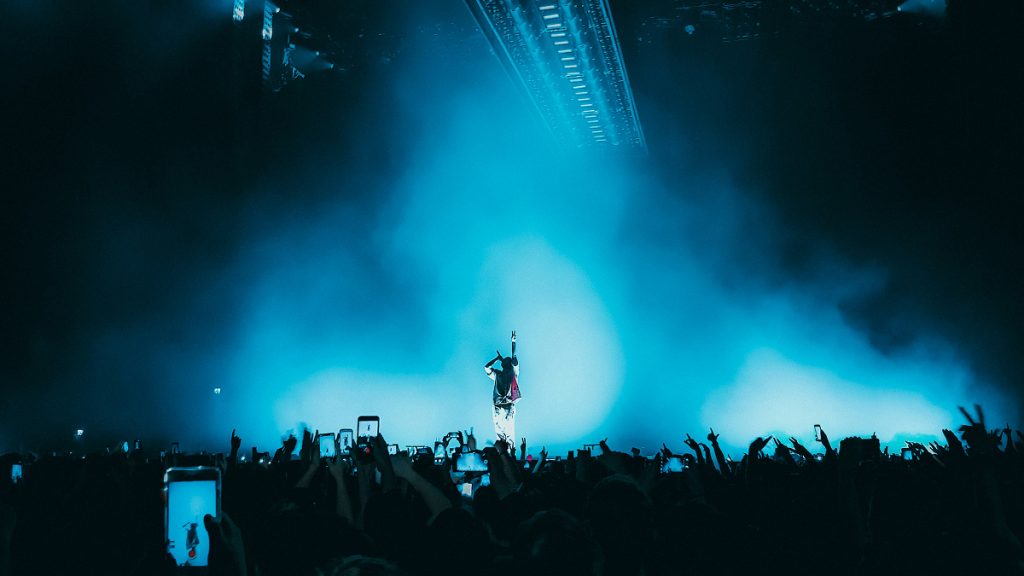
Why Dynamic Pricing Ultimately Hurts the Fan Experience and Your Event
Dynamic pricing, as it is currently deployed across most of the live events industry, is bad for fans and bad for the long-term health of the businesses that rely on them.
It works by exploiting the exact moment a fan is most emotionally invested and least able to walk away, mid-queue, tickets nearly in hand, and using that leverage to extract a price the fan never agreed to when they decided to attend.
Calling that “letting the market decide” obscures what is actually happening: a for-profit ticketing platform using a fan’s excitement and sunk time as pricing inputs.
The scalping-prevention argument, the most sympathetic case for dynamic pricing, also does not hold up as well as its proponents suggest. The UK regulator’s own investigation into Oasis found that what fans experienced as “dynamic” pricing was, in significant part, simply a tiered release strategy executed without adequate disclosure, meaning the harm came from opacity rather than genuine real-time demand response.
Even when the pricing genuinely is algorithmic, the primary beneficiary is rarely the fan; it is the platform and, to a lesser extent, the promoter, while the fan simply pays a price closer to what a scalper would have charged anyway, just to a different party. A ticket that costs more because a fan waited in a queue is not a fairer ticket. It is the same artificial scarcity being monetized by a new intermediary.
For event promoters weighing whether to flip the switch on demand-based pricing, the more durable, defensible strategy is the one that treats fans as long-term partners rather than data points in a real-time surge algorithm: transparent pricing, disclosed tiers, and a ticket price that means what it says the moment a fan sees it.