Most pro wrestling fans have, at one point or another, watched WWE Monday Night Raw. They have seen the pyro hit on cue, the entrance ramp lighting sync with the theme song, and the announce team fill every dead second with commentary.
Let’s say this is you. Then a coworker or a cousin invites you to a Friday night indie wrestling show twenty minutes from your house, tickets are twenty dollars cash at the door, and you realize you have absolutely no idea what you are walking into.
That gap between the polished television product you know and the raw, in-your-lap experience of a local independent wrestling show is exactly what trips up first-time attendees, and it is also exactly why the experience is worth having.
The independent wrestling scene is far bigger and more legitimate than casual fans usually assume. Every year, there are more than 11,000 independent pro wrestling events worldwide from over 400 different promotions, which tells you this is not a fringe hobby scene but a genuine, ongoing ecosystem with its own economy, stars, and traditions.
Several of those promotions, including Game Changer Wrestling, Maple Leaf Pro Wrestling, and others, have even become official scouting partners in WWE’s newer independent development pipeline, meaning the wrestler you see in a folding-chair-filled union hall this weekend could be on your television within a year or two.
This guide breaks down the fifteen things a first-timer genuinely needs to know before buying a ticket, walking through the door, and figuring out where to sit, what to bring, and how to behave once the bell rings.
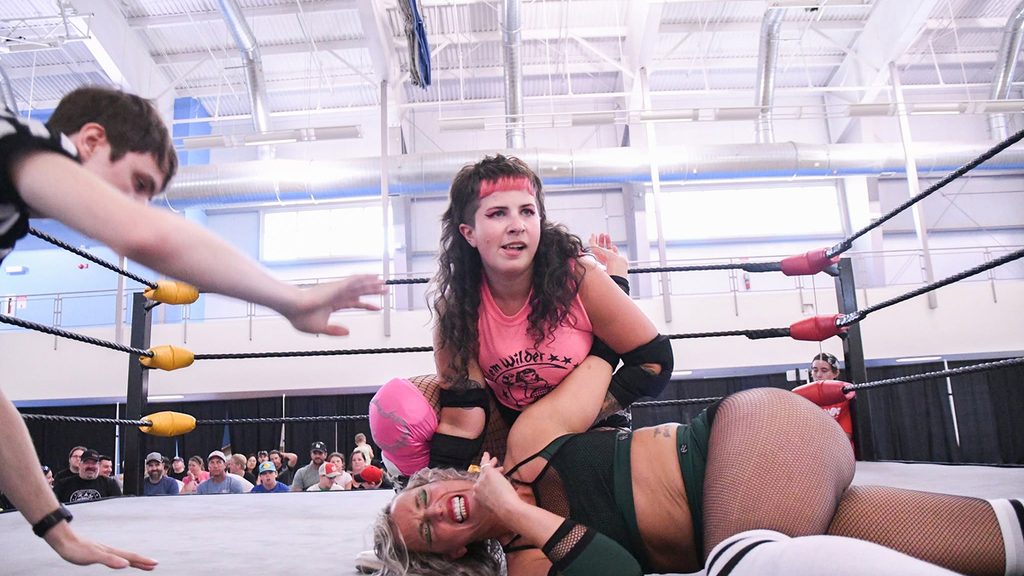
1. Independent Wrestling Is Its Own Art Form, Not a Lesser Version of WWE
Television wrestling is built around commercial breaks, multi-camera close-ups, and storylines designed to stretch across months of episodic programming on a national network.
Independent wrestling is built around a single live room, a self-contained night of storytelling, and a physical proximity to the crowd that television simply cannot replicate. The show is constructed live, in real time, around the specific energy of the people in that building, which means no two indie crowds ever see quite the same performance, even when the same two wrestlers work the same match on back-to-back nights in different cities.
Many performers you already recognize from AEW, WWE, or NJPW built their entire foundation on rooms exactly like the one you are about to walk into. Wrestlers such as Kenny Omega, Bryan Danielson, and MJF spent years on the independent circuit before ever appearing on national television, and WWE’s current ID scouting initiative pulls directly from promotions like Border City Wrestling and Future Stars of Wrestling for that same reason.
Walking into a local show is less like watching a diluted version of the big leagues and more like catching a band at a two-hundred-capacity club before they sell out arenas.
2. Buy Tickets Directly From the Promotion Whenever Possible
Local independent wrestling tickets typically run somewhere between fifteen and forty dollars for general admission, with VIP or front-row packages sometimes climbing toward fifty to a hundred dollars when they include a merch bundle or a guaranteed photo op.
Buying directly through the promotion’s own website or the ticket link posted on its social media page keeps the transaction simple and avoids the markup that resale marketplaces routinely tack onto live event tickets, and it also ensures more of your money actually reaches the promoter and performers rather than a third-party platform’s processing fee.
Many smaller promotions still sell tickets exclusively at the door on a cash-only, first-come-first-served basis, with no assigned seating whatsoever.
Because indie shows are often held in rented spaces booked month to month, it is worth checking the promotion’s Instagram, X, or Facebook event page the day before in case the venue, doors time, or bell time has shifted, since last-minute logistical changes are far more common on the independent circuit than they are for a televised WWE or AEW taping.
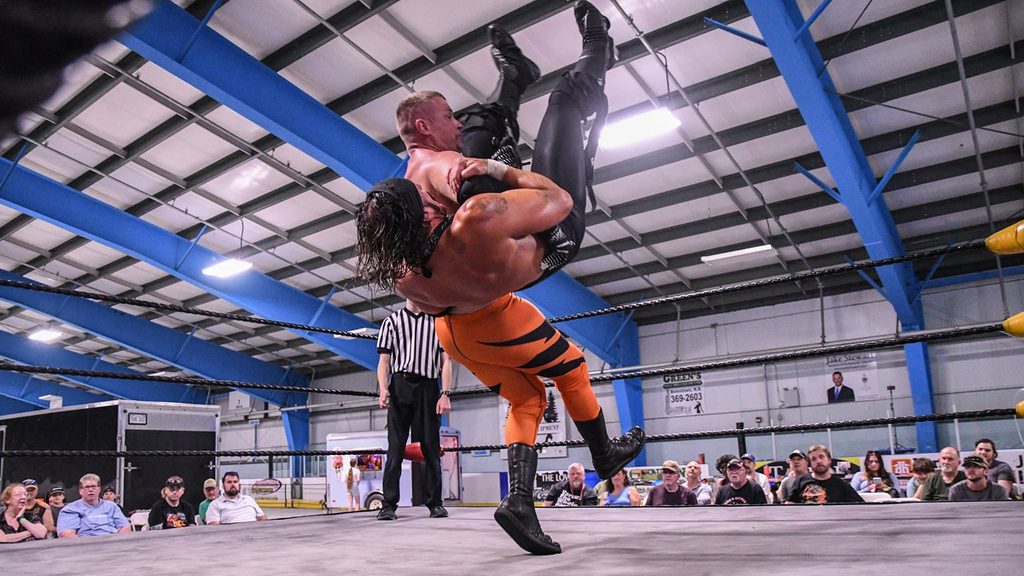
3. Expect a More Intimate Venue, Not an Arena
Independent wrestling happens in VFW halls, Elks lodges, National Guard armories, roller rinks, breweries, bowling alley banquet rooms, and the occasional repurposed church basement.
Typical capacity ranges from roughly one hundred to five hundred people, a dramatic contrast to the fifteen-thousand-seat arenas you associate with a televised pay-per-view. In many of these rooms, the ring sits close enough to the first row that you could reach out and touch the ring apron without leaving your seat, which is a very different sensory experience than watching from the upper deck of a sports arena.
There is no jumbotron, no elaborate rigged lighting truss, and often just a single portable sound system running the entrance music.
That closeness is the entire appeal, not a limitation to apologize for. You will hear the actual impact of a body hitting the mat, catch trash talk between wrestlers that never makes the highlight reel, and watch facial expressions during a big selling moment that a wide television shot would completely miss.
4. Arrive Early Because Seating Is First-Come, First-Served
Because most independent shows use general admission seating with folding chairs rather than assigned tickets, arriving early is the single easiest way to guarantee a good sightline.
Doors typically open thirty to sixty minutes before the advertised bell time, and a line often forms outside well before that, especially for a promotion running a hot card or a well-known touring talent. Getting there when doors open, rather than right as the first match starts, is the difference between a front-row seat and standing in the back behind a support pole.
Many promotions also run an informal pre-show meet-and-greet at the merchandise table during that same window, before the card starts and before wrestlers are gassed from performing.
This is genuinely the best time to grab a photo or a quick conversation, since talent tends to be far more relaxed and available before bell time than immediately after wrestling a physically demanding match. Parking is also worth planning around, since smaller venues frequently have limited lots shared by fans, staff, and the wrestlers themselves.
5. Cash Is Still King at the Merch Table and the Door
A large share of the independent wrestling economy still runs on cash.
Small venues frequently lack the infrastructure for mobile ticketing and card readers, and even when a wrestler or promotion does accept Venmo or Cash App for a product, a spotty cell signal inside an old union hall or armory can make that option unreliable in the moment.
It is smart to bring somewhere between sixty and one hundred dollars in cash to cover the door fee, concessions, merchandise, and the 50/50 raffle that many independent promotions run at intermission as a direct fundraising tool for the company.
Do not assume there will be a nearby ATM, either. Plenty of indie wrestling venues sit in industrial parks, residential side streets, or standalone lodges with no other retail nearby, so plan your cash needs before you leave the house rather than counting on finding a bank machine once you arrive.
6. Buying Merch Directly Puts Money in the Wrestlers’ Pockets
Pay structures across the independent scene vary enormously and depend heavily on experience level, card position, and how well-established the promotion is, but for a wrestler a few years into their career working a regional weekend loop, the per-date payoff is frequently modest.
For a substantial number of independent performers, merchandise sales at the table after the show represent a bigger and more dependable slice of their income than the flat rate for the match itself. This reframes a T-shirt or an autographed photo purchase from a simple souvenir into something closer to direct patronage, similar to buying a band’s merchandise at a small club show rather than an arena tour.
If you enjoyed a particular wrestler’s performance and want to support them in a way that actually reaches them financially, the merch table is where that support lands most directly.
7. Don’t Touch the Wrestlers
This is the single most important rule of independent wrestling etiquette, and it is worth repeating on its own: keep your hands off the performers.
Because so many indie venues put the crowd right up against the ring with minimal or no barricade, wrestlers frequently brawl into the seating area, lean against the guardrail during a promo, or launch themselves toward the crowd during a dive. It can feel like an invitation to reach out, but doing so is both dangerous and disrespectful.
Wrestlers rely on precise footing, timing, and spatial awareness to execute moves safely, and an unexpected grab from a fan can throw off a spot in a way that genuinely injures someone, performer or fan alike.
It also breaks the professional boundary of the performance itself, since these are trained athletes doing a physically demanding job, not props for audience participation. If a wrestler wants fan contact, such as a high-five on the way to the ring, they will initiate it; your job is to enjoy the show, not to insert yourself into it.
8. Kayfabe Still Matters, Even Though Everyone Knows It’s a Work
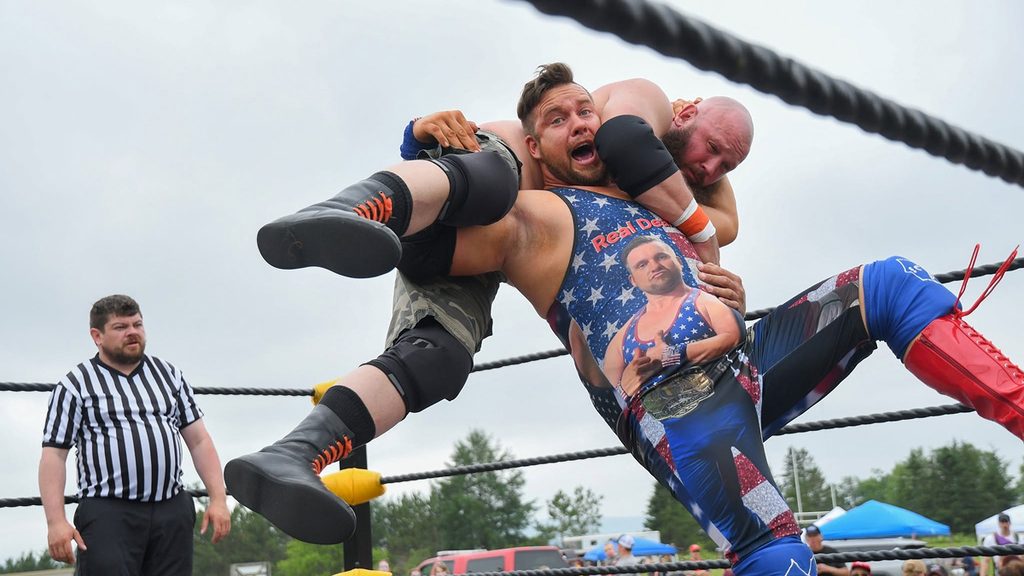
“Kayfabe” is the wrestling industry’s long-standing term for maintaining the internal fiction that staged rivalries, characters, and outcomes are real, even though every fan in the building knows the matches are predetermined and choreographed.
At an independent show, kayfabe is part of the fun rather than a deception you are meant to fall for. Booing the heel (the designated bad guy) and cheering the face (the designated good guy) in the moment is simply how the room participates in the storytelling, even for fans who could recite the entire industry’s inner workings from memory.
At the same time, it is worth remembering that the athleticism underneath the storyline is completely real.
These are trained performers executing legitimately dangerous moves, often without the cushioned landing zones or medical staff depth that a major national promotion can afford, which is part of why the physical boundaries described earlier in this guide matter so much.
9. Chants Are Part of the Show — Join In
Independent wrestling crowds are famous for organic, call-and-response chanting that genuinely shapes how a match unfolds.
You will likely hear “this is wrestling” during an especially well-executed sequence, “one more time” as a request for a wrestler to repeat a crowd-pleasing move, or “you deserve it” directed at a veteran performer during an emotional moment. These are not scripted cues from a production truck; they emerge spontaneously from the room and are one of the defining features of the indie experience.
Because indie wrestlers can hear and see the crowd so clearly in a room this size, audience energy actually influences pacing and even in-match decisions in a way that simply is not possible in a fifteen-thousand-seat arena.
Joining in on a chant, rather than sitting silently, is not just acceptable etiquette at an independent show, it is genuinely part of how the performance comes together.
10. Where You Sit Changes What You Experience, and the Risk
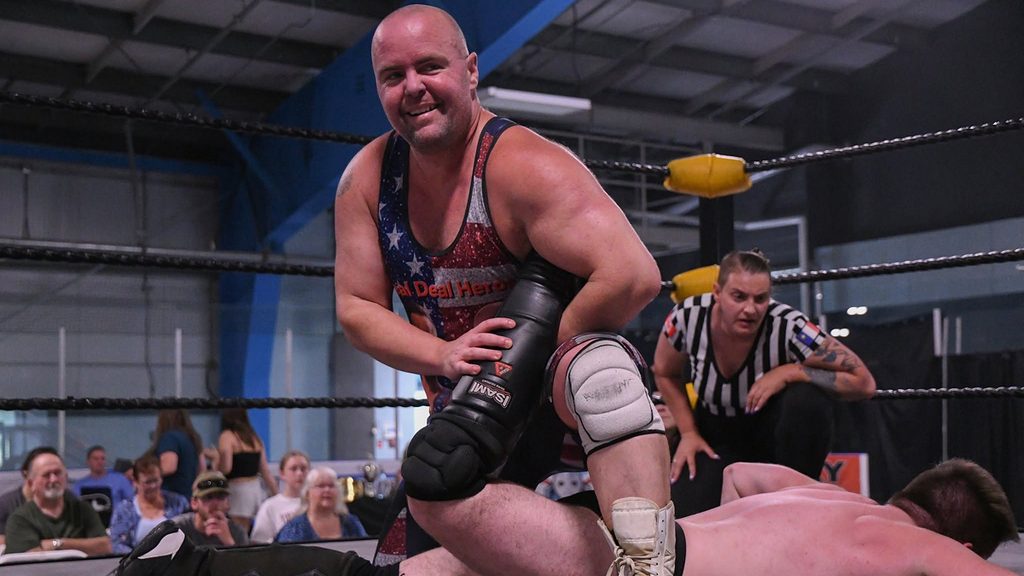
Sitting close to the ring at an independent show means you are more likely to end up genuinely inside the action.
Brawls frequently spill into the front rows, tables sometimes get broken a few feet from ringside seating, and a wrestler occasionally crashes directly into a section of folding chairs as part of a planned spot. This proximity is thrilling, but it also comes with real physical risk that a nosebleed section at an arena show simply does not carry.
Keep bags, drinks, and phones off the floor near the ring apron, and if an usher or a member of the ring crew asks you to move or clear a path, do it immediately and without argument.
Security at most independent shows is handled by trained volunteers or venue staff rather than professional event security, so cooperating quickly when asked keeps everyone, including you, safer during an unplanned crowd-brawl spot.
11. Deathmatch and Hardcore Wrestling Are a Distinct Subgenre
Not every independent wrestling show looks the same, and one important distinction to understand before buying a ticket is the difference between standard independent wrestling and deathmatch or hardcore wrestling.
Certain promotions and specific event cards, some historically associated with names like GCW’s hardcore-branded shows or CZW’s Tournament of Death, incorporate glass panes, fluorescent light tubes, thumbtacks, and barbed wire as legitimate weapons, resulting in visible blood and injury as part of the performance.
This style represents a specific niche within the broader indie scene rather than the default independent wrestling experience, and most local shows you will attend feature standard, weapon-free competition.
If you are wrestling-curious but sensitive to graphic content, or bringing children to their first show, check the promotion’s event graphic or ticket description ahead of time, since deathmatch cards are almost always clearly labeled given how different the viewing experience is from a standard card.
12. Respect the Volunteers Running the Show
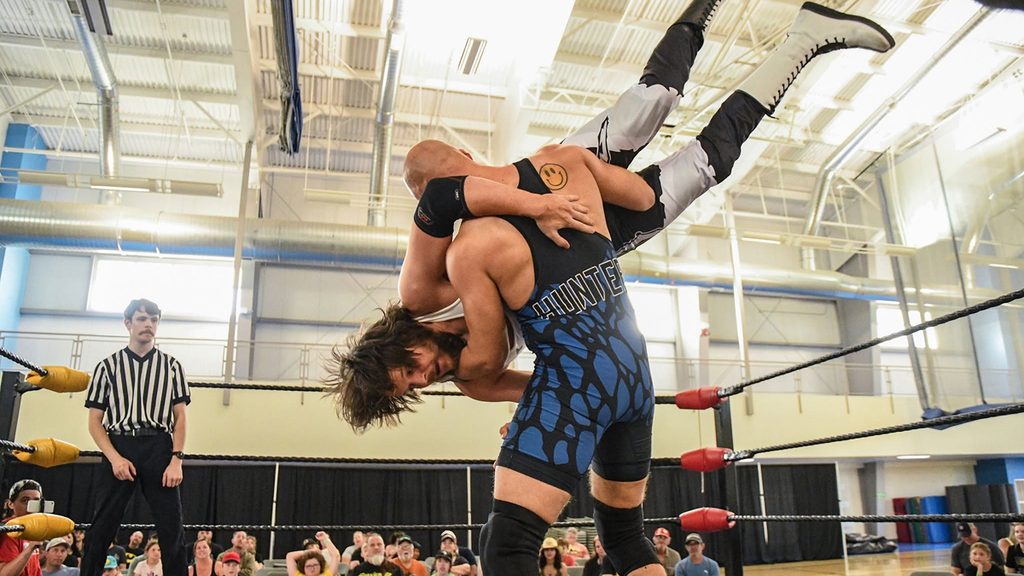
Behind every independent wrestling show is a small, often unpaid or minimally compensated crew handling the ring setup, teardown, timekeeping, and merchandise logistics.
Setting up a wrestling ring is physically demanding work that frequently happens the same day as the event, and the people doing it are usually local volunteers deeply invested in growing the promotion rather than paid arena staff.
Tip jars near the door or the merch table sometimes go directly toward venue rental costs or a wrestler’s travel fund for the night, and a little generosity there goes a long way in a scene this grassroots.
Treating ushers, ring crew, and merch table volunteers with the same courtesy you would show the wrestlers themselves reflects the genuinely community-driven nature of independent wrestling, where the line between fan and contributor is often thinner than you would expect.
13. Come Prepared for a Long, Un-Climate-Controlled Night
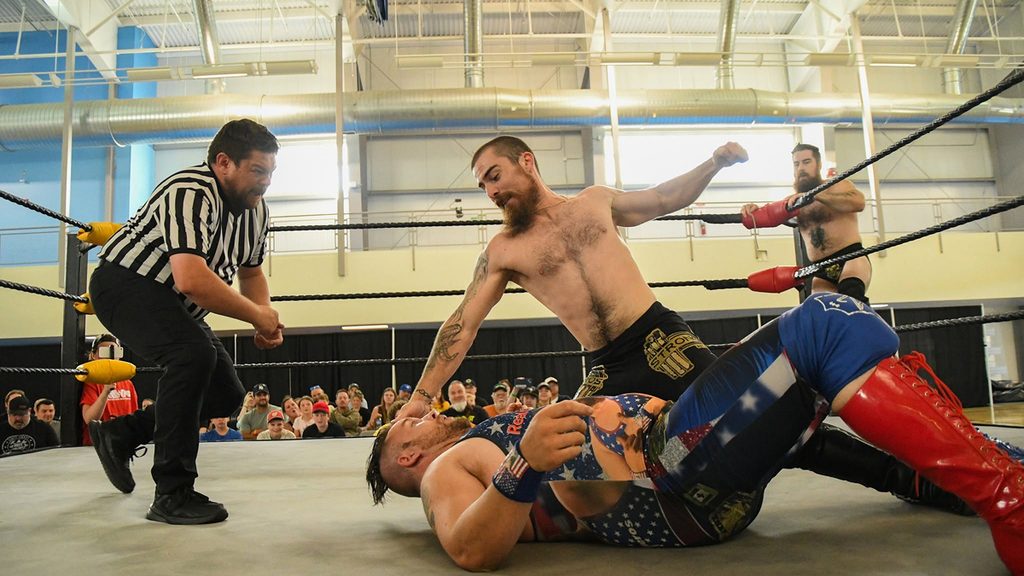
A typical independent wrestling card runs somewhere between six and nine matches over roughly two and a half to three hours, including a built-in intermission that’s often when the 50/50 raffle and merch rush happen.
That’s a longer sit than most people expect walking in thinking of wrestling as a quick, TV-length segment, so pacing your food and bathroom breaks around intermission rather than mid-match is the smart move.
Comfort is also worth planning for, since community centres and halls, armories, and repurposed banquet rooms don’t always have arena-grade heating or air conditioning. A packed room of a few hundred people generates real heat fast, even in a cold-weather building in January, so dressing in layers you can shed rather than committing to one outfit for the whole night will make a three-hour show a lot more comfortable.
14. Stick Around After the Show
Unlike WWE’s typically paid, tightly scheduled meet-and-greet packages, most independent wrestling shows end with performers walking straight from the ring to the merch table to sign autographs and take photos, often included with a merchandise purchase or simply offered for free to anyone who asks politely.
This casual, unstructured access is one of the most rewarding parts of attending an indie show for the first time, particularly for younger fans or anyone hoping for a genuine conversation rather than a rushed photo-line interaction.
Be mindful of the etiquette covered earlier in this guide: wait your turn, keep the interaction brief if a line has formed behind you, and remember that a friendly request for a photo is always welcome while grabbing or touching a wrestler is not.
Most performers on the independent circuit genuinely appreciate fans who take the time to say something specific about a match they enjoyed rather than a generic compliment.
15. Follow the Scene Beyond One Night to Get the Full Experience
Independent wrestling rewards continuity in a way a single televised pay-per-view never asks of you.
Following your local promotion’s social media to track ongoing storylines, watch shows in cities you cannot travel to, and see how a wrestler you liked at your first show develops over the following months.
Becoming a recognizable regular at a local promotion often unlocks a deeper layer of the community, from presale ticket codes to casual conversations with talent before the show, and it mirrors the appeal of following a minor league team before its best prospects get called up.
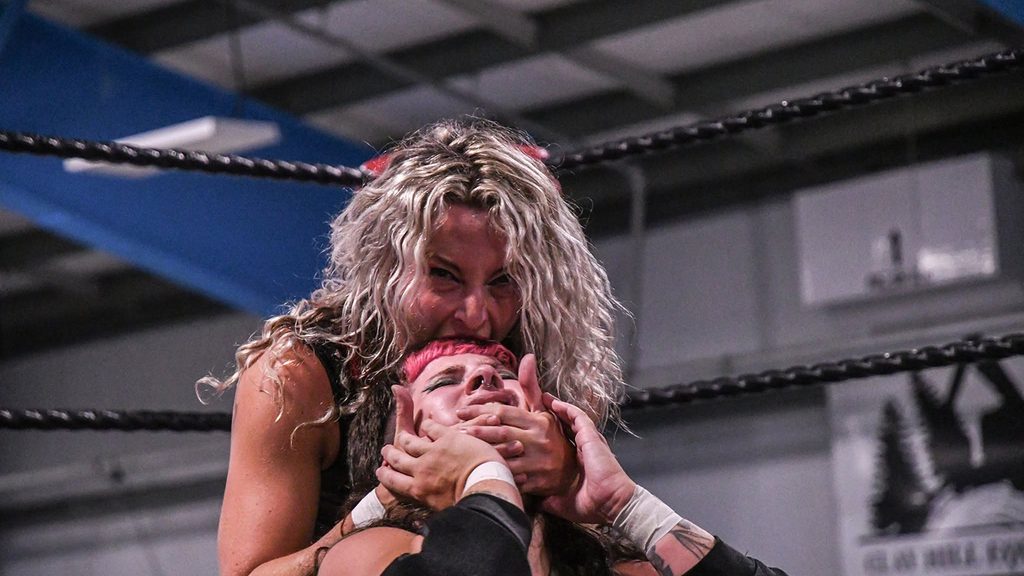
Welcome to the Very Wild World of the Performance Art of Professional Wrestling
Attending your first independent wrestling show asks you to trade the polish of a national broadcast for something television cannot replicate: proximity, spontaneity, and a direct connection to the people performing in front of you.
The rules are different because the room is different, from cash-only merch tables to general admission seating to the simple, essential boundary of keeping your hands to yourself once the action gets close. None of that makes the experience lesser than what you see on Monday nights; it makes it a distinct and, for many fans, more personally rewarding way to engage with a sport and art form built on live reaction in the first place.
Walk in early, bring cash, learn a chant or two, buy a shirt directly from the wrestler who earned it, and resist the urge to reach into the ring no matter how close the action gets. Do that, and your first independent wrestling show will very likely not be your last.
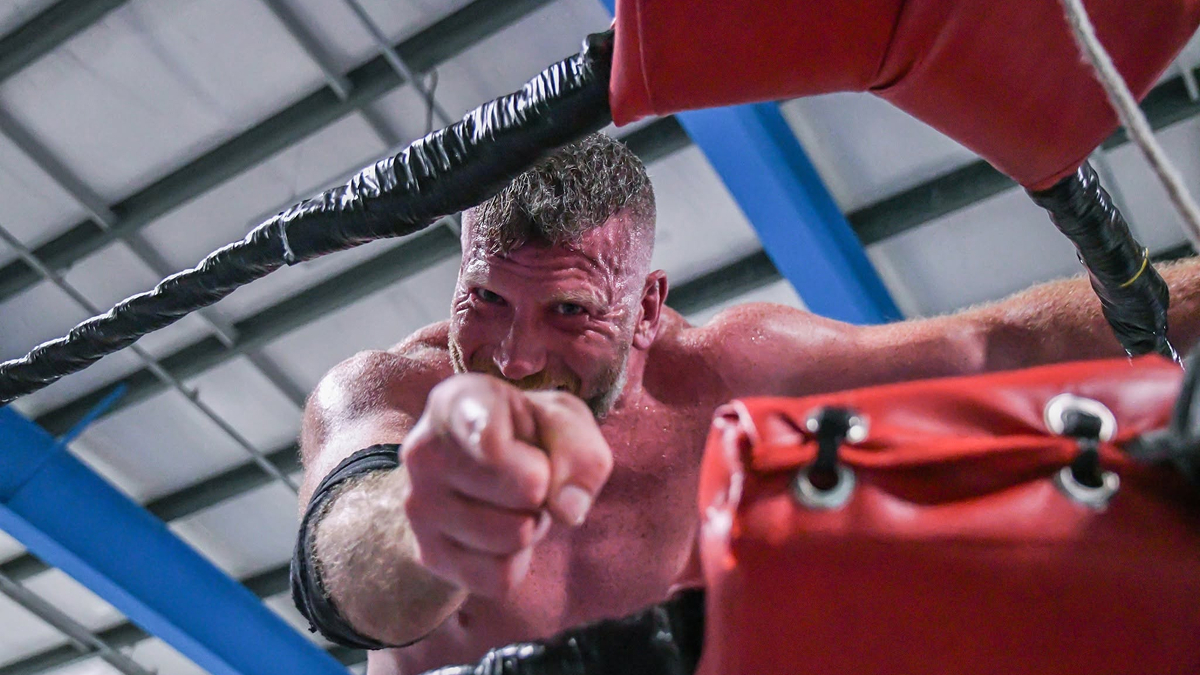
*A big thank you to Lutte Prestige Wrestling and Capital City Wrestling for the images used in this article. Over the past 4 years, these organizations have run more than 102 shows and are considered among Canada’s top pro wrestling organizations, both based in New Brunswick.