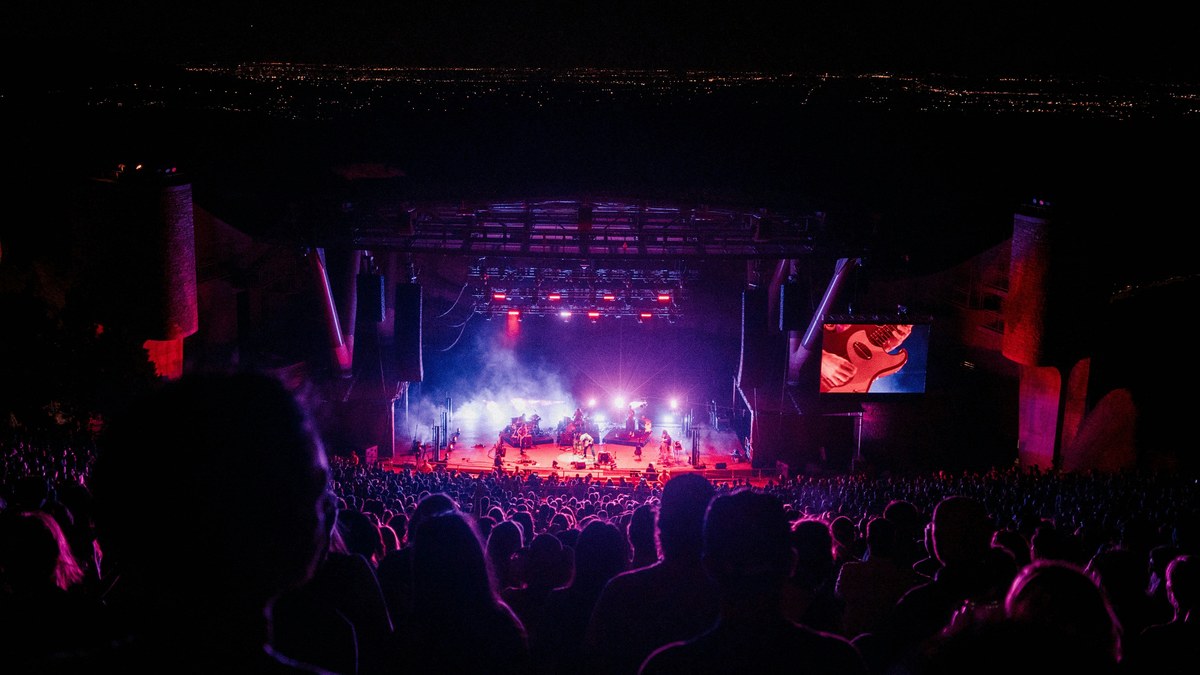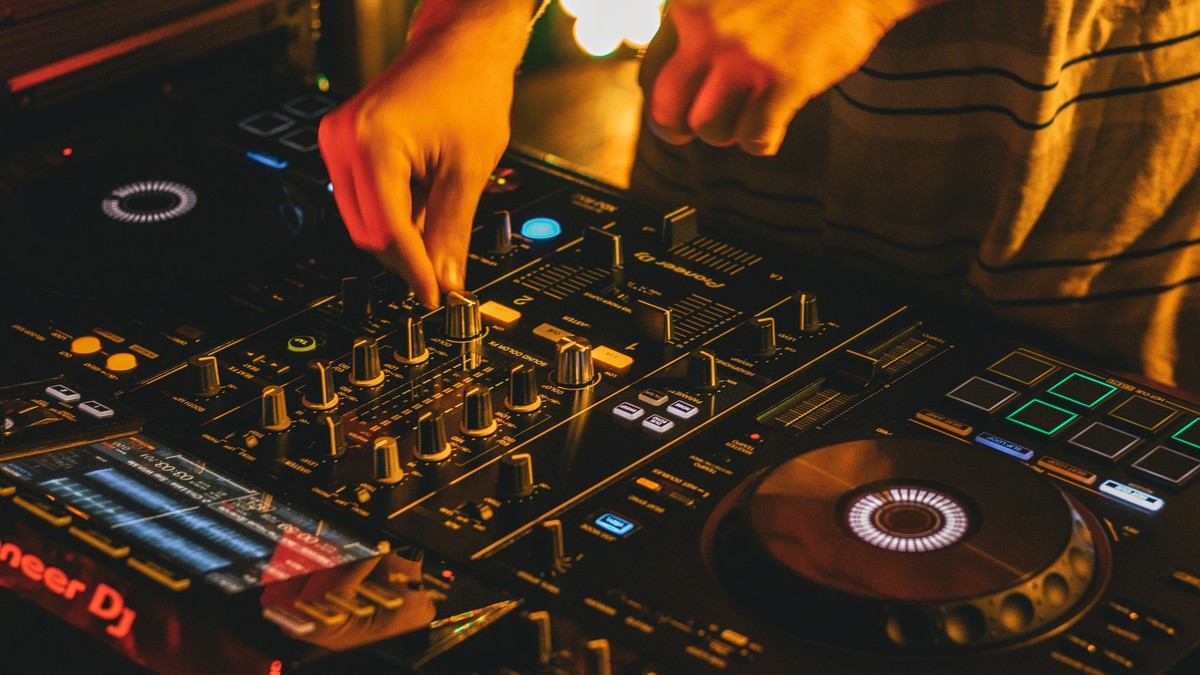
Somewhere around one in the morning, a bass drop rolls across a field and tens of thousands of people throw their hands up at the same instant. That moment is what first-timers are really buying when they check out. It is also why festivals sell out in minutes.
Ultra Miami‘s 2026 edition welcomed 165,000 fans from 100 countries to Bayfront Park, and EDC Las Vegas‘s 2026 general admission and VIP passes sold out in record time. The scene is bigger and more organized than it has ever been.
That scale can be intimidating when you have never been. You face tiered pricing, virtual waiting rooms, bag policies, shuttle schedules, and a culture with its own rituals and vocabulary.
This guide walks you through all of it in the order you will meet it: choosing a festival, paying for it, planning the trip, surviving the weekend, and taking care of yourself while you enjoy it.
What Is an EDM Festival, and What Will You Actually Hear?
An EDM festival is a multi-day, multi-stage event built around electronic dance music, with DJs and live electronic acts performing sets from the afternoon or evening until late at night or sunrise. “EDM” is an umbrella term, and the biggest surprise for newcomers is how different the stages sound from one another.
A single festival might put melodic house on one stage, hard techno on another, dubstep and bass music on a third, and trance or drum and bass elsewhere. Think of an EDM festival less like one concert and more like a small city of concerts, each neighborhood with its own sound and its own crowd.
A quick genre orientation helps you decide where to spend your time. House music sits at a steady tempo of roughly 120 to 130 beats per minute and is built for groove and sing-along moments.
Techno is typically more hypnotic and mechanical, and it ranges from dark and minimal to relentless and fast. Trance leans on soaring melodies and long emotional builds, while dubstep and other bass genres prioritize heavy sound design and sudden drops.
Drum and bass runs much faster, around 170 beats per minute, and hardstyle pairs a hard kick drum with euphoric leads. You do not need to know all of this before you arrive, but knowing which one or two genres you love will make the lineup poster far easier to read.
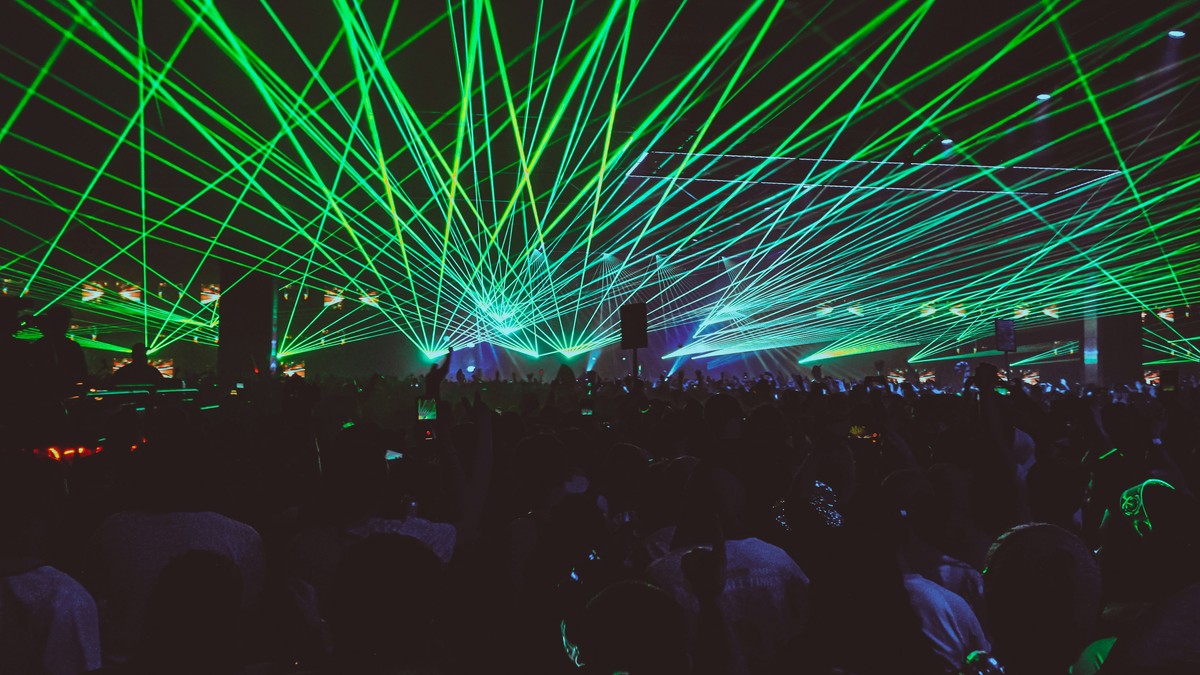
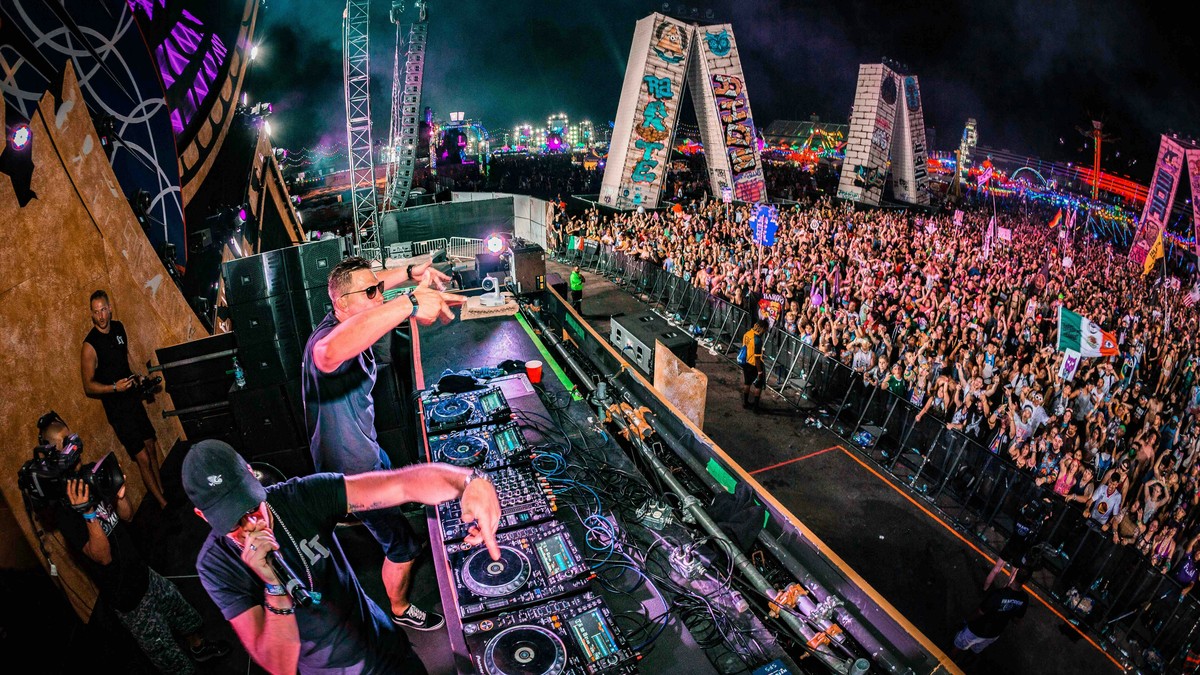
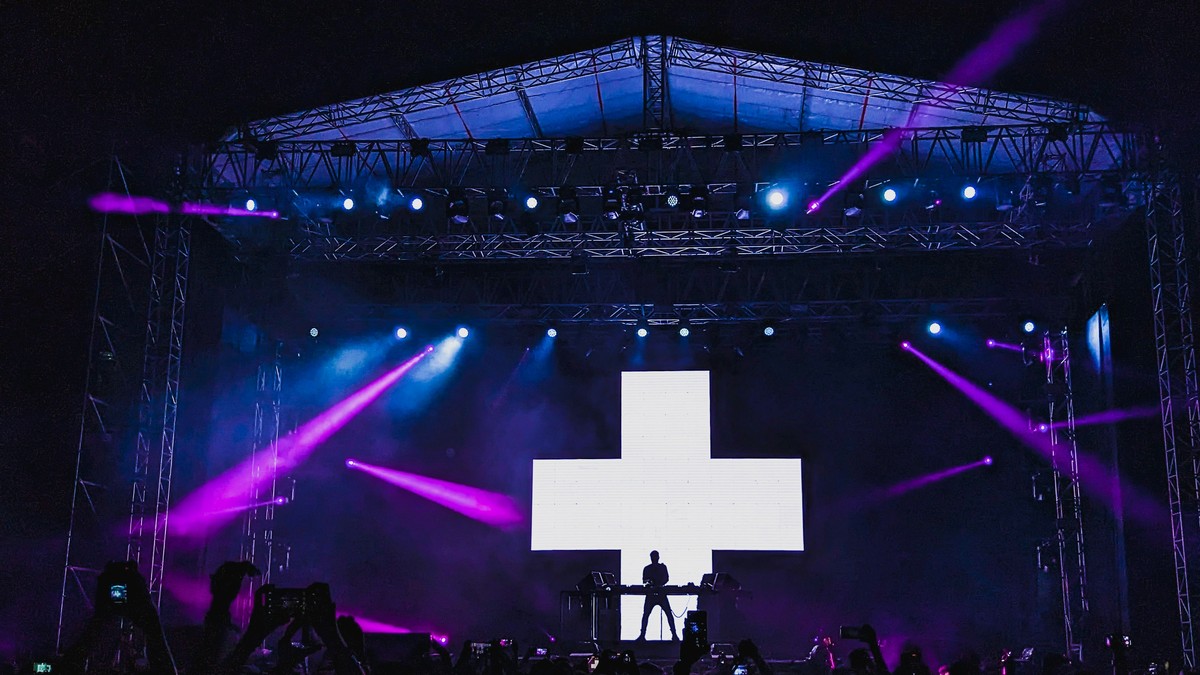
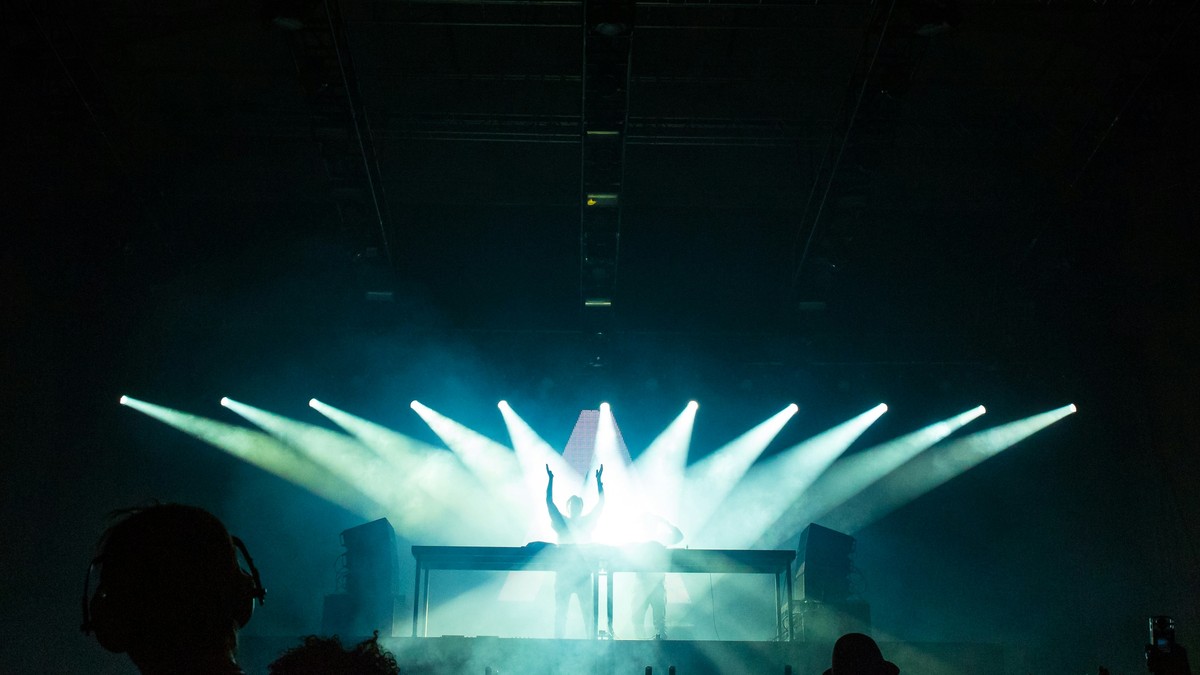
The production is a big part of the draw. At EDC Las Vegas, for example, the base pass covers nine unique arenas, free carnival rides, and interactive art installations. Expect lasers, pyrotechnics, towering LED walls, and stage designs themed like fantasy worlds.
Sets by headline acts usually run an hour or more, and many festivals schedule special back-to-back performances in which two artists share the decks. At Ultra’s 2026 edition, highlights included back-to-back sets from Amelie Lens and Sara Landry and from Armin van Buuren and Marlon Hoffstadt.
How to Choose Your First EDM Festival
The best first festival is the one you can enjoy comfortably, not the biggest one on the calendar. Start with the music.
If your playlists are mostly mainstream dance and pop crossovers, a flagship festival with multiple big-name stages will feel familiar. If you lean toward techno or underground house, a genre-focused event like Detroit’s Movement festival, which celebrates the city’s techno heritage, may suit you better than a mega-festival whose biggest stage plays something else entirely.
Next, consider setting and format, because they shape your experience more than most lineups do. Ultra takes place in Bayfront Park in downtown Miami, on the edge of Biscayne Bay, so you can sleep in a hotel and walk or ride home.
EDC Las Vegas runs on the Las Vegas Motor Speedway grounds, about a 45-minute drive from the Strip in traffic according to Ticketmaster‘s festival guide, and most attendees rely on official shuttles. Tomorrowland in Belgium offers on-site camping in DreamVille, a campground next to the festival grounds, and it pairs naturally with international travel packages.
Neither approach is better. The right choice depends on whether you want a city trip, a desert marathon, or a full-immersion camping holiday.
Think honestly about your comfort limits too. Three nights of outdoor dancing is physically demanding, and a festival that runs from evening until dawn is a very different commitment from one that wraps up around midnight.
Climate matters as well. Las Vegas typically sees daily highs between 85 and 93 degrees Fahrenheit in May, which makes hydration and sun protection a serious part of your plan. If you are unsure how you handle crowds or heat, a regional one-day event is a lower-stakes way to find out before you invest in a flagship weekend.
One more factor deserves attention: crowd size and capacity. Insomniac announced that EDC Las Vegas 2027 will expand to two weekends and will be designed with lower capacity, giving more space on the dance floor and making travel and accommodations easier. First-timers often prefer breathing room, so it is worth asking any festival you are considering how it handles capacity, entry lines, and exit logistics.
How Much Do EDM Festival Tickets Cost?
A three-day general admission pass at a major North American EDM festival currently costs roughly $360 to $700 once fees are included, while VIP passes range from about $900 to well over $2,000. The wide range comes from tiered pricing, in which each batch of tickets costs more than the last, and from add-ons like premium restrooms and expedited entry.
The published numbers back this up. For EDC Las Vegas 2026, general admission started at $469.99 during the Future Owl presale, GA+ began at $589.99, and VIP started at $978.99. By the end of the sale, GA closed at a final tier of $524.99 and VIP at $1,398.
For 2027, Insomniac announced single-weekend all-in prices of $399.99 for general admission, $499.99 for GA+, and $899.99 for VIP, with two-weekend passes starting at $599.99 for GA. Ultra’s 2027 early tickets followed a similar pattern, with Tier 1 three-day general admission at $359.36, Tier 2 at $419.26, and VIP starting at $1,797.01.
A later phase-one lineup announcement listed GA at $479.16 including fees. The lesson is simple: the earliest tier is almost always the cheapest, and waiting costs real money.
Your ticket is only part of the bill, though. One industry roundup estimates that travel and accommodation account for nearly 40 percent of total festival spending, which makes the festival purchase often more of a trip than a ticket. The same source notes that more than half of festivalgoers travel over 100 miles to attend.
These are aggregated estimates, so treat them as directional, but they match what most attendees report. When you set a budget, add flights or gas, lodging, shuttle or parking fees, food and drinks inside the grounds, a locker if you want one, and a cushion for merchandise and emergencies.
How to Buy Festival Tickets Without Getting Burned
The safest ticket is the one you buy directly from the festival’s official seller, so start there. Most major festivals publish an on-sale date weeks in advance and often offer a presale for newsletter subscribers.
Create your account, save your payment details, and verify your email and phone number the day before the sale, because a slow checkout is how many people lose their place. Many sales use virtual waiting rooms, and the timer on your cart is real, so be ready to finish the purchase quickly once you are in.
Some festivals add extra gates to the process. Tomorrowland, for instance, requires pre-registration, and registration gives you access to the sale phases but does not guarantee a ticket.
In 2026 the festival ran its sale in stages, with a Global Journey package sale on January 17, a Belgian sale on January 24, and the worldwide sale on January 31. Global Journey packages bundle a festival pass with travel and lodging, and some guides report they tend to offer better odds than standalone passes.
Tomorrowland also requires the name on the ticket to match the ticket holder, so do not assume you can freely hand a pass to a friend. Check each festival’s transfer rules before you buy for a group.
If paying everything upfront strains your budget, look for an installment plan, but read the terms. Front Gate‘s layaway system, which EDC uses, comes with a condition: a plan can be canceled if a scheduled payment fails and is not made up within the grace period. Missing a payment can therefore cost you the ticket entirely.
Resale deserves caution, particularly for sold-out events where scammers thrive. Use the festival’s official resale or transfer system whenever one exists.
In the United States, the Federal Trade Commission‘s Rule on Unfair or Deceptive Fees took effect on May 12, 2025, and it requires ticket sellers, including resellers, to show the total price with all mandatory fees at the start of the purchase process. That helps you compare prices honestly, but the rule requires disclosure and does not cap what sellers charge.
Enforcement is real: StubHub agreed to refund $10 million in fees to settle FTC charges over deceptive ticket pricing. If you must buy from a stranger, be wary of anyone offering screenshots or paper copies, and pay with a credit card so you have dispute rights. If you are traveling a long distance or spending heavily, event insurance could be worth considering.
Finally, check age policies before you book anything. At Ultra Miami, attendees must be 18 or older, general admission is sold as three-day wristbands with a four-ticket limit per order, and VIP areas are restricted to 21 and over. A group of friends with mixed ages needs to plan around those rules before purchasing.
What a Festival Day Actually Looks Like
Your day begins before you reach the gate. Eat a real meal, fill up on water, and give yourself a generous window to arrive, because security lines and shuttle queues are the most common source of first-timer stress.
Bring only what the festival allows, since bag rules are strict and enforced. Once you are inside, take ten minutes to find the essentials on the map, including water refill stations, restrooms, the medical tent, lockers, charging stations, and your group’s meeting point.
Then build a loose plan around your must-see sets. Festival apps and printed schedules list set times by stage, and the clashes between your favorite artists are inevitable.
Pick your top three or four priorities for each day, accept that you will miss something great, and leave space to wander. Some of the best moments at a festival come from drifting into a stage you had never heard of and staying for an hour. The magic of a festival often happens between the sets you planned to see.
Pace yourself, because the grounds are enormous. One EDC packing guide warns that you will walk more than ten miles at the venue alone, and that figure is a blogger’s estimate, but anyone who has been will tell you it feels about right.
Sit down when you can, eat regularly, and use the quieter hours to recharge. Agree on a meeting spot with your group in case phones die or service drops, which happens often when tens of thousands of people are in one place.
Finally, think about leaving before you arrive. The end of the night is when roads and shuttle stops clog, and rideshare prices spike near the gates.
Tourism guidance for Ultra suggests that walking away from the festival before calling a rideshare helps you avoid post-event traffic. If you are traveling with an official shuttle, learn the pickup location and the last-departure times, and decide with your group in advance whether you will catch the final song or leave a little early to beat the crush.
What to Pack for Your First Festival
Pack light, and pack for the specific festival you are attending. The most important rule is to read the official prohibited-items list and bag policy before you leave home, since policies differ and security will not make exceptions.
As a general pattern, a small clear bag, fanny pack, or hydration pack is the standard carry option. At EDC, attendees are advised to bring an empty hydration pack or water bottle and fill it at the free water stations inside, which saves a meaningful amount of money over buying drinks all night.
Next, build your kit around comfort and protection. Broken-in, supportive shoes matter more than any outfit, because blisters and sore feet are the most common reason people leave early.
Bring sunscreen for daytime sets, a light layer for temperature drops after sunset, a portable phone charger, your ID, a small amount of cash for vendors that do not take cards, and any prescription medication you need in its original container. Add earplugs, which we will cover shortly, along with lip balm, tissues, and a small pack of wet wipes.
As for what to wear, the culture is welcoming. One festival guide notes that anything goes at EDC, and the atmosphere is judgment-free.
Many attendees wear bright, creative outfits, and plenty of others wear shorts and a t-shirt. Choose clothes you can dance in for hours, avoid anything that restricts your movement, and remember that comfort beats aesthetics by about four in the morning.
How to Protect Your Hearing, Your Body, and Your Safety
Start with your ears, because hearing damage is both common and permanent. Safe listening guidance rests on a simple rule: sound levels around 85 decibels are considered safe for up to eight hours, and every 3-decibel increase cuts the safe time in half. Festival levels often run near 100 decibels, which by that math leaves roughly 15 minutes of safe exposure.
Stand next to the speaker stacks and the clock runs even faster. A Dutch study reported by CBS News measured an average festival level of 100 dBA and found that only 8 percent of earplug wearers experienced temporary hearing loss afterward, compared with 42 percent of those without protection.
Good earplugs do not need to be expensive, since even inexpensive pairs costing $25 or less can reduce volume to safer levels. Look for high-fidelity or “musician’s” plugs that lower volume without muffling the music, and stay away from the front of the speakers whenever you can.
Heat and hydration come next. Drink water steadily through the day instead of waiting until you feel thirsty, and eat actual meals even when you are not hungry. Know the warning signs of heat illness, such as dizziness, a pounding headache, nausea, confusion, or the sudden loss of sweating, and treat them seriously.
If you or a friend feels unwell, go to the medical tent right away. Staff there see these situations constantly and will not judge you.
The subject of drugs deserves an honest, practical paragraph, because they are part of the environment even though they are not part of the music. The safest choice is not to take anything. If you or your friends choose otherwise, understand that the illicit supply is unpredictable and sometimes deadly.
A review of six published drug-checking studies at dance festivals found that adulterants were detected in anywhere from 11 percent to 55 percent of samples, with variations in methods across the studies. Fentanyl is a major concern because it can contaminate pills and powders that people believe are something else.
As the head of the harm-reduction nonprofit DanceSafe has explained, your seller’s source is what matters, and the person selling often does not know what is in the product. Never accept a pill or drink from a stranger, never mix substances with alcohol, and keep an eye on your friends.
Some festivals now offer overdose-reversal training, and the EDC Las Vegas 2026 prep guide from one vendor points attendees to an End Overdose booth offering training and free naloxone. For reliable harm-reduction information, look up DanceSafe’s educational resources before you go.
Look out for each other as well. Stick with a buddy, share your location with someone you trust, and agree on a plan for what happens if you get separated.
If someone makes you uncomfortable, find security or a staff member. Most festivals have dedicated staff and volunteers for exactly that purpose, and a good crowd will back you up when you ask for help.
Festival Culture and Etiquette: What the Veterans Know
Dance music festivals have their own customs, and understanding them makes you feel less like a tourist. The central idea is PLUR, which stands for peace, love, unity, and respect.
The term traces back to the early 1990s rave scene, and it evolved from PLUM, a slogan associated with DJ Frankie Bones and the Brooklyn scene. In practice, PLUR shows up as small kindnesses: sharing water, picking up someone who fell, or checking on a stranger who looks lost. A student writing about rave culture described how people hand out water to complete strangers and make sure everyone is safe.
You will also see kandi, the colorful beaded bracelets many attendees wear stacked up their arms. Kandi is usually made from plastic pony beads on stretch cord, and it is traded through a specific PLUR handshake.
The ritual is simple. You trade with a handshake that spells out the four words, and each person slides a bracelet onto the other’s wrist.
If someone offers you kandi, accept it warmly and say thank you. If you want to participate, you can make a few bracelets in advance, which is easy and inexpensive, and it is a surprisingly good icebreaker.
Crowd etiquette is mostly common sense. Do not push through tight crowds without a reason, and if you must cross, say “excuse me” and be patient.
Keep your phone low during big drops so you do not block people behind you, and do not stand in the middle of a walkway to take photos. Respect personal space, accept “no” the first time, and never touch someone’s belongings or body without clear permission.
Pack out your trash, because the “R” in PLUR includes the land and the people who clean it up. A festival that feels warm and welcoming exists because thousands of attendees choose to make it so.
Planning the Trip: Travel, Lodging, and Budget
Treat your festival like a trip, and plan the logistics early. Flights and hotels near major festivals are among the first things to sell out or spike in price.
For Ultra, hotels like the InterContinental are adjacent to Bayfront Park, and options in Brickell and Miami Beach sit within a short drive. For EDC, you can stay on the Strip and use a shuttle, or choose the festival’s own camping and hotel packages. Once ticket sales open, lodging goes quickly, so many experienced attendees book refundable rooms the moment they can.
Give yourself buffer days on both ends of the weekend. Arriving the day before lets you pick up your wristband, adjust to the climate, and shop for supplies without stress.
Staying an extra day afterward lets your body recover and keeps you from rushing to the airport on no sleep. A veteran tip repeated in many festival guides is to space out pool parties, nightclub events, and festival evenings so that you get at least one rest day, which matters most in a city like Las Vegas, where the nightlife can easily eat your energy before the festival starts.
On money, build your budget before you buy the ticket and not after. Add the pass, travel, lodging, ground transportation, food, drinks, a locker, merchandise, and a cushion for the unexpected.
Then decide ahead of time how you will split costs with your group, since shared rooms and rideshares are the easiest places to save. Finally, call your bank to tell them you will be traveling, because card transactions in unfamiliar cities can get flagged, and a frozen card at midnight in a crowd is a miserable problem to solve.
Go In Prepared, Then Let Go
Your first EDM festival will probably be louder, bigger, more colorful, and more emotional than you imagine. Most of the stress people feel beforehand comes from logistics, and logistics are fixable.
Choose a festival that fits your taste and comfort level, buy from official sources at the earliest price tier, and budget for the whole trip instead of just the pass. Protect your hearing with real earplugs, keep water in your hand, and stay close to people you trust.
Once you have handled those basics, give yourself permission to stop planning. Walk into a stage you have never heard of. Trade a bracelet with a stranger.
Stay for the sunrise set even though your feet hurt. The point of all this preparation is to free your attention for the part you came for, which is the music and the people dancing beside you. Enjoy it, and take care of each other.