Every MMA organization on the planet started the same way, with someone watching a fight card and thinking they could build one of these themselves.
Then that someone discovered athletic commissions, insurance minimums, bloodwork deadlines, cage rental quotes, and a main event falling apart at the weigh-ins.
Starting an MMA organization is genuinely possible for an ordinary person with a modest budget and a lot of stamina. It is also one of the most heavily regulated corners of the entire live events business.
This guide walks through what it actually takes in Canada and the United States, from licensing and equipment to fighters, finances, venues, and fight-night logistics. It also covers the part nobody puts in a business plan, which is how you keep yourself motivated when the first year tries to break you.
The Honest Answer: Harder Than It Looks, Easier Than It Used to Be
The short answer is that starting an MMA organization is hard in the paperwork and easy in the concept.
The concept is simple: rent a venue, book fighters, sell tickets, and put on fights. The paperwork is where the difficulty lives. You are not just an event promoter, because you are also a regulated operator in a sport where people can get seriously hurt, and every government involved treats you that way.
The encouraging news is that the path is clearer than it has ever been.
Canada cleaned up its federal law in 2013, Ontario modernized its system completely in 2025, and American commissions have decades of promoter licensing routines down to a checklist.
Regional promotions prove every month that it can be done at a human scale. BTC Fight Promotions built itself into Ontario’s flagship regional organization, and Battlefield Fight League has run professional and amateur cards in British Columbia for years.
Nobody starts at that level, though, and the people who survive are the ones who understand the whole job before they book their first venue.
If you want the general promoter’s starting line first, our guide to becoming an event promoter covers the mindset and the first moves.
Canada: It Starts With the Criminal Code
The first thing a Canadian promoter has to understand is that MMA sits inside criminal law, not just sports law.
Section 83 of the Criminal Code makes it an offence to engage in, promote, or take part in a prize fight, and professional MMA spent years in a legal grey zone because of it.
Provinces worked around the old wording for years by regulating MMA under their boxing authorities and calling it mixed boxing.
Montreal, Toronto, Vancouver, and Calgary all hosted major events that way, but the underlying law had not been updated since 1934.
That changed with Bill S-209, which received Royal Assent on June 19, 2013. The amendment rewrote section 83 so that a mixed martial arts contest is exempt from the prize fight offence when it is held with the permission of, or under the authority of, a provincial athletic board or commission.
The practical meaning is simple and absolute: there is no legal professional MMA in Canada without a provincial regulator behind your event. An unsanctioned pro show is not a paperwork shortcut, because it is a criminal offence.
Amateur MMA follows the same logic from the other direction. Amateur contests are exempt only where the province has designated the sport or granted permission, which is why the amateur map looks different in every province.
The second practical meaning is that Canada has no single national licence.
Your authority to promote exists province by province, and a promoter in good standing in Ontario starts from a different rulebook the moment the show crosses into Quebec or British Columbia.
The Provincial Map for Canada MMA: Ontario, Quebec, British Columbia, and Alberta
Ontario MMA Rules
Ontario is the model most new Canadian promoters will meet first, because it is the biggest market and the most recently rebuilt system.
The Combative Sports Act, 2019 came fully into force on January 1, 2025, replacing the old Athletics Control Act and covering professional and amateur events under one framework.
The Commissioner of the Ontario Athletics Commission issues the licences and the event permits, and Ontario’s official guide for professional events lays out the requirements. Promoters, contestants, managers, matchmakers, and officials all need licences, and no event can be promoted or held without a valid event permit.
The law even reaches the building itself, because a venue owner or operator cannot legally host a combative sport contest unless the Commissioner has issued a permit for it. Amateur promoters in Ontario now have a real route as well, with event permit fees of $600 for a single event and $1,600 for a multi-day tournament, plus mandatory concussion awareness training and return-to-play protocols for amateur athletes.
BC MMA Rules
British Columbia runs a provincial system through the BC Athletic Commissioner, and it is a good example of how detailed a regulator’s expectations get. A promoter must first be registered with the BC Athletic Commission before applying for an event permit, and amateur event permits carry no fee.
British Columbia’s rules also show the operational discipline commissions expect everywhere. The promoter files the proposed matches, weight classes, rounds, and purses at least 14 days out, confirms or updates them at 7 days, adds nobody inside 3 days without approval, and makes sure every fighter is in town for the 30 hours before the event.
Quebec MMA Rules
Quebec regulates professional combat sports through the Régie des alcools, des courses et des jeux, the same provincial body that handles alcohol and gaming.
Professional boxing, MMA, and kickboxing sit under its authority, and promoters apply through the Régie for their events.
Alberta MMA Rules
Alberta is the outlier, and the province has said so itself, describing Alberta in late 2024 as the only province where combative sports are sanctioned by municipal governments.
The Edmonton Combative Sports Commission and the Calgary Combative Sports Commission run their own licensing and medical regimes, so an Alberta promoter deals with city hall instead of a provincial office.
The rest of the country is a patchwork that ranges from provincial commissions to places with no regulator at all.
Where no commission exists, professional MMA cannot be held legally, and that single fact should shape where a new organization chooses to plant its flag.
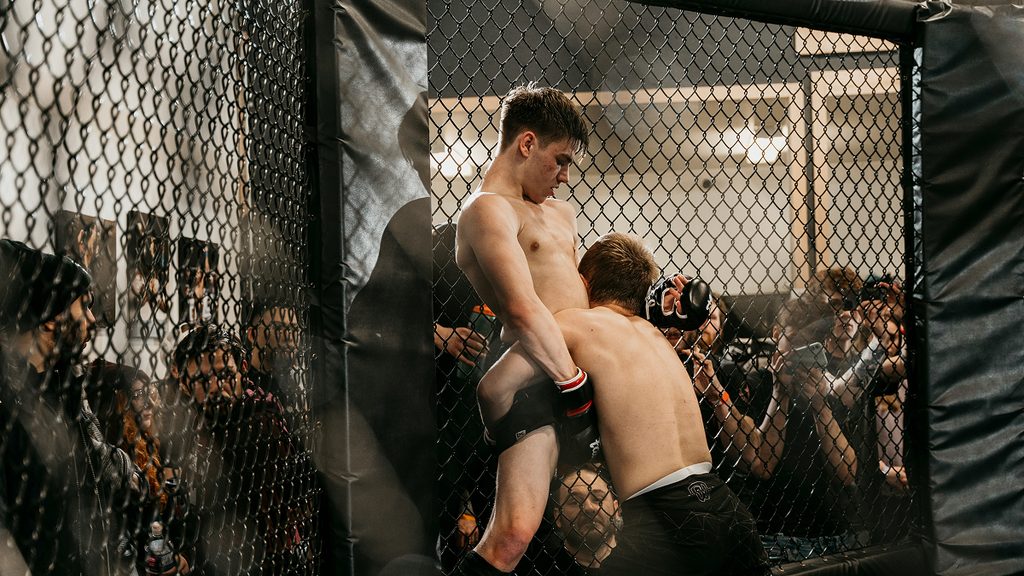
The United States and a Patchwork of MMA Rules: Fifty States, Fifty Rulebooks
South of the border, the structure is familiar but the details multiply.
There is no federal MMA licence and no national commission, so promoters are licensed state by state, almost always by a state athletic commission or a department of licensing.
The pattern repeats nearly everywhere, even though the fees and forms differ. You apply for a promoter’s licence, prove you can pay your bills, post surety bonds, and then apply separately for each event you want to run.
Maryland’s requirements show the shape of it clearly. The Maryland State Athletic Commission asks promoter applicants for a notarized or accountant-certified financial statement, corporate documents for companies, and evidence that the applicant can pay the taxes, purses, arena rental, personnel, and advertising the event needs.
Maryland also requires two surety bonds, one covering expenses and one covering the state tax. The bonds exist so that fighters, officials, and the state still get paid if a promoter’s show collapses financially.
Texas runs its combative sports program through the Texas Department of Licensing and Regulation, and its promoter application calls for two $15,000 surety bonds, one guaranteeing the promoter’s obligations and one guaranteeing gross receipts taxes. New Texas promoters also have to attend an in-person orientation with department staff in Austin before they promote.
New York shows the insurance side at its most demanding. State law requires promoters to continuously carry accident insurance for their fighters with minimum coverage of $50,000 for medical care, $50,000 payable on a fighter’s death, and $1,000,000 for a life-threatening brain injury.
One more federal fact matters to American promoters, and it is a fact about what does not apply.
The Muhammad Ali Boxing Reform Act, the federal law that polices promoter conflicts of interest and contract transparency, covers boxing only, so MMA fighters and promotions operate without that federal layer.
Almost every commission works from the same competitive foundation, the Unified Rules of MMA maintained through the Association of Boxing Commissions. Those rules set the weight classes from flyweight at 125 pounds up to heavyweight at 265, the three five-minute rounds for regular bouts and five rounds for title fights, and the fouls and judging criteria officials apply.
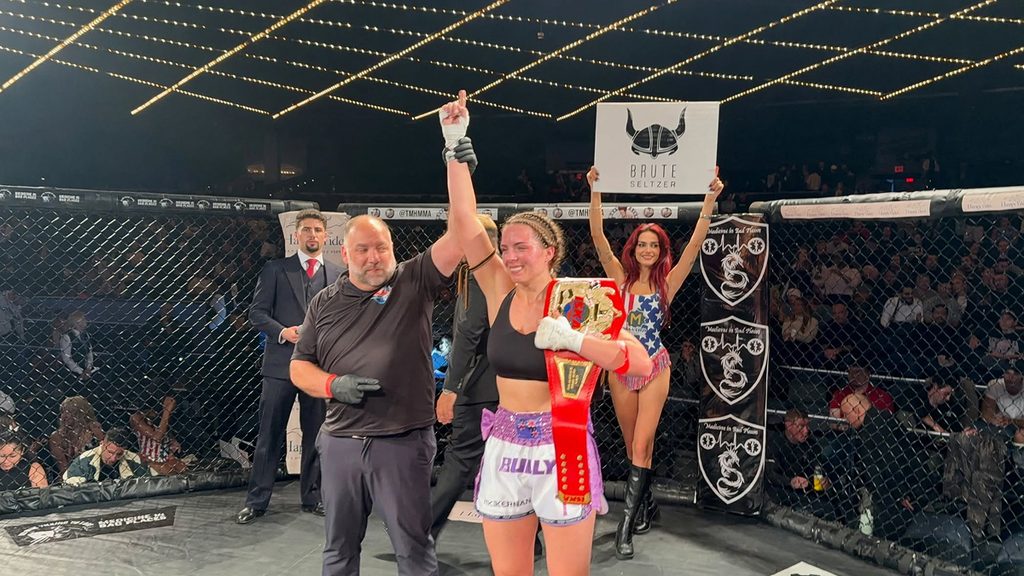
The Licence Stack: Paperwork You Cannot Skip
Zoom in from the map and a new promoter faces a stack of separate approvals, each with its own lead time. The promoter’s licence comes first, and it is personal: commissions vet your finances, your background, and in places like Ontario, the licences of the matchmaker, managers, and officials around you.
The event permit comes second, and it is specific: one professional event, one date, one venue. British Columbia’s 14-day and 7-day filing rhythm is typical of the detail involved, because regulators want the match list, the purses, and a matchmaker’s signed declaration that the proposed fighters are suitable opponents for each other.
Insurance comes third, and it is not optional or negotiable. Commissions set minimum medical coverage for fighters, events carry general liability coverage commonly structured at $1,000,000 per occurrence, and the California amateur system publishes its floor plainly at $25,000 of accidental medical coverage per athlete.
Medical clearance is the fourth layer, and it is the one that cancels fights. Fighters need current bloodwork testing for HIV and hepatitis B and C, an annual physical, and in stricter jurisdictions a dilated eye examination and brain imaging before a professional debut.
Nevada’s long-standing routine shows the full stack: annual physicals, dilated eye exams, bloodwork, and MRI and MRA scans before a fighter’s first professional bout, with more testing after knockouts or as fighters age. Calgary’s published pre-bout regime has required physician clearance, infectious disease screening within six months, an ECG within a year, and a dilated eye exam within a year.
Every one of those documents moves on its own clock, and a result that arrives a day late removes a fighter no matter how many tickets carry his name. We will come back to that in the logistics section, because managing medical paperwork is half the promoter’s job.
The fifth layer is the officials, and new promoters are often surprised to learn they do not hire them the way they hire a DJ. Referees, judges, timekeepers, and the ringside physician work under the commission’s authority, and the promoter pays their fees and often their mileage and parking as assigned costs of the event.
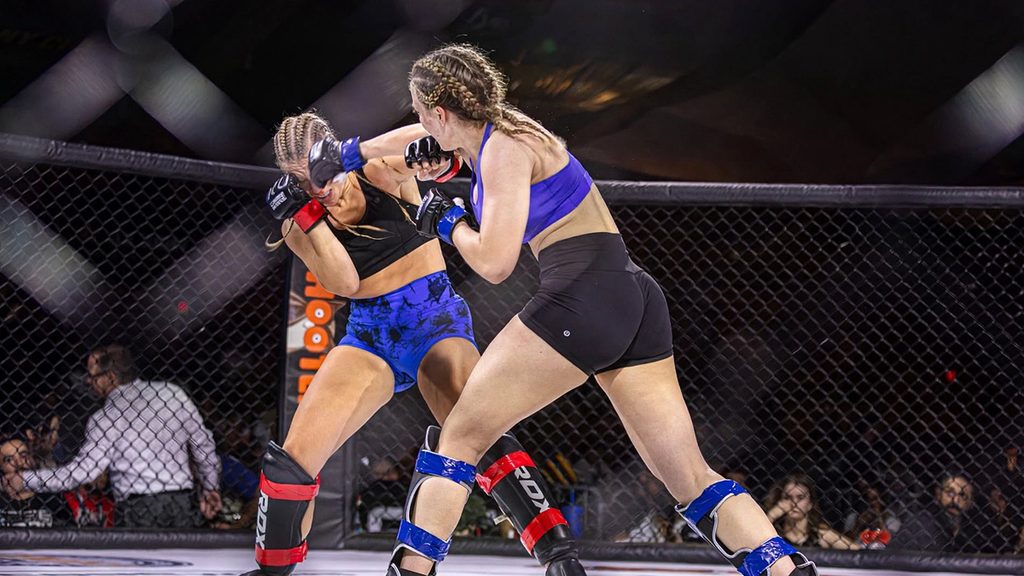
The Inventory: Everything That Has to Be in the Building
Fight night runs on a physical inventory that has to be complete before the first fan walks in. This is the part of the business you can hold in your hands, and it is worth listing carefully because every missing item becomes an emergency at the worst possible hour.
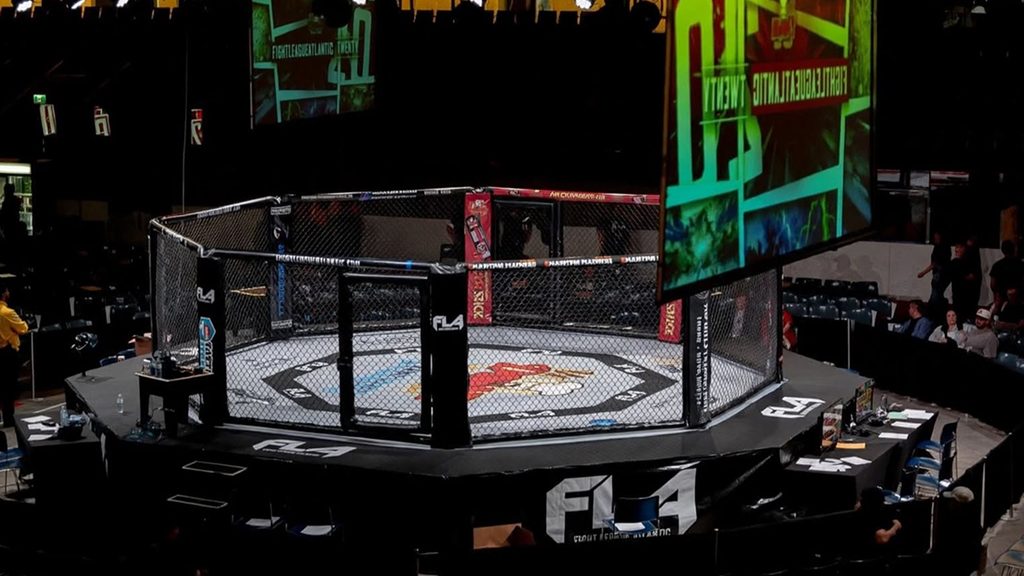
The centrepiece is the cage itself, and it is a serious piece of equipment. The famous Octagon used by the Ultimate Fighting Championship measures 30 feet across with a fence standing roughly five to six feet high, while other promotions run cages anywhere from about 20 to 32 feet across.
A competition-ready cage from a reputable manufacturer is a five-figure purchase at the serious end, with professional systems commonly running from about $5,000 to well over $30,000 depending on size, platform, and finish. Many new promotions rent a cage from an established regional promotion or a production company for their first shows instead, which trades a capital purchase for a per-event fee and a delivery truck.
Around the cage goes the rest of the field of play. You need the canvas or vinyl surface and its padding, replacement canvas for blood and damage, the padded fence posts and gate hardware, and safe clearance space on every side for officials, camera positions, and the cageside medical team.
The fighters’ equipment is smaller but just as mandatory. Commissions require approved gloves, generally four to six ounces for professionals, with the promotion supplying or approving them, plus hand wraps, tape and gauze, mouthguards, and protective cups that officials inspect before anyone enters the cage.
Backstage, the inventory turns practical, and it starts with a certified scale for the weigh-ins. You also need warm-up mats and a warm-up area for each corner, stools, ice, buckets, towels, and water for every corner team, and a separate room where the commission’s inspectors can check wraps and gloves.
The medical kit is its own category and its own budget line. Ringside physicians need their equipment at cageside, a stretcher and a clear exit route have to be planned with the venue, and many jurisdictions require an ambulance on site or on standby before the first bout can start.
Production fills the rest of the truck. Lighting that makes the cage readable from the cheap seats, a sound system for walkouts and announcements, a video screen if the budget allows, a broadcast or streaming rig if you are selling the show online, radios for your crew, and printed scorecards, bout sheets, and credentials round out the list.
None of this has to be bought in year one. Veteran promoters will tell you the smart sequence is to rent the cage and production, own the small consumables outright, and buy equipment only when the rental bills start exceeding what ownership would cost.
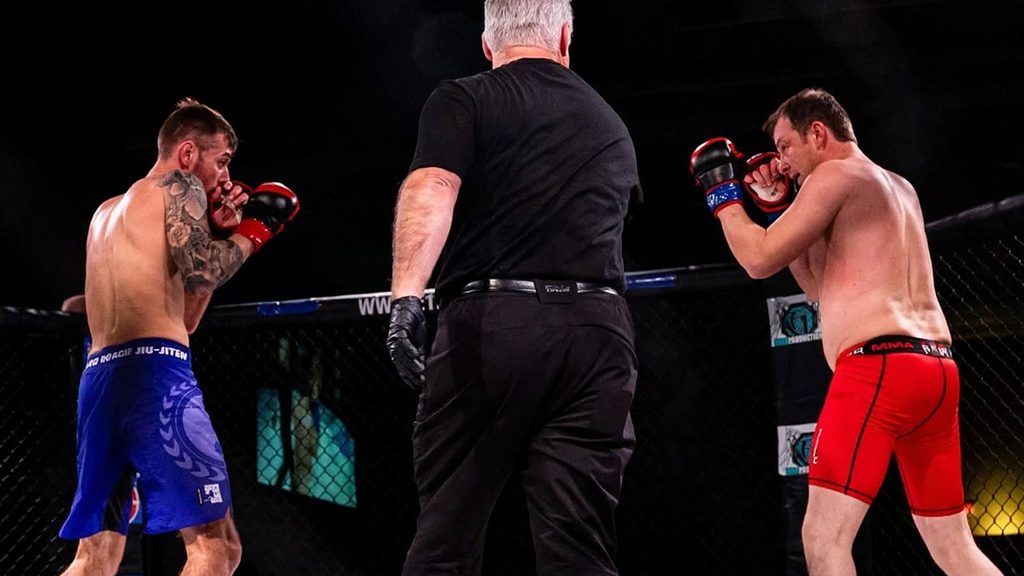
Getting Fighters: Matchmaking Is the Product
A fight card is only worth what its matchups are worth, and matchmaking is the skill at the centre of the whole business. Anybody can book two people who want to fight, but building pairs who belong in the cage together is the work.
Fighters come from a small number of reliable sources, and a new promoter should work all of them. Local gyms are the foundation, because every serious MMA gym has a stable of amateurs ready to debut and young professionals looking for a second or third bout.
Managers and agents are the second source, and they protect their fighters fiercely. A manager’s whole reputation rests on not feeding a prospect to a ringer, so a new promotion earns access to better fighters by proving its matchups are honest.
The amateur ranks are the third source, and they are where your future headliners are currently fighting for medals instead of money. Amateur cards, run in Canada under provincial oversight and internationally under standards bodies such as the International Mixed Martial Arts Federation, let you scout talent and build relationships before money enters the picture.
Records research is the discipline that keeps matchmaking honest. Databases such as Tapology and Sherdog hold bout histories and rankings for fighters at every level, and checking them is how you catch the 8-0 visitor being offered as a fair match for your local debutant.
Contracts turn a handshake into a card. A bout agreement sets the weight class, the rounds, the purse, and the show-and-win structure, and commissions expect the paperwork filed with the match lists they approve.
Fighter pay at the regional level is modest and structured simply. Fighters typically sign for a show purse with a matching win bonus, so a fighter might fight for $500 to show and another $500 to win, with purses climbing into the low thousands as records, ticket sales, and drawing power grow.
The unglamorous truth is that many regional fighters also sell tickets personally, because their own following is part of what a promoter is buying. Treat those fighters well, pay them on time and in full, and the gyms will send you their next wave without being asked.

Organizing the Organization: The Team and the Timeline
An MMA organization is a small company wearing a fight costume, and it needs the same bones as any other company. Incorporating the business, opening its accounts, and keeping its books are unglamorous steps that commissions effectively demand anyway when they ask for financial statements.
The core team is smaller than people expect. You need a matchmaker you trust, an operations lead who runs the venue day, a marketing hand who lives on social media, and a medical liaison who tracks every fighter’s paperwork like a court date.
Some of those hats can sit on one head at the start, and usually they sit on yours. What cannot be skipped is the division of attention, because the person negotiating with a sponsor cannot also be chasing a missing bloodwork result on fight week.
The timeline for a single card runs months, not weeks. A workable rhythm books the venue and files for the event permit first, builds the card around a signed main event second, and opens ticket sales only when the commission has the match list it needs.
A sensible first year is two or three cards, spaced far enough apart to recover money and energy between them. Promoters who try to run monthly from a standing start usually discover that the commission deadlines alone form a second full-time job.
Everything on that timeline benefits from boring, repeatable systems. The step-by-step habits in our guide to planning a successful event translate directly, because a fight card is an event with stricter paperwork, not a different species.
Finances: What a Show Costs and Where the Money Comes Back
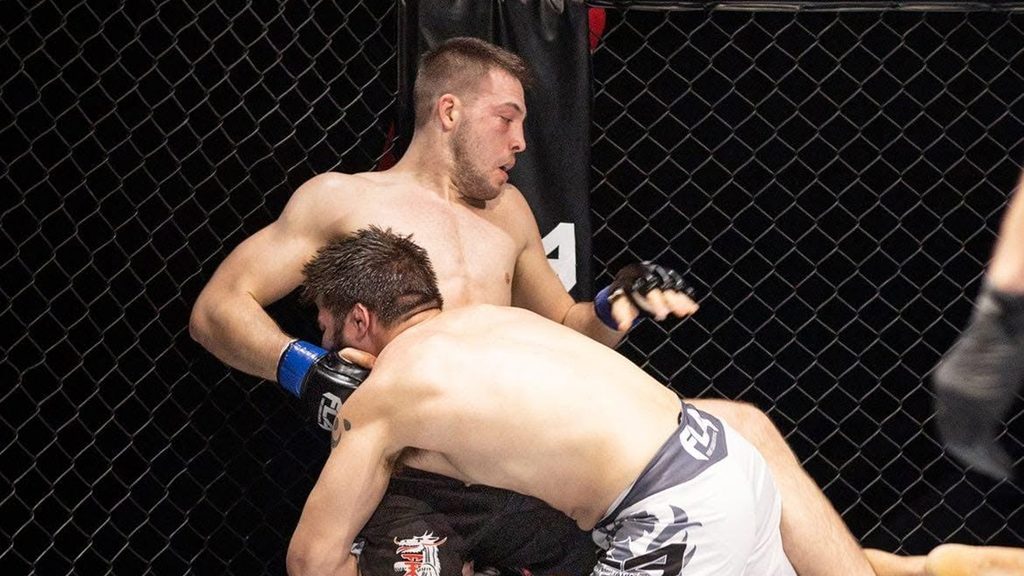
Here is the number every aspiring promoter actually wants: a modest regional card commonly costs somewhere in the tens of thousands of dollars to stage. Published budget breakdowns for smaller shows put venue rental anywhere from about $2,000 to $15,000, fighter purses from $5,000 into the tens of thousands, and production from $3,000 to $20,000 before staff, insurance, marketing, and travel are added.
The cost stack has more layers than newcomers expect. Under the big three of venue, purses, and production sit the commission’s fees, the officials’ fees, the ringside physician, the insurance premiums, the ambulance, security, and the cage rental or transport.
California’s amateur fee schedule shows how granular the official layer gets. Its sanctioning body charges promoters an annual fee of $500, event fees starting at $1,000, per-bout fees beyond seven bouts, published rates for referees and judges, and $350 for a ringside physician, or $500 when the physician works alone.
The revenue side has five real sources, and a healthy card uses at least three of them. Ticket sales are the obvious one, sponsorship is the quiet difference-maker, and streaming or pay-per-view sales extend the room beyond its walls.
Merchandise and concessions complete the picture. A card-specific shirt is a small thing until it sells out, and the right event merchandise can add a meaningful line to a tight budget.
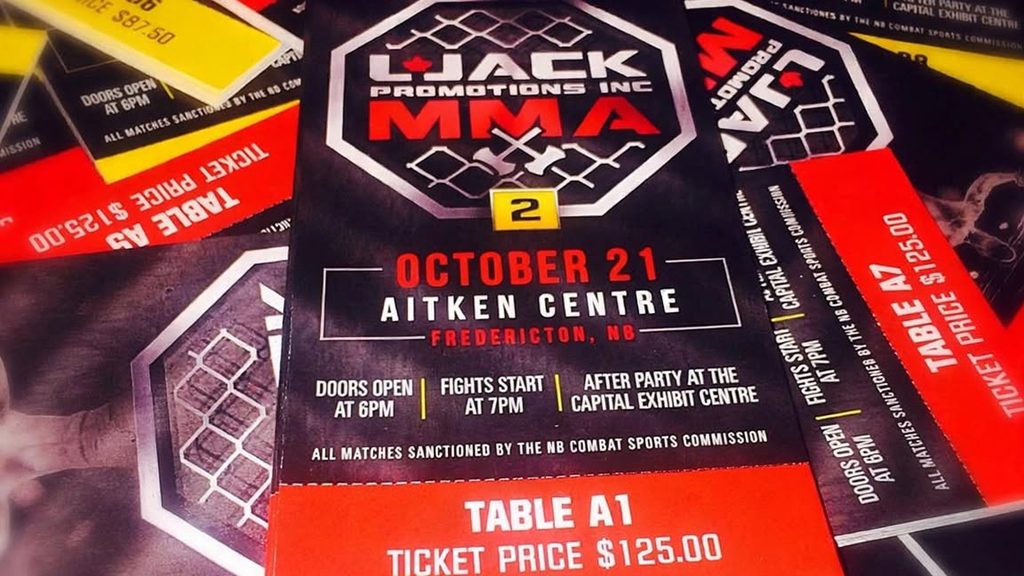
Pricing is a strategy decision, not a guess. Regional cards live on affordable general admission with a premium tier for cageside tables, and a promoter’s approach to setting ticket prices is worth studying before you print a single number.
Protect the downside like it matters, because it does. Surety bonds, insurance, and commissions all exist because promoters have failed to pay fighters before, and the fastest way to end an organization is to owe money in a sport with a long memory.
The promoters who last treat the first card as tuition: a real cost of learning, budgeted honestly, with the second card planned before the first one happens. Our breakdown of event revenue and finances goes deeper on making the numbers behave.
Venues: A Cage Changes the Room
Not every hall that hosts concerts can host a cage. The venue conversation for an MMA card starts with the floor, the ceiling, and the load-in door, and only then moves to capacity and rent.
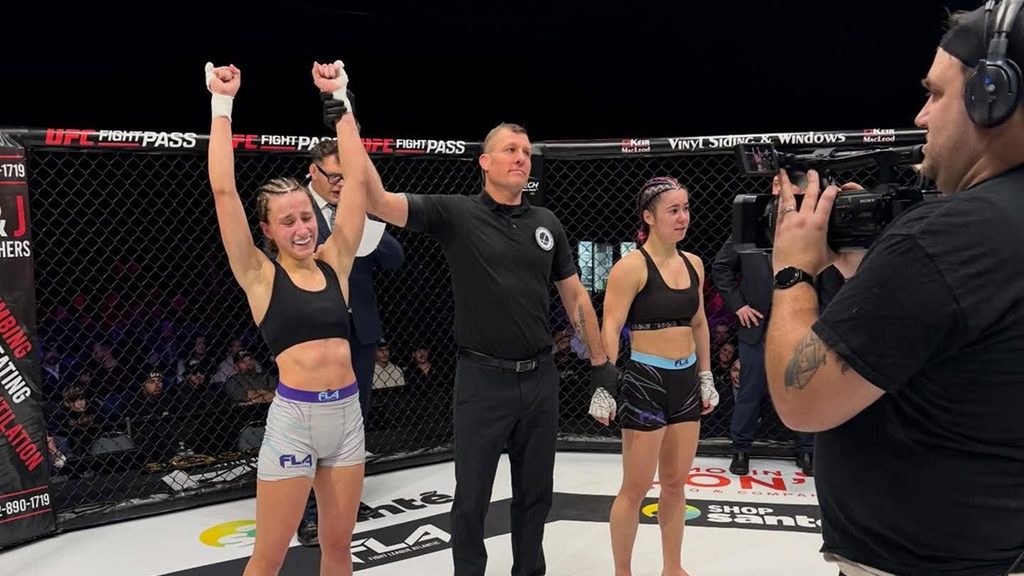
The cage footprint is bigger than the cage. A 30-foot cage with its safety apron, cageside officials’ tables, medical positions, camera platforms, and broadcast space can consume the heart of a small arena, and the ceiling has to clear the lighting rig above it.
Sightlines decide whether the room works at all. Flat-floor halls need risers or a raised platform so the crowd can see over the fence line, while theatres and arenas with raked seating often serve fight cards better than their capacity suggests.
Backstage matters as much as the bowl. You need separate dressing rooms and warm-up space for red and blue corners, a private room for medicals and commission business, secure corridors for walkouts, and a route that moves an injured fighter to an ambulance without crossing the crowd.
The venue’s own permissions are part of the booking, because in Ontario the building itself cannot legally host the event without the Commissioner’s permit attached to it. Alcohol licensing, security requirements, and curfews all sit with the venue, and choosing a venue that suits the event is a decision that echoes through every other line of the budget.
Start smaller than your ambition, because a loud 800-seat room that sells out builds more value than a 3,000-seat arena with the lights showing every empty row. Regional MMA history is full of organizations that grew exactly that way, one full room at a time.
Fight Week and Fight Night Logistics
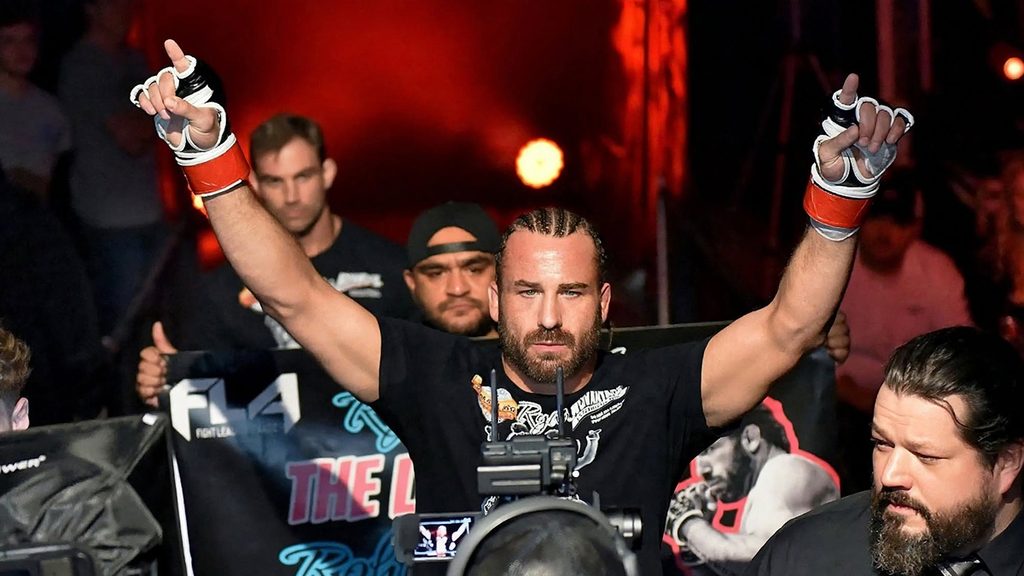
All of the planning in the world compresses into about 72 hours, and fight week is where organizations earn their reputations. The week runs on a fixed skeleton: medicals and paperwork deadlines first, weigh-ins the day before the card, and the show itself on the final night.
The weigh-in is a production in its own right. Fighters step on a certified scale in front of commission officials, face off for the cameras, and complete their pre-fight physicals with the event physicians, the same routine Calgary’s regulators built around physician clearance and checked paperwork.
Fighters who miss weight trigger the sport’s most familiar negotiations: extra time to cut, a catchweight agreement, or a percentage of the purse moving to the opponent. Build standby fighters into your planning, because British Columbia expects contestants to be in town 30 hours out precisely so replacements and problems can be handled.
Travel and lodging are logistics the promoter owns. Out-of-town fighters need flights or mileage, hotel rooms near the venue, and per diems that arrive when promised, and every failure in that chain shows up as stress in the cage.
Show night runs on a minute-by-minute sheet. Doors, walkout order, broadcast cues, commission inspections of wraps and gloves, and the security plan all interlock, and solid event security practices matter double in a room full of fight fans and adrenaline.
Streaming adds a second production on top of the first. If you are selling the card online, the stream needs its own producer, commentary team, and rehearsal time, and the pros and cons of live streaming an event should be weighed before the first contract is signed.
The night ends with obligations, not celebration. Fighters get their post-fight medical checks, suspensions are recorded and reported, purses are settled, and the commission’s paperwork closes only when every official is satisfied.
Selling Tickets and Building an Audience
Regional MMA sells on fighters first and brand second. A local prospect with three gyms full of friends will outdraw a technically better card of strangers, which is why matchmaking and marketing are the same conversation in this business.
Your first audience is already in your fighters’ phones. Every fighter on the card should be announcing the bout to their own following with your ticketing link in hand, because their community trusts them more than it will ever trust a new promotion’s logo.
The wider campaign is ordinary event marketing done consistently. Announce the main event early, roll out the card in pieces, film the gym visits and the weigh-in faceoffs, and read up on how to sell more tickets for an event before you spend a dollar on ads.
Consistency builds the asset that actually compounds. A promotion that runs in the same city on a predictable rhythm becomes a habit for fans, and growing an audience for an event series is the long game that turns one decent gate into a durable business.
Sponsors belong in this section too, because local businesses buy the cage canvas, the ring cards, and the broadcast mentions of organizations that draw their customers. A sponsor who renews is worth more than a sponsor who pays once, so deliver reports, photographs, and proof of audience after every card.
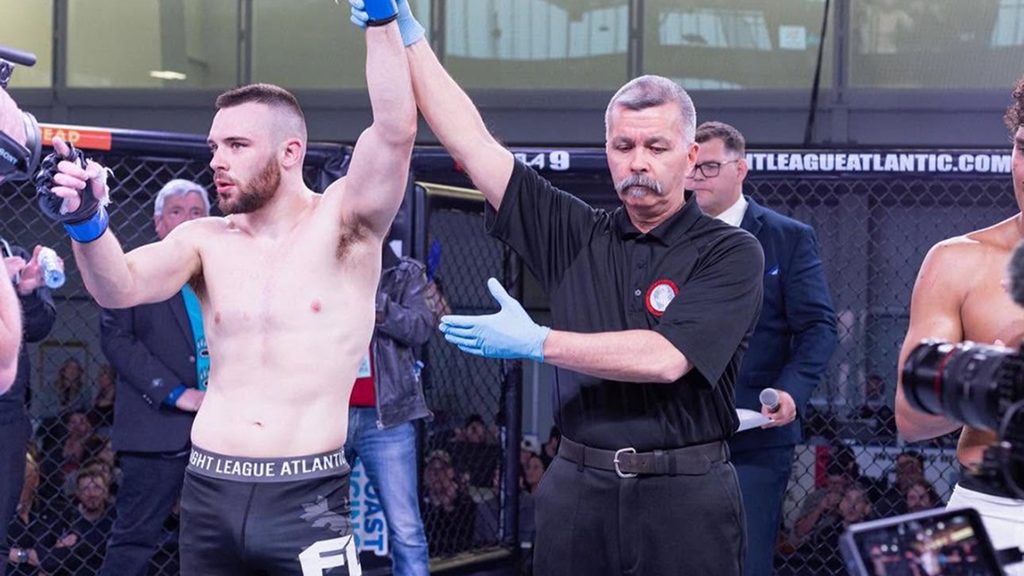
Motivating Yourself: The Promoter’s Long Game
Every section above describes work that can go wrong in public, and that is why this section exists. Promoters quit over motivation more often than over money, because the money problems usually arrive wearing a motivation costume.
The first card will humble you. A fighter will withdraw, a sponsor will go quiet, ticket sales will stall at a number you do not want to say out loud, and you will handle all of it in the same week.
Motivation survives that week when it is built on structure instead of mood. Break the enormous goal into the next single deliverable: the permit filed, the main event signed, the cage deposit paid, and let finishing small things carry you between the big ones.
Keep your reason visible and specific. Promoters who last tend to be building something for somebody: a platform for their gym’s fighters, a fight town that deserves a real organization, or a business their family can point to with pride.
Surround yourself with people who have bled on this exact canvas. One honest conversation with a veteran promoter will teach you more about your bad week than a month of brooding, and this industry shares its war stories freely with anyone who has earned a seat at the table.
Learn the recovery skill as deliberately as the matchmaking skill. A disappointing card is data, not a verdict, and knowing what to do after an event disappoints is part of the professional toolkit, in fight promotion more than anywhere.
Protect the parts of your life the promotion does not get to eat. Sleep, training, family time, and one interest with no cage in it are what let a promoter show up for year three with anything left to give.
So, How Hard Is It, Really?
Starting an MMA organization is hard in the way that opening a restaurant is hard: licensed, inspected, capital-hungry, and unforgiving of sloppy preparation.
It is not mysterious, and it is not closed to newcomers, because the commissions publish their requirements and the regional scene is full of people who started with one rented cage.
The formula that works is unglamorous. Learn your regulator’s rulebook before you spend a dollar, rent what you can, insure what you must, match fights honestly, pay everyone on time, and run the same city on a steady rhythm until the room believes in you.
If you have read this far, the honest answer to the title’s question is the encouraging one. It is hard enough to keep the careless out, and achievable enough that the next name on a Canadian or American fight poster could be yours.