Investing in a music venue is one of the most emotionally rewarding and financially unforgiving bets in the live events industry.
According to the most comprehensive study of the sector to date, 64% of independent music venues in Canada were not profitable in 2024, even as the sector produced enormous economic value for its communities.
That tension is the heart of what we are talking about here.
In this article, we’ll look at what the numbers really say, where profit hides, what it costs to get in, which venue models work best, and which mindset helps entrepreneurs survive long enough to earn a return.

Is Investing in a Music Venue Profitable?
A music venue can be profitable, but it is rarely easy money.
Most independent venues run on razor-thin margins. The operators who earn real returns usually own or control their real estate, diversify revenue well beyond ticket sales, and manage costs with almost obsessive discipline.
If you plan to treat a venue as a passive investment, the data suggests you will probably be disappointed.
The evidence starts with the National Independent Venue Association‘s (NIVA) State of Live report, which was conducted by TEConomy Partners and found that 64% of independent venues were unprofitable in 2024.
The United Kingdom tells the same story. Music Venue Trust’s 2025 annual report showed that average profit margins across grassroots venues stood at just 2.5%, while 53% of venues recorded no profit at all.
Chicago’s independent scene is another example. A 2026 local report found that only about one in four of the city’s indie venues is profitable.
That is why most entrepreneurs will tell you that anyone who opens a venue expecting to get rich is looking in the wrong place.
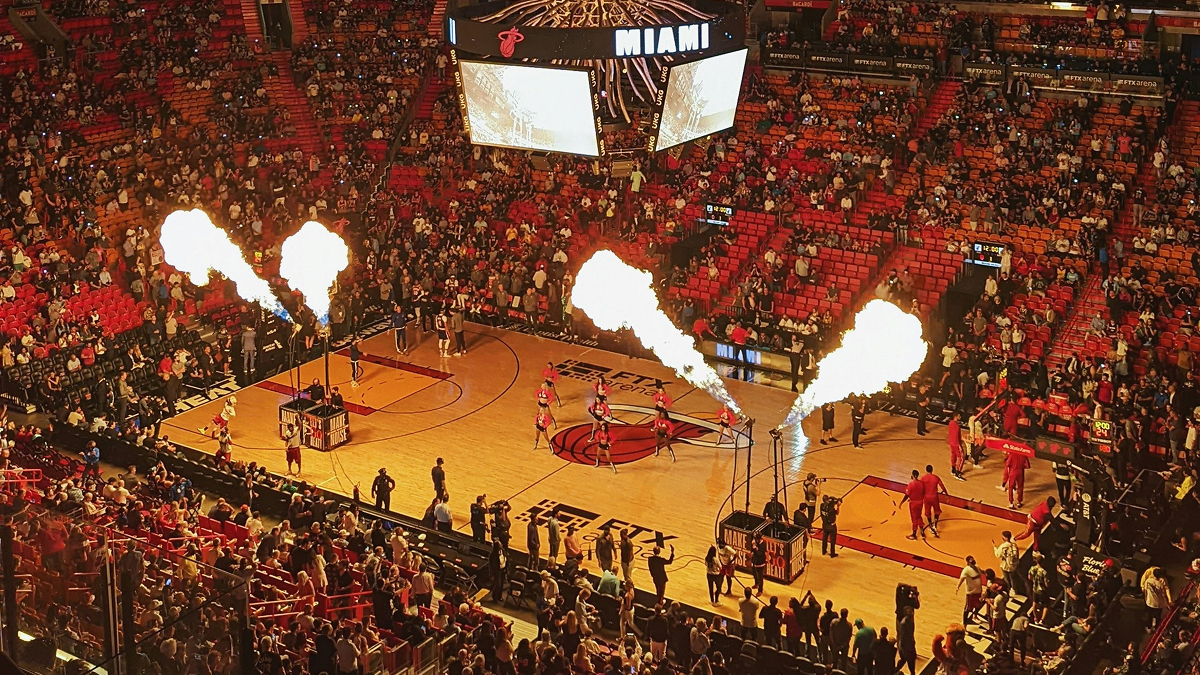
Scale does not automatically fix the problem either. Live Nation, the largest operator in the world, reported record 2025 results in which its Concerts segment delivered a best-ever margin of just 3.3%. The profit in that company sits in the layers around the show. Its sponsorship and advertising division generated $1.3 billion in revenue and $845 million in adjusted operating income, a margin of roughly 65%. Ticketing, meanwhile, held margins in the high 30% range. The lesson for an entrepreneur is that the show is the customer-acquisition engine, while profit lives in sponsorship, ancillary spending, and the assets you control.
There is a genuine upside case, but it belongs to operators who build smartly.
Live Nation says its newly opened venues are on track to reach run-rate profitability by 2028 with 20%+ internal rates of return. That is a company projection rather than a guarantee, and it reflects the advantages of scale, but it shows that well-structured venue assets can generate attractive returns.
The question is how a smaller investor captures some of that logic.
Where the Money in Running A Live Music Venue Actually Comes From
Understanding venue revenue is the foundation of any sound business plan.
NIVA’s data shows that tickets and cover charges account for 46% of revenue at independent venues, while alcohol and drinks account for 25%.
By our arithmetic, that leaves roughly 29% to come from everything else: food, merchandise, private rentals, sponsorships, and memberships. Most of that ticket money does not stay with you, because 31% of independent venue operating expenses go directly to artist fees.
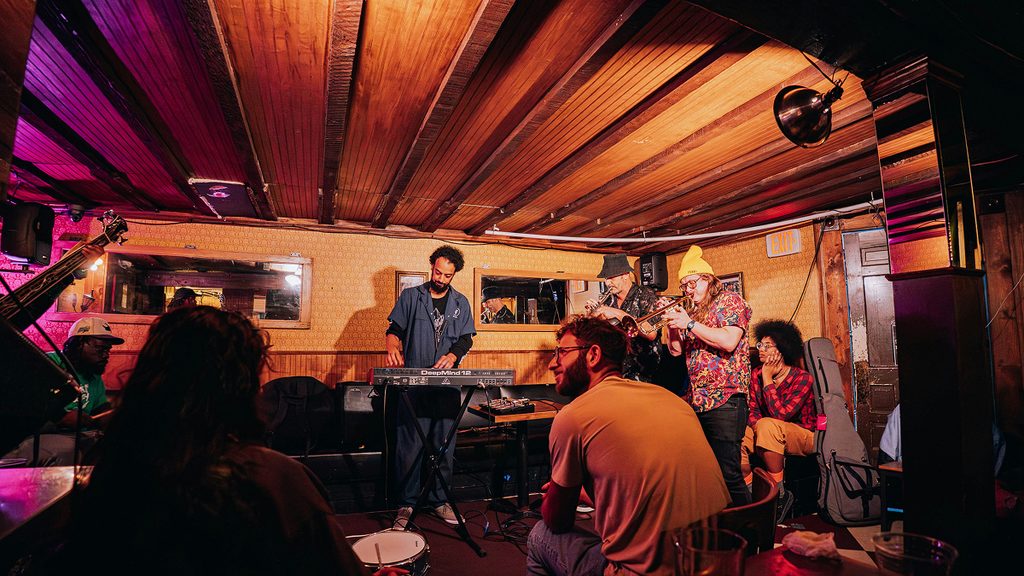
For a typical small room, ticket revenue is modest to begin with. Pollstar reported that venues with capacities of 750 or fewer averaged 278 tickets per show in the third quarter of 2025, down from 288 the year before and 299 in 2023, at an average ticket price of $34.74.
Multiply those figures and you get roughly $9,650 in gross ticket revenue for an average night, before the artist, the promoter, the ticketing company, and the performing rights organizations take their shares. Pollstar’s own conclusion was that fewer tickets sold means lower per-person spending for clubs that depend on ancillary sales, which is why per-head revenue deserves more of your attention than headline attendance.
The bar is the profit engine, and it is also the most fragile one.
First Avenue Productions CEO Dayna Frank has pointed out that most of the ticket price goes to the band, so venues essentially live on beverages. That model is under pressure. Club Congress in Tucson saw alcohol sales run about 25% lower at shows aimed at Gen Z crowds compared with shows for older audiences, and research from Berenberg suggests Gen Z drinks about 20% less alcohol than millennials did at the same age. The Mohawk in Austin reported that per-person alcohol sales fell after reopening, even among older audiences.
Any financial model that assumes a steady drinking crowd needs a stress test.
Operators are responding with pricing and policy innovation. City Winery, for example, introduced a $25 minimum spend per patron after its founder estimated that about 30% of attendees spent nothing beyond the ticket.
Larger operators see the potential too. Live Nation reports ancillary spending of more than $45 per fan at its U.S. amphitheater shows, which shows how much value sits in the per-head number when the experience is built around it.
Other revenue streams are where the smartest operators build resilience.
The Live Music Society, a nonprofit that supports small venues, notes that memberships, VIP experiences, sponsorships, merchandise, food, private rentals, and alternative programming are among the most successful additions.
Private events are especially attractive because the economics differ from your own shows.
With a rental, you collect a flat fee plus bar and catering minimums while an outside promoter carries the ticket risk. A dark Tuesday can become a corporate holiday party worth several thousand dollars. Treat your calendar the way an airline treats its seats, because every empty night is revenue that cannot be recovered.

Where the Money Goes: The Cost Side of the Ledger for a Music Venue
If revenue is uncertain, costs are relentless.
NIVA’s report found that venues expect nearly every major expense to rise, with Pollstar summarizing that artist and booking fees (60%), employees (58%), insurance (55%), alcohol (48%), rent (45%), maintenance (43%), performing rights fees (39%), and government taxes and fees (38%) were all expected to climb.
In plain terms, nearly every line of your profit and loss statement is under upward pressure at the same time. Meanwhile, nearly half of venues reported falling revenue while more than two-thirds saw operating costs increase.
Rent deserves special attention, because it is the cost most likely to decide your fate. Pollstar’s coverage of the club sector has put it bluntly: in a very real sense, the only safe club is one whose owners also own the real estate.
If you are investing capital, buying the building, or negotiating a long lease with renewal options and a purchase right, can matter more to your long-term return than any booking decision you make.
Other costs are less visible but just as real.
Performing rights licenses are a legal necessity. Insurance, security, and liquor liability coverage round out an overhead structure that must be covered every night the doors are open, whether or not the room fills.
If You’re An Entrepreneur, What Kind of Music Venue Should You Invest In?
Not all venues carry the same risk profile, and the right model depends on your capital, your market, and your tolerance for volatility. There is no universally best venue type, but the evidence favors flexibility over purity. Here is how the main models compare in practice.
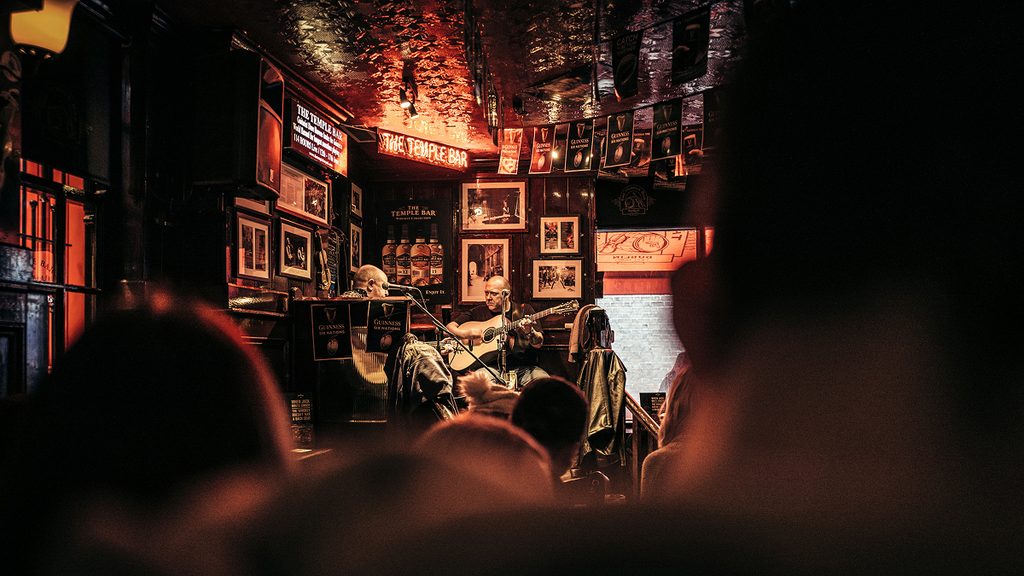
The small club (under 500 capacity) is the most common entry point and the hardest place to make money. Ticket revenue is capped by the room, and every cost increase hits hard. These rooms work best when they are heavily programmed, run lean, and supported by strong bar and rental income. If you choose this route, owning or controlling the building is close to non-negotiable.
The mid-size room (roughly 750 to 3,000 capacity) offers the most attractive economics for a growth-minded investor. These rooms can attract bigger acts, justify premium seating, and attract meaningful sponsorship. The top of the club market shows the potential:
Boston’s 5,009-capacity MGM Music Hall at Fenway sold 449,641 tickets for a gross of $27.7 million during one reporting period.
Live Nation’s pipeline points the same way, with ten new large venues of 3,000 capacity or more planned, and newer amphitheaters showing double-digit gains in food and beverage sales alongside sold-out premium seating. The tradeoff is higher build-out costs and more direct competition with the major promoters.
The hybrid venue blends music with another business, such as a restaurant, record store, or taproom. This model spreads risk across income streams that do not rise and fall together. In Los Angeles, the owner of Permanent Records described revenue split roughly 60% from the bar and 40% from record sales, with shows serving the larger business.
KCRW’s reporting also noted that DJ nights tend to drive higher bar sales than live performances, a reminder that programming choices change your margin profile.
The nonprofit or community-supported venue is a different answer to the same problem. Rolling Stone’s reporting highlighted how rooms such as the 100-capacity Parlor Room in Massachusetts converted to nonprofit status to access more income sources, including donors who can write off their support. This path suits entrepreneurs motivated by cultural impact more than financial return, and it is worth understanding even if you plan a for-profit venue, because it shows how much local goodwill can be worth.
For most first-time investors, our analysis points to a room in the 300 to 1,000 range, in a market with unmet demand, with a long-term lease or ownership stake, and a programming mix that includes private events and non-alcohol revenue.

How to Make a Music Venue Profitable
Profit in this industry comes from a sequence of small, disciplined decisions rather than one big idea.
The first is to manage the venue by per-head revenue rather than headcount. One operator-focused analysis offers a useful example: a night with 1,000 attendees and $8,000 in bar sales generates $8 per head, while a night with 600 attendees and $7,200 in sales generates $12 per head. The smaller night is more profitable per attendee.
Track bar spend by event, genre, and day of the week, and let that data shape which acts you book again.
The second is to separate your books by revenue stream. Many first-time owners dump everything into a single concert revenue account, which makes it impossible to tell whether the bar carried a show or a high guarantee wiped out the profit. Bookkeeping guidance for venues recommends tracking categories such as beer, wine, spirits, and non-alcoholic drinks separately so you can calculate pour and food costs every month. Clean data lets you spot a losing night in days rather than quarters.
The third is to build revenue that does not depend on the headliner.
That means selling memberships and early-access perks, offering premium upgrades, packaging sponsorships with local brands, and renting the room on dark nights. One analysis argues that operators should treat off-night rentals as core business rather than a bonus, because they stabilize cash flow against the unpredictability of the touring cycle. Add a credible non-alcoholic menu as well, since younger audiences are increasingly buying drinks without alcohol and you do not want to lose that spend.
The fourth is to negotiate your ticketing and promotion relationships carefully. The legal environment is shifting in venues’ favor. In March 2026, the Justice Department’s settlement with Live Nation reportedly capped exclusivity contracts with Ticketmaster at four years and required the company to let rival platforms like Ticketscene list tickets.
A jury later found that Live Nation had violated antitrust law through its monopoly power in primary ticketing, and a separate phase was set to determine remedies, so check for the latest rulings before you sign. Shop for ticketing software on fees, data ownership, and contract length, and keep your options open.
The fifth is to protect your relationship with the local community and artists.
A venue that builds a reputation for fair settlements, good sound, and a loyal audience attracts better touring acts and better local support.
Mistakes to Avoid When Investing in a Music Venue
The most common mistake is relying on one revenue stream.
Operators who bet everything on ticket sales or on a strong bar night are exposed to every shift in audience behavior.
The evidence from the past few years shows that bar spending, attendance, and ticket prices can all move against you at once. Resilient venues build income from tickets, drinks, food, rentals, memberships, and sponsorship, so that a weak month in one category does not sink the business.
The second mistake is underestimating the build-out and the runway. Soundproofing, accessibility upgrades, and code compliance routinely cost more than first-time owners expect. Opening with too little cash means any early shortfall forces compromises on staffing, booking, or maintenance, which then hurt the product you are trying to sell. Build in a generous contingency, then add to it.
The third is booking with your heart instead of your data. It is tempting to book the bands you love, but the register does not care about your taste. Review each show’s ticket sales, bar spend, and cost, and be willing to drop acts that consistently underperform, even if you admire them. Balance the calendar so that cultural bets are funded by reliable earners.
The fourth is neglecting your neighbors and regulators. Noise complaints, licensing disputes, and strained community relationships have closed more venues than most owners expect. Invest in sound control early, communicate with nearby residents, and keep your paperwork spotless. Those who ignore these relationships often discover that their biggest risk was never the competition.
The Right Mindset for Venue Investors
Think of yourself as a steward of a community asset first and an investor second.
The venues that last tend to be led by people who understand that their product is a culture as much as a calendar. At the same time, that devotion has to be paired with financial realism. Passion keeps you going at 2 a.m. on a Saturday, but only margin keeps the doors open on Tuesday.
Patience is the next essential trait. Even in the strongest scenarios, venues take years to mature.
Live Nation itself projects that newly opened venues need roughly three years to reach their run-rate returns. For a small independent operator without that balance sheet, the lesson is to commit patient capital and avoid leverage that leaves no room for a slow ramp. Measure success in two- and three-year windows rather than single quarters.
Finally, respect operational excellence.
Good venues are built by good people: a talented talent buyer, a sharp general manager, reliable production staff, and a bar team that understands hospitality.
A venue is only as good as the people who run it. If you are an investor rather than a hands-on operator, your most important decision may be who you hire to run the room, and how you align their incentives with yours.

Build A Profitable Music Venue With the Right Strategies, Mindset, and A Little Luck
So, is investing in a music venue profitable? Yes, but only for investors who treat it as a real business with real risks.
The data is sobering: roughly two-thirds of independent U.S. venues were unprofitable in 2024, more than half of UK grassroots venues made no profit in 2025, and even the global leader earns a thin margin on the concerts themselves.
The same data also shows where the opportunity lies, in ancillary spending, sponsorship, premium experiences, private events, and control of the real estate.
If you decide to move forward, start with a market-tested concept, secure your location and licenses before you build, and fund a long runway. Manage the business by per-head revenue, diversify your income, and keep your ticketing and promotion options open as the legal landscape evolves. Above all, bring the patience and humility that this industry demands.
Done well, a venue can deliver both a respectable return and something rarer: a room that matters to the people who walk through its doors.