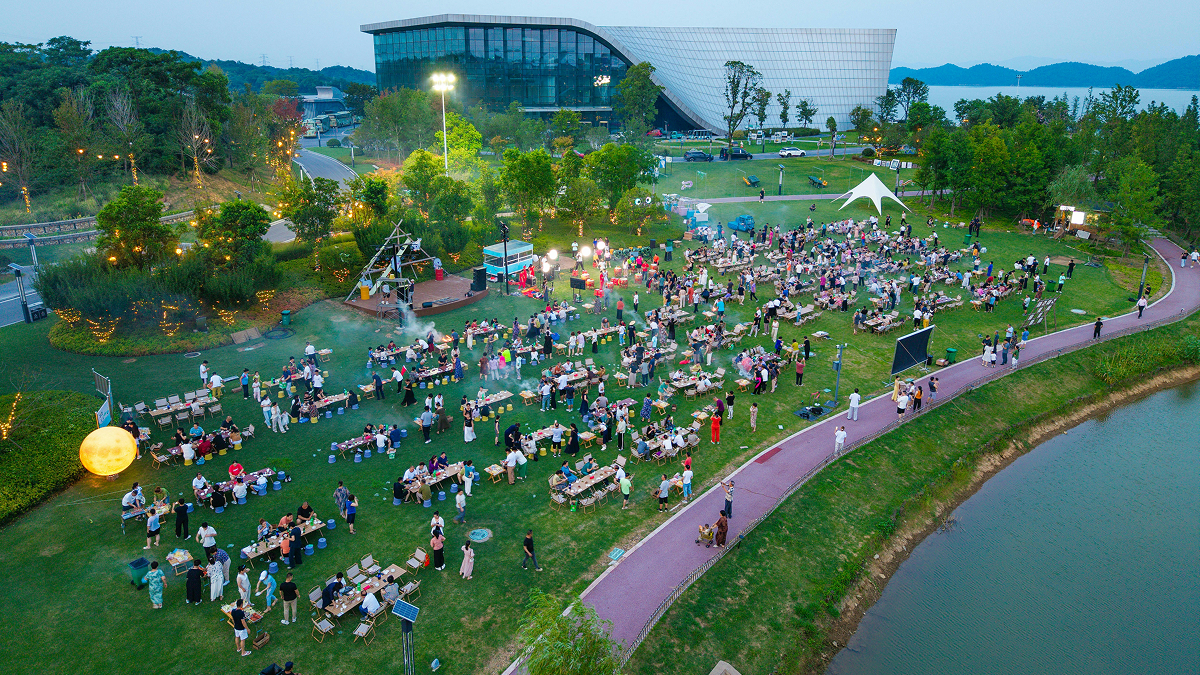
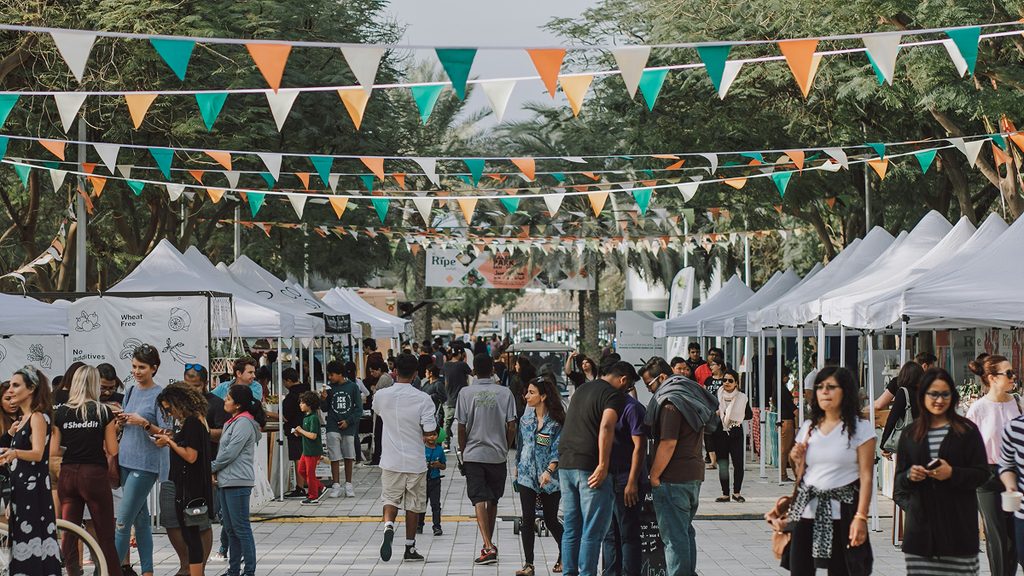
Picture a Saturday morning when a quiet stretch of sidewalk turns into a farmers market, a park fills with folding chairs and food trucks, or a school gymnasium becomes the site of a neighborhood talent show.
None of that happens by accident. Behind every successful community event, whether it draws 100 neighbors or several thousand visitors, sits an organizer, or a small team of them, who made dozens of decisions correctly, usually months before the first guest arrived.
Over half of Canadians say attending local events makes them feel more connected to the people and places around them, and that single statistic explains why so many neighborhoods, main street associations, and civic groups keep investing time in bringing people together in person.
This guide walks through exactly what it takes to plan, promote, run, and evaluate a local community event from the ground up.
Whether you’re organizing your first block party or you’ve run a handful of festivals and want to tighten up your process, the fundamentals stay the same. Purpose, budget, permits, people, promotion, and follow-through are the six pillars that hold up any local gathering, and skipping even one of them tends to show up as a problem on event day.
Why Community Events Are Worth the Effort
Bring people outside their front doors for an afternoon, and something happens that advertising and social media simply cannot replicate. Local events, small ones especially, let neighbors meet face to face, let small businesses put a product directly in someone’s hand, and let a place feel like it genuinely belongs to the people who live there.
Urban planning research on placemaking has found that neighborhoods with regular public gatherings tend to see stronger social cohesion and more foot traffic for nearby shops, with some documented cases showing a measurable bump in local spending during the event window itself.
The scale doesn’t need to be dramatic to matter, though the upper end of the spectrum shows what’s possible.
Grand Rapids, Michigan’s ArtPrize competition, held annually since 2009, illustrates what a temporary public event can do at a larger level: during one 19-day run, the event drew the city’s population from roughly 189,000 residents to nearly 300,000 visitors and generated an estimated $15.4 million in immediate economic impact that year.
A neighborhood-scale event will never produce numbers like that, but the underlying mechanism, giving people a temporary reason to show up somewhere, spend money, and meet each other, is exactly the same one that makes a 300-person block party worthwhile for the businesses lining that block.
Micro-events have actually been outpacing larger gatherings lately, with industry trend research showing smaller, local-format events growing attendance by roughly 23% year over year as people look for lower-commitment ways to connect with their community.
There’s also a momentum effect worth noting for anyone weighing whether an event is worth the labor. About 40% of event organizers surveyed heading into next year said they plan to host more events than the year before, and more than half of attendees say they intend to attend more in-person gatherings going forward.
Community events are becoming a deliberate, repeatable part of how neighborhoods, schools, and small nonprofits build relationships and, frequently, raise money.
Start With Purpose: Define Your Goal and Audience Before Anything Else
Every planning decision downstream, budget, venue, marketing, staffing, gets easier once you can answer one question in a single sentence: what is this event actually for?
A back-to-school block party has a different purpose than a fundraiser for a playground renovation, and a goal that stays vague, something like “bring the neighborhood together”, makes it much harder to pick a venue, set a budget, or write marketing copy that gives people an actual reason to show up. Write the goal down, share it with your planning team, and use it as the filter for every decision that follows.
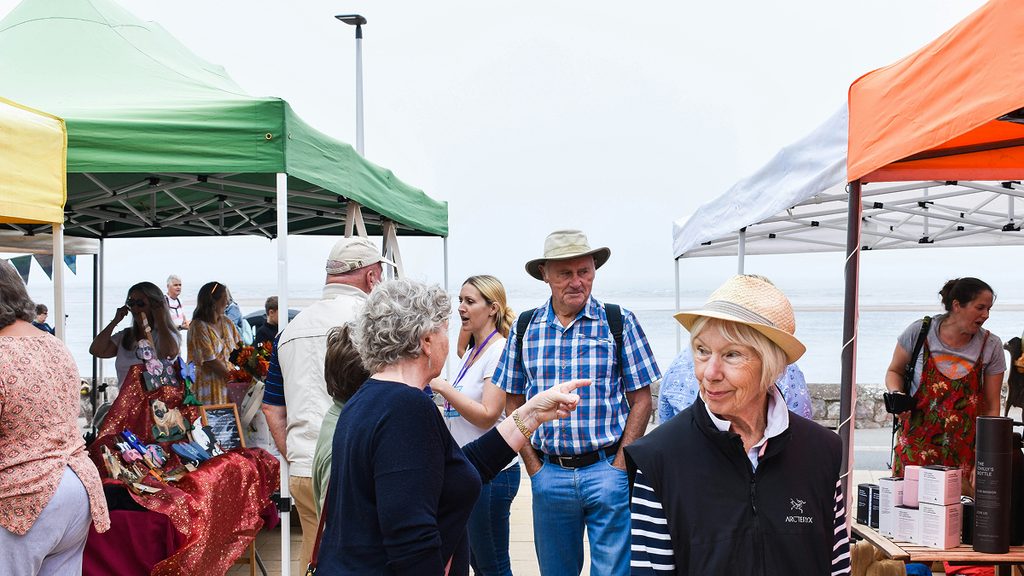
Once the goal is clear, get specific about who you’re inviting and how many people you realistically expect. A block party aimed at families on three streets behaves nothing like a citywide arts festival aimed at drawing visitors from across the metro area, and the honest answer usually sits somewhere between “everyone” and a narrower, more useful description, such as young families within walking distance, downtown office workers on their lunch break, or dog owners who use the same park daily.
Attendance forecasting matters more than most first-time organizers expect, because it drives decisions on permits, insurance limits, restroom counts, parking, and how much food and beverage to order. Experienced local planners typically build that estimate by looking at comparable past events or historical turnout from a recurring gathering rather than guessing at a round number.
Finally, decide early whether the event needs to break even, raise money, or is fully absorbed as a cost by a sponsor, city budget line, or civic association.
That single financial decision shapes whether you need vendor fees, ticket sales, a suggested donation, or sponsorship revenue, and it should be settled before venue and vendor conversations even begin.
Build a Realistic Budget for Your Community Event and Find the Money to Fund It
A community event budget needs to cover more than the obvious line items.
Venue or park permit fees, insurance, portable restrooms, waste removal, signage, sound equipment, security or off-duty police details, first aid coverage, entertainment or activity costs, and printed materials all belong on the list before a single dollar gets spent.
Organizers who skip this exercise tend to discover the gaps only after they’ve already committed to a date, which is the most expensive time to find them.
A good rule for first-time organizers is to build the full budget and then add a contingency line of 10 to 15% on top, because weather changes, vendors cancel, and permitting offices occasionally require an upgrade nobody anticipated, like additional fencing or a second fire extinguisher station.
Funding a local event rarely comes from one source. Many organizers blend a small registration or vendor fee, a modest allocation from the municipal parks department or a community development grant, and sponsorship dollars from local businesses that want visibility with a nearby audience.
More than 52% of business leaders now say events deliver stronger marketing ROI than any other channel they use, which makes a well-built sponsorship pitch, one that specifies exactly what a $250, $500, or $1,000 sponsor gets in signage placement, social media mentions, or table space, a genuinely persuasive ask rather than a favor.
In-kind donations count just as much as cash. A local print shop covering banners, a grocery store donating water, or a nearby restaurant supplying morning coffee all reduce cash spend while giving those businesses visible, low-cost community goodwill.
Lock Down Your Venue, Event Permits, and Insurance Early
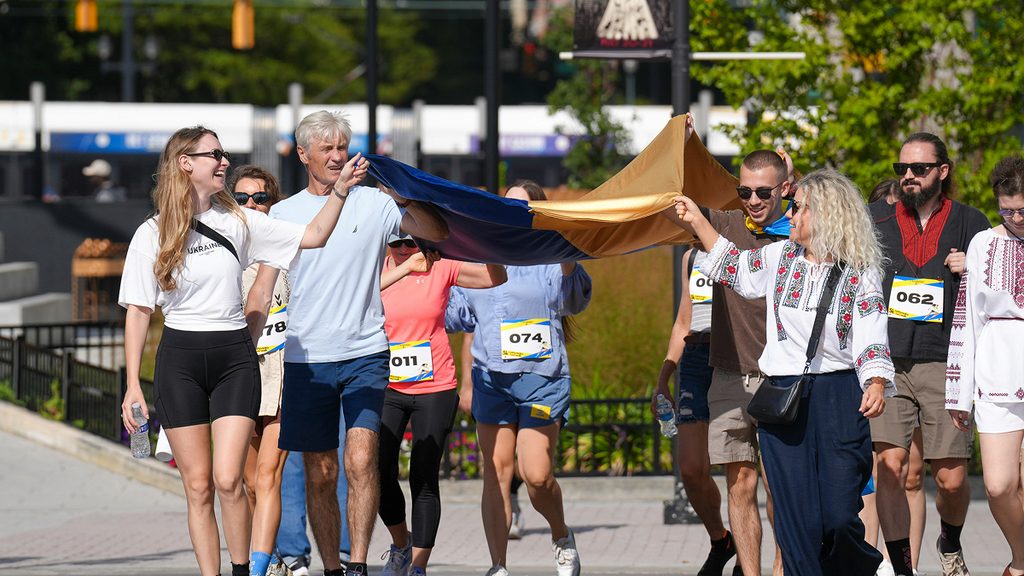
Venue selection for a local event usually comes down to a short list: a public park, a closed-off street, a school field, or a private lot offered by a sponsoring business.
Whichever one you choose, assume that any gathering on public land, and many gatherings on private land depending on local code, will require a special event permit from the city or county, and that the approval process typically needs to start 30 to 60 days before the event date. Permitting offices generally want to know your expected headcount, the layout of tents, stages, and vendor booths, your plan for parking and traffic flow, and whether alcohol, amplified sound, or a road closure is involved, because each of those triggers a separate review from a different department, often the fire marshal, police, or health inspector.
Insurance is the piece organizers most often underestimate. Most municipalities require a certificate of general liability insurance naming the city or parks department as an additional insured before they’ll finalize a permit, and the required coverage scales with your event’s footprint.
A small gathering confined to city park land commonly needs around $1 million in per-occurrence coverage, while an event that closes major public streets can require $5 million to $10 million in combined limits. If your organization doesn’t already carry a policy that extends to public events, single-event liability policies are available through most major insurers and typically cost far less than first-time organizers expect for a one-day, moderate-sized gathering.
Give yourself a buffer for the paperwork itself. Permitting staff routinely point to incomplete applications, missing insurance certificates, unclear site maps, or vague vendor lists, as the top reason approvals get delayed, so a complete application submitted early consistently beats a perfect application submitted late.

Build Your Team and Recruit Event Management Volunteers Who Actually Show Up
No organizer runs a community event alone, and trying to is the fastest route to burnout before the event even starts.
Break the work into clear roles early: a logistics lead who manages site layout and vendor check-in, a volunteer coordinator, a marketing lead, and a day-of point person who isn’t also trying to staff a booth themselves.
Assigning a single decision-maker for problems that come up on event day matters more than it sounds like it should, because when three different volunteers all think they’re the one who can approve a request, small problems turn into slow ones very quickly.
Volunteer recruitment has actually gotten easier over the last few years. Formal volunteering rates in Canada jumped from 23.2% in 2021 to 28.3% in 2023, the fastest two-year increase on record, and millions volunteered formally during that period, meaning the pool of people willing to help is larger than it’s been in a decade.
Local businesses are part of that shift too, with a large majority reporting increased workplace volunteering programs, so reaching out to nearby employers for a group of volunteers is a reasonable ask rather than a long shot.
The harder part isn’t recruitment, it’s retention: sector-wide, volunteer programs report an average return rate of around 65%, and the programs that beat that number consistently give volunteers specific, well-defined tasks, clear training before the shift begins, and a genuine thank-you afterward that references what that person actually did rather than a generic message blasted to the whole list.
Get the Word Out for Your Community Event: Marketing Your Event Locally
Promotion for a neighborhood or citywide community event works differently than promotion for a national brand campaign, mostly because your addressable audience is small and geographically concentrated, which is actually an advantage if you use it well.
Organic social media remains the single most effective promotion channel for events, and email marketing follows closely behind it, cited by industry researchers as roughly 89% as effective as social media at driving registrations and turnout.
That combination, a public-facing social presence plus a direct email or text list, covers both people who’ve never heard of your organization and people who already have a relationship with it.
Local-specific channels deserve just as much attention as national platforms. Community Facebook groups, neighborhood apps, local subreddit communities, church and school bulletin boards, and physical flyers at coffee shops and libraries still convert well for hyper-local audiences, particularly among attendees who may not discover events through Instagram or TikTok.
That said, don’t skip younger audiences entirely: roughly 30% of Gen Z say they specifically use TikTok to discover events, so a short video walking through what to expect, parking, food vendors, kids’ activities, can pull in a demographic that a printed flyer never will.
The average number of marketing channels event promoters use has nearly doubled in just a few years, climbing from under five channels in 2022 to closer to ten by 2024, which suggests relying on a single platform is no longer a safe promotional strategy even for a small, local event.
Give your marketing a proper runway. Start announcing the date and general concept at least six to eight weeks out, ramp up with specific details, vendor lists, schedules, parking information, around three to four weeks before, and push a final reminder in the last week that includes day-of logistics like where to park and what to bring. Partnering with a few local businesses to cross-promote, where they post about your event and you mention them as a sponsor, extends your reach into networks you don’t already have on your own.

Your Community Event Planning Timeline: What to Do and When
Most local organizers underestimate how early planning needs to start, and the exact timeline shifts depending on event size, but a useful default for anyone planning a gathering of a few hundred to a few thousand people is to begin at least twelve weeks out.
In that first stretch, lock the date, confirm the venue, and submit your permit application, since permitting is usually the longest lead-time item and the one most likely to force a date change if it’s delayed past its window.
Somewhere around eight weeks out, finalize your budget, confirm sponsorships, and start reaching out to vendors, entertainers, or activity partners so they have enough time to plan their own logistics around your date.
The middle stretch, roughly weeks four through six, is when marketing should ramp up and your volunteer roster should start taking real shape, because people need enough notice to actually clear their calendar for a shift. In the final two weeks, confirm every vendor and volunteer by phone or text rather than assuming an earlier email confirmation still holds, walk the physical site to check for anything that’s changed, construction, new tree growth, drainage after recent rain, and print your day-of materials, including signage, schedules, volunteer assignment sheets, and an emergency contact list.
That final week is also when a detailed run-of-show document, essentially a minute-by-minute schedule listing who’s responsible for each task, becomes the single most useful thing you can hand your team.
Running A Community Event and the Responsibilities: Execution on the Big Day
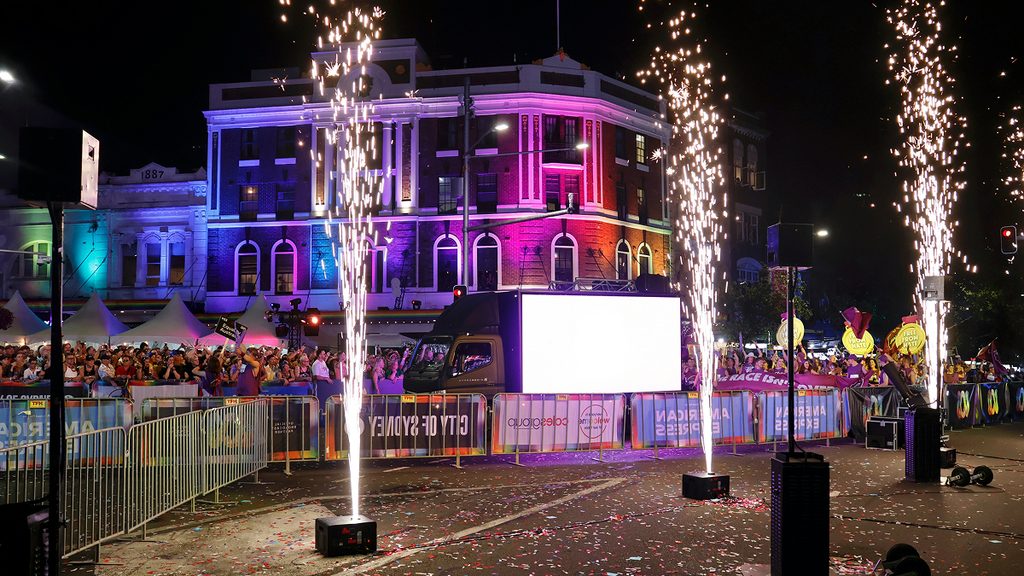
Everything up to this point exists to make event day boring in the best possible way.
Arrive with enough time for setup that doesn’t feel rushed, generally two to three hours before doors open for a mid-sized event, and hold a short team huddle before the public arrives so every volunteer knows their role, their break schedule, and who to call if something goes wrong.
A single point of escalation for problems, one person volunteers can find quickly when something unexpected happens, prevents small issues from turning into visible ones in front of your guests.
Check-in and entry deserve more attention than most organizers give them. A line that backs up onto a sidewalk or blocks an accessible entrance creates a bad first impression before a guest has seen anything else the event has to offer, so clear wayfinding signage, a printed backup list in case technology fails, and enough queue space for strollers and wheelchairs all matter more than they might seem to on paper.
Accessibility, broadly, is worth treating as an operational requirement rather than a box to check: can someone enter, hear announcements, find a place to sit and rest, and ask for help without confusion? If the honest answer is mixed, that’s worth fixing before the next event, even if this one is already underway.
Throughout the day, someone on your team should be capturing what’s actually happening rather than what was planned. Note where lines formed, what confused people, which signage got ignored, and what ran long or short on time, because that record becomes the single most valuable input for improving the next event you run.
After the Event: Measuring Impact of Your Community Event and Keeping the Momentum
The work isn’t finished when the last vendor packs up.
Sending a post-event survey within 24 to 48 hours consistently produces the highest response rates, because attendees still remember specific details and haven’t mentally filed the event away yet; waiting even a week measurably drops how many people respond and how detailed their feedback ends up being.
Keep the survey short, ten questions or fewer is a widely cited sweet spot, so it takes a few minutes rather than feeling like homework, and always include at least one open-ended question that gives people room to say something you didn’t think to ask about directly.
Thank your volunteers and sponsors specifically, not generically. A message that references what someone actually did, something like thanking a volunteer for running check-in for three hours and handling a parking issue smoothly, performs far better at building a returning volunteer base than a mass email sent to everyone on the list, and it costs almost nothing beyond a few extra minutes of attention.
Sponsors deserve a short recap too: a one-page summary showing attendance figures, social media reach, and a photo or two of their signage or table gives them something concrete to justify next year’s sponsorship internally to their own leadership.
Finally, hold a debrief with your core team while the event is still fresh, ideally within a week of the event itself. Walk through what worked, what created bottlenecks, and what you’d change about the budget, the timeline, or the marketing mix, and write it down somewhere your team can actually find it again next year.
Community events tend to improve steadily over multiple years specifically because organizers who capture this kind of institutional memory stop repeating the same avoidable mistakes, and that compounding improvement is often the real difference between an event that fizzles out after two years and one that becomes a genuine neighborhood tradition.
Will You Be the Event Organizer that Carries Your Community’s Next Big Event?
Organizing a community event, at any scale from a hundred neighbors gathered in a park to several thousand people spread across a closed-off Main Street, comes down to the same disciplined sequence: get clear on purpose, build a budget with room for surprises, lock permits and insurance early, build a team you can actually rely on, promote across more channels than feels necessary, and close the loop with real feedback once it’s over.
None of that requires a massive staff or a professional events background. It requires starting early, writing things down, and treating each event as one data point in an ongoing series rather than a one-time performance.
The neighborhoods and organizations that keep doing this, year after year, tend to be the ones where a Saturday afternoon really does turn a stretch of sidewalk into something that feels like a shared place, and that’s worth every hour of spreadsheet work it takes to get there.