For the fan, a meet-and-greet is the story they will tell for years. For the organizer, it is a product with a dozen failure points and no second take. Here’s our playbook for building one that sells: a session fans want, artists accept, and the budget can support.
What Is a Meet-and-Greet?
A meet-and-greet is a ticketed session in which fans spend a short period with a performer or guest — usually for a photograph, an autograph, or a brief conversation. Organizers sell it as a standalone pass, an add-on to a ticket, or part of a VIP package, with a fixed capacity, a time window, and terms agreed with the artist.
The format began as a fan-club perk, a freebie for the most loyal buyers. It became a revenue product when promoters realized the underlying economics: the artist’s time is the scarce resource, the capacity is fixed, and demand from devoted fans consistently outruns supply. Once that was clear, the session stopped being a favor and started being a line item.
What separates it from an ordinary ticket is the promise. A concert ticket promises entry to a room. A meet-and-greet pass promises proximity to a person, at a specific time, under specific conditions. Every dispute in this business traces back to a gap between what was promised and what was delivered, which is why the rest of this guide is about closing that gap before anything goes on sale.
It is worth saying what a meet-and-greet is not. It is not unstructured time with the artist, it is not a backstage pass, and it is not a guarantee of conversation. The product is a defined interaction, delivered on schedule, and buyers who understand that boundary enjoy the session more than buyers who expected an open-ended hangout.
Pick the Format That Fits the Event
The format decision shapes everything downstream: price, staffing, space, and the artist’s willingness to agree. There are four standard formats, and most sessions are a variation on one of them.
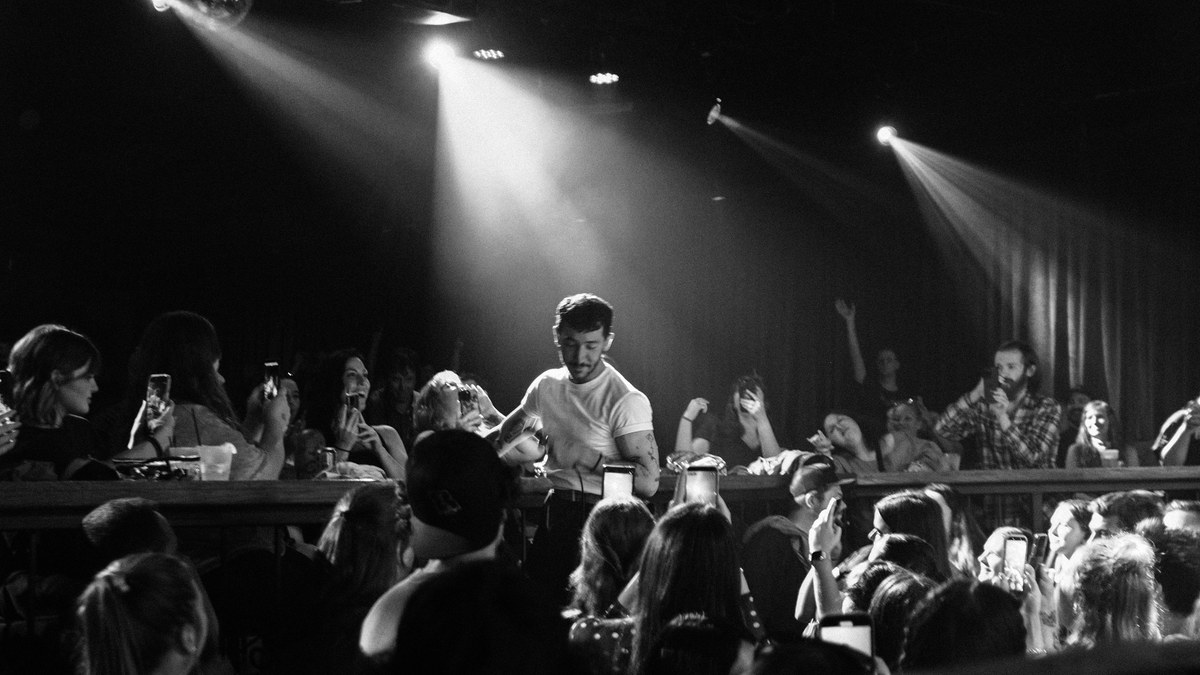
The photo line is the workhorse. Fans move through in small timed groups, pose once with the artist, and exit. It suits conventions and festivals, where volume matters and the venue needs hundreds of fans processed in an hour. Conversation is minimal by design; the product is the picture.
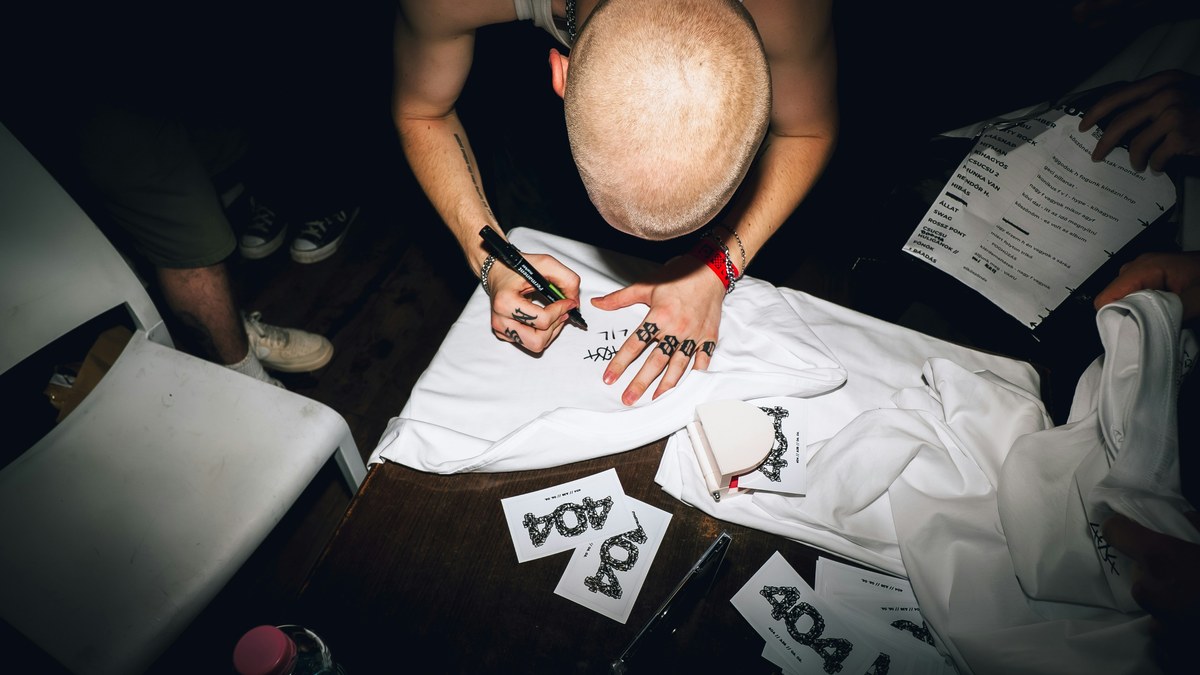
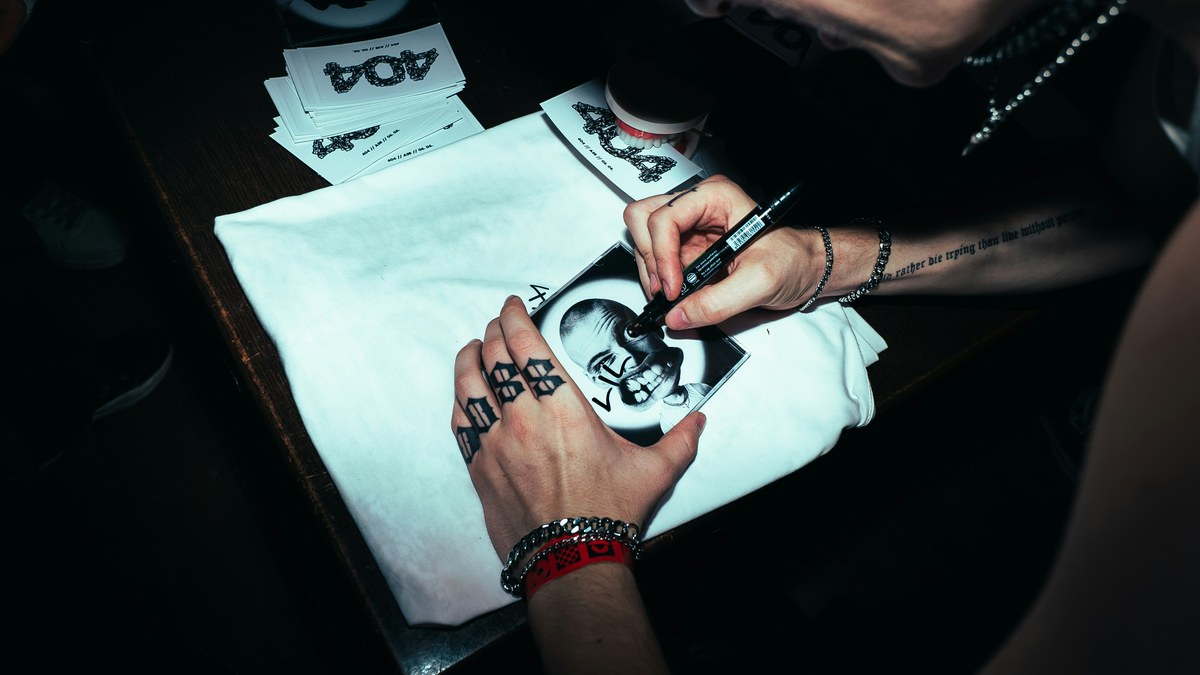
The autograph signing is a separate product with a different pace. Fans bring an item or receive a printed photo, the artist signs, and the line moves. It runs slower than a photo line because each interaction is less predictable, so capacity must be set lower for the same time window.
The small-group session suits clubs and theatres. Five to ten fans at a time spend a few minutes with the artist — a brief chat, a group photo, sometimes an acoustic song. It feels premium because it is scarce, and it commands a higher price per head than the photo line.
The bundled experience wraps the meeting in something more: watching part of soundcheck, a short question-and-answer, a backstage tour. These sell well because the fan gets a story beyond the photo, but they are the hardest to operate, since they depend on the production schedule cooperating.
Choose the format from three inputs: how many fans will realistically buy, how much time the artist will actually give, and what the venue can physically hold. When in doubt, start with the simplest format the artist will accept. A smooth photo line beats an ambitious bundle that falls apart, and you can add layers once the operation runs cleanly.
Lock Down the Artist Agreement First
Nothing goes on sale until the artist has agreed in writing. This is the rule that prevents the most expensive mistakes in the business, because an announced meet-and-greet the artist never approved is a refund crisis wearing a marketing campaign.
The agreement should fix the session length and the maximum number of fans, not as estimates but as hard numbers. It should spell out exactly what the interaction includes: photograph, autograph, brief conversation, or some combination, along with any boundaries the artist requires. Physical contact policies, gift acceptance, and whether personal items can be signed all belong in writing before the first pass sells.
It should also settle when and where. A session before the show competes with soundcheck and doors; a session after the show competes with the artist’s exhaustion and the venue’s curfew. Neither is wrong, but the choice changes staffing, and the artist’s team should make it deliberately rather than discovering the conflict on show day.
The agreement should also name who attends. For bands and groups, it should say whether every member appears or only some, because fans buying a pass with a five-piece band in mind will feel misled by two.
Money terms need equal precision, since some artists charge a flat fee for the session, some take a percentage of meet-and-greet revenue, and some fold it into the broader performance fee. Whatever the structure, the agreement should also say who hires and pays the photographer, who owns the resulting images, how the photos may be used, and whether the artist approves the backdrop and any branded merchandise in frame.
Finally, write the failure clause now. If the artist cannot attend, the agreement should say whether buyers get a refund, a rescheduled session, or a partial credit, and who absorbs the cost. A sentence written calmly in advance is worth a week of dispute resolution later, and it feeds directly into the terms printed on the ticket.

Price the Pass With Real Costs and Real Benchmarks
Price should come from two directions at once: what the session costs to deliver, and what fans in that market will pay. Organizers who price from only one direction either leave money on the table or set a price the market rejects.
Start with costs, beginning with the artist’s fee or revenue share, usually the largest line, followed by the photographer, additional security and check-in staff, printing for wristbands or credentials, and any merchandise bundled into the pass. Facility and ticketing fees apply on top, and they are easy to forget until they erase the margin. Add a contingency for the session running long, because artist time overruns are a cost whether or not anyone invoices them.
Then check the market by looking at what comparable artists charge for comparable access in comparable rooms, and anchor the pass against the general admission ticket. A pass priced at two to three times the GA ticket reads as premium without reading as extortionate; a pass priced at ten times GA needs a genuinely extraordinary experience behind it. The ratio matters more than the absolute number, because fans judge the price against the night they are already buying.
To see how the two directions meet, consider a simple illustrative example in which the session costs $2,000 to deliver all-in and the room can move 80 fans through in the contracted window. The break-even is $25 per pass before fees, so pricing at $75 leaves a healthy margin even if only two-thirds of passes sell. That is the math to run before choosing a price, not after: capacity times realistic sell-through, measured against fixed costs.
Resist the urge to discount early. A meet-and-greet is a fixed-capacity product, so every discounted pass displaces a full-price buyer rather than creating a new one. If sales stall, the problem is usually awareness or the offer itself, not the price, and cutting the price trains buyers to wait for the next cut.
Set Capacity Using Minutes, Not Hope
Capacity is arithmetic, not optimism, so take the contracted session minutes, subtract a buffer for the artist starting late, and divide by a conservative estimate of minutes per fan. The result is the maximum number of passes to sell, and selling past it is the single most common way these sessions fail.
Be honest about the per-fan number. A posed photo with no conversation moves quickly; a signing with personalization moves slowly; anything involving a chat moves slowest of all. Time the format at a rehearsal if possible, and if that is not possible, estimate high. Promoters who guess low on minutes per fan end up choosing between cutting the line short and keeping the artist past the contracted time, and both options cost money or goodwill.
Build the buffer into the schedule, not into wishful thinking. Artists run late for reasons ranging from traffic to a long soundcheck, and a session planned with zero slack has already failed before the first fan arrives. Ten to fifteen minutes of buffer on a one-hour session is not pessimism; it is the difference between a delay nobody notices and a line of angry buyers.
Never sell the theoretical maximum, but hold back a small reserve for operational needs: a contest winner, a guest of the artist, a buyer whose pass failed to scan. A session that sells out at ninety-five percent of theoretical capacity runs smoothly; a session sold to one hundred percent has no room for anything to go slightly wrong, and something always goes slightly wrong.
Build the Ticket Product Correctly
The ticket page is a contract, and buyers will hold you to every word of it. Write it with the precision of one.
State exactly what the pass includes. Photograph, autograph, merchandise, early entry, the show ticket itself — each item named or explicitly excluded. The most frequent source of day-of arguments is a buyer who assumed the pass included the concert ticket when it did not, or assumed an autograph was included when only a photo was. Remove the ambiguity in the event page and the argument never happens.
Describe the mechanics so buyers know they will check in by name against photo ID, what time to arrive, which entrance to use, and what credential they will receive. A separate entrance and a staging area away from the general admission line are not luxuries; they are how you keep two crowds with different expectations from mixing.
Print the terms where the buyer cannot miss them. The arrival window, the no-refund conditions, the artist-substitution clause, and what happens if the session is cancelled should appear before purchase, not in a confirmation email. Clear terms do not eliminate complaints, but they shorten every dispute that follows, including chargebacks.
Keep the product simple enough to explain in one breath. If the pass needs three paragraphs of caveats to describe, the offer is too complicated, and complicated offers generate support tickets. One format, one price tier or two at most, one clear list of inclusions.
Staff the Floor Like a Production
A meet-and-greet compresses a full event’s staffing needs into a small space and a short window. Understaffing it is a false economy, because every bottleneck happens in front of paying customers.
Check-in staff own the first impression. They verify names against the list, check photo ID, distribute wristbands or lanyards, and direct buyers to the staging area. This role needs enough people that no buyer waits more than a few minutes, since a slow check-in backs up everything behind it.
Queue managers own the flow, grouping fans, controlling the pace into the photo area, and keeping the line from bunching or stalling. This is a customer-service role disguised as crowd control: the best queue managers keep fans entertained and informed, so the wait feels like part of the experience rather than a delay.
The photographer owns the product, so hire a professional, brief them on the shot list and the backdrop, and confirm the delivery timeline for photos before the session. Blurry, poorly lit, or late photos turn a successful session into a failure in the buyer’s memory, because the photo is the only part of the night that lasts.
The artist handler owns the schedule. This person stays with the artist, manages the pace of interactions, enforces the hard stop with diplomacy, and solves problems before they reach the artist. A good handler is invisible to fans and indispensable to everyone else.
Security and the artist liaison complete the team. Security holds the perimeter and manages anyone without a credential; the liaison is the single point of contact with the artist’s team, so instructions do not arrive from five directions at once. Brief every role together before doors, with the schedule, the hard stop, and the escalation path stated out loud.
Schedule the Session and Shape the Room
Timing and layout decide whether the session feels premium or chaotic, and both should be planned around the artist’s real day rather than the marketing copy.
Pre-show sessions capture the artist fresh and let buyers enjoy the concert afterward with their photo already in hand. They compete directly with soundcheck, load-in, and doors, so they demand precise coordination with the production manager and a hard end time the whole building respects.
Post-show sessions avoid the production conflict but inherit the artist’s fatigue and the venue’s curfew. They suit artists who feed off the crowd and venues with flexible closing times. Festival settings usually default to post-set, when the performer has wound down and the production pressure is off.
Soundcheck-format sessions deserve special care. Fans on the floor during technical work need the production manager’s explicit approval, the room must be cleared and re-secured before public doors, and the artist’s team should decide in advance whether fans see a live song or only the technical run-through. Promise a window, not a minute, and state plainly that the crew controls the timing.
Lay out the room as a one-way flow. Entrance to check-in to staging area to photo position to exit, with no doubling back. Place the backdrop where lighting can be controlled — window light is flattering until it blows out the photo — and keep merchandise or autograph tables past the photo position so they do not slow the line. Every step the fan takes should move them forward.
Promote It to the Fans Who Will Actually Buy
A meet-and-greet does not sell to the general public; it sells to the most devoted slice of the audience, so market to them first.
The artist’s email list and fan club are the highest-converting channels, followed by the venue’s own list and the artist’s social channels. Announce to these audiences before spending on broad advertising, because a fan who has streamed every album needs less convincing than a stranger who has not. If the artist will post about the session personally, that single post routinely outperforms a week of paid promotion.
Time the announcement deliberately, since releasing passes alongside general admission captures buyers at peak excitement, while releasing them later, once the show is selling well, lets scarcity do the work. Either approach works, but the choice should be intentional, and the artist’s team should agree to it in advance.
If sales stall, resist the discount reflex and diagnose instead. Slow sales usually mean the offer is not reaching the right fans, the inclusions are not compelling, or the price misreads the market, and each of those has a fix that does not involve training buyers to wait for a cut. Adding a small inclusion or tightening the announcement almost always outperforms a price drop.
The sales page carries the close. It should state the time window rather than a precise minute, list every inclusion, link the full terms, and set the expectation that the artist’s schedule governs the day. Buyers who know exactly what they are getting complain less and recommend more.
Prepare for Delays, Cancellations, and Refunds
Hope is not a contingency plan. Write down what happens when the day goes wrong, before it does.
If the artist runs late, communication is the product. Tell waiting buyers what is happening, give a revised window, and keep updates coming. Fans tolerate delays far better than silence, and a staff member with honest information defuses more anger than any policy. Offer something concrete for a significant delay — a merchandise credit, a partial refund, a rescheduled photo — because goodwill purchased cheaply in the moment is cheaper than the chargeback later.
If the session is cancelled outright, the terms you printed at purchase now govern everything. A full refund is the cleanest option and the one buyers expect; a rescheduled session works only if the new date is real and communicated fast. Whatever the policy, execute it quickly, since slow refunds generate the disputes that fast refunds prevent.
Cancellations also have a cost structure. The photographer, the extra staff, and the printing are spent whether or not the session happens, and the artist agreement should say who absorbs what. This is the clause from the contract section earning its keep.
Set up the day-of communication chain before anyone arrives. The liaison talks to the artist’s team, the handler talks to the liaison, and one designated staff member talks to the buyers, so information flows in one direction and rumors never fill the gap.
Document everything by keeping the check-in list, the timing log, and any incident notes, because the occasional buyer will dispute a charge weeks later claiming the session never happened. Records turn a painful chargeback fight into a routine one, which is the cheapest insurance in this business.
Ready to Put Fans Face to Face With the Artist?
A meet-and-greet that sells is not complicated, but it is exacting. The agreement protects both sides, the capacity math sets an honest limit, the ticket page promises only what the operation can deliver, and the staff on the floor makes the short window feel effortless.
Start with the artist conversation, because nothing else matters until the session exists on paper. Price from your costs, set capacity from your minutes, and sell the window honestly. Do those things and the session becomes what it should be: the story fans tell for years, and the line item that makes the night. The organizers who treat it with that seriousness are the ones still selling passes years later.