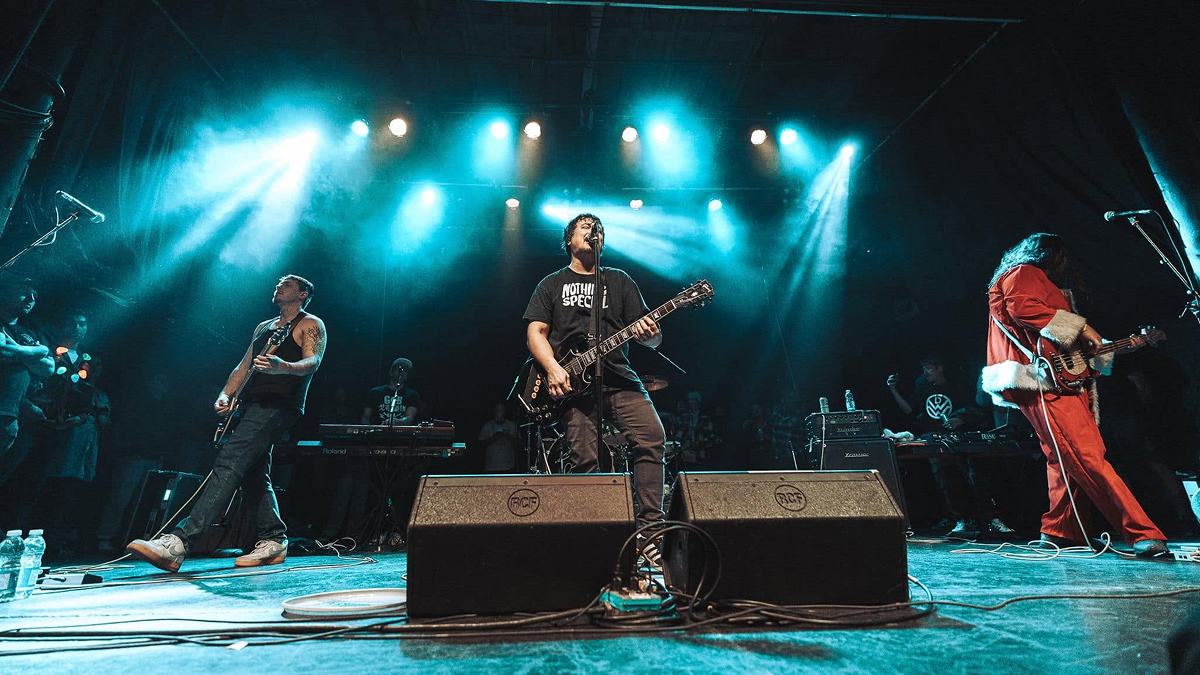
In the summer of 2004, a Mississauga band with no slot on the bill set up beside a line of fans outside the Vans Warped Tour in Barrie, Ontario, plugged into a generator and played for ninety minutes.
Twenty-two years later, that band, illScarlett, was billed at Vans Warped Tour Montreal on the same lineup as Sublime, the California group whose sound it has spent a career being compared to.
Between those two festival appearances sits one of the more unusual Canadian rock stories of the last quarter century: a gold record, a Juno nomination, a number one on MuchMusic, a falling-out with a major label, a long stretch of near-silence in which the band never officially split, and a return to independence that has now produced five new singles.
In 2026 the band is celebrating twenty years of EPdemic, the EP that launched its major-label years, and it is doing what it has always done: playing its own songs, loudly, for rooms full of people who know the words.
Two School Friends and a Stolen Street Sign
illScarlett formed in 2001 in Clarkson, the Mississauga neighbourhood where drummer Swavek Piorkowski and singer-guitarist Alex Norman met at Iona Catholic Secondary School. They had already played in other bands together by the time they decided to build something around a shared obsession with Sublime.
Norman has recalled trading CDs with Piorkowski in those days, swapping Nirvana, Silverchair and the Deftones, but it was reggae, and Sublime in particular, that made the project feel like more than a school-friend hobby. In its earliest form the group was close to a Sublime cover band.
The rest of the lineup arrived by accident. Norman was working in a skateboard shop at a local mall when he approached a customer, Daniel Krolikowski, convinced he was Jason “Cone” McCaslin of Sum 41. He was wrong, but Krolikowski turned out to play bass, and the three began jamming together. Guitarist Will Marr and turntablist Pat Kennedy followed.
For the band’s first show, at Toronto’s Horseshoe Tavern, John Doherty filled in on guitar. Doherty is the son of Denny Doherty, the tenor voice of The Mamas and the Papas, who died in 2007. He would later become the band’s bassist, leave, and return.
The name came from a prank. The band lifted a street sign for Will Scarlett Drive, a nod to Will Scarlet of the Robin Hood legend, and knocked off the W.
The recordings piled up quickly. There was a three-song demo in the spring of 2002, followed that summer by the Five Dollar Demo, cut at Metalworks Studios in Mississauga, and in 2003 came In Da’ Bassment, the group’s first recording to feature turntables.
The independent iLLP arrived in 2004, twelve tracks that already included songs fans would still be shouting along to two decades later, among them Mary Jane, Pacino, Clearer Now and Not a Prophecy.
That same year a deal with Sanctuary Records Canada looked like a break. The label’s A&R representative wanted to release iLLP, but the company’s well-publicized financial troubles meant nothing ever came out. Norman later said the A&R man let the band walk away with no strings attached, and Sanctuary’s Canadian office eventually closed.
The episode made the band wary of rushing into another deal, a caution that shaped how it approached Sony two years later.
A Sublime Blueprint With a Pop Sensibility
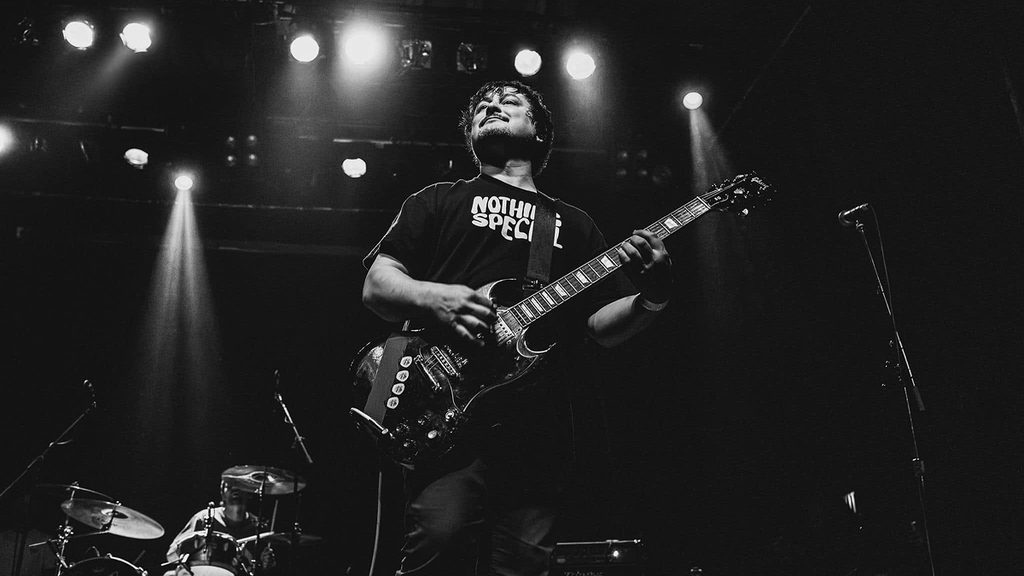
illScarlett’s own shorthand for its sound is “reggae, rock, ska, punk, and dub,” and the foundation is no secret. Sublime’s blend of punk speed, ska upstrokes and reggae sway is the blueprint. Norman has been fielding the comparison since the beginning, and over the years he has mostly met it with a shrug.
“People say we sound like Sublime. Well, duh, I know that!” he told a reporter in 2011. His real point, made in interview after interview, is that Sublime is one ingredient among many. In 2006 he told a Toronto paper that the band disliked being called the next Sublime precisely because so much else is going on in the songs.
The influences underneath run wider than one California band. The members were raised on their parents’ Beatles and Queen records, and the music they chose for themselves runs through Nirvana, Incubus, Beck, The Police and Foo Fighters.
In a 2014 television interview, Norman said he grew up on Motown while also loving punk, Piorkowski named Queen and Nirvana, and bassist CJ Hinds cited reggae and metal. That spread explains why an illScarlett song can slide from a punk chorus to a reggae groove without either side winning.
The early records carried a turntable, with Kennedy’s scratches giving the band a hip-hop edge that most ska-punk acts lacked. As members turned over, the turntable chair disappeared and illScarlett became a guitar band, though the dub side of the blueprint never left. It surfaces in deep-groove album closers like Danse Macabre and in the spaced-out corners of later records.
Norman’s voice is the hinge. Chart magazine’s reviewer, covering EPdemic in 2006, heard something of Jason Mraz in his wail, praised the band’s pop sensibility and predicted a future on rock radio. V13, reviewing the major-label debut, credited his confident, pop-minded delivery with lifting songs like Life of a Soldier and NTF above genre exercises.
The live show cut across scenes, too. In the peak years an illScarlett crowd mixed hip-hop kids, punk kids and emo kids, which is part of why the band could move between Warped Tour stages, rock radio festivals and club bills without changing its set.
The Generator Set That Opened Every Door
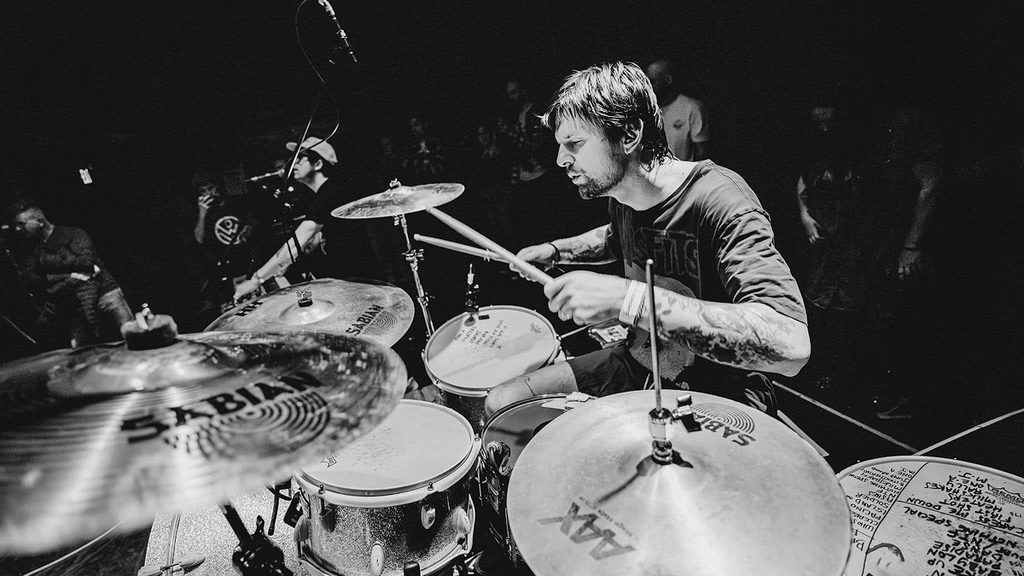
The 2004 Warped Tour date in Barrie was the band’s first real shot at something bigger, and illScarlett was not invited. It set up beside the line of fans waiting to get in, ran its gear off a generator and played for an hour and a half. Within about three songs, word travelled. As the band tells it, a former Sublime roadie working security radioed tour founder Kevin Lyman to say there was a group in the parking lot that sounded like Sublime.
Lyman came out to listen and invited illScarlett to play his private backstage barbecue that night. The set went over well enough that he offered dates on the 2005 tour, and the band was welcomed back in 2006. Norman has described the barbecue as a once-in-a-lifetime night, a moment he wanted to slow down and hold onto, even though he was nervous and had slept in a van.
The relationship outlasted that summer: in 2011 Norman said the band had met its manager through Lyman.
What happened next was less glamorous and just as important. illScarlett kept ordering its self-released CDs in runs of a thousand or two thousand, selling them off stage, on consignment in record stores and through a deal with the action-sports retailer West 49. By 2006 iLLP and its follow-up, Clearly in Another Fine Mess, had moved roughly 15,000 copies between them.
Clearly in Another Fine Mess, released on January 31, 2006, collected studio, live and acoustic material and became the first home of Nothing Special.
The momentum kept building through 2006. Toronto’s The Edge put Heaters into regular rotation and the single climbed into the station’s top thirty. The band became the first independent act to play the main stage at EdgeFest. It played the inaugural Virgin Festival in Toronto that September, and by then it was routinely drawing crowds of more than a thousand.
Major labels took notice, and so did the people who would build the next stage of its career.
EPdemic and the Eight Songs With Backstories
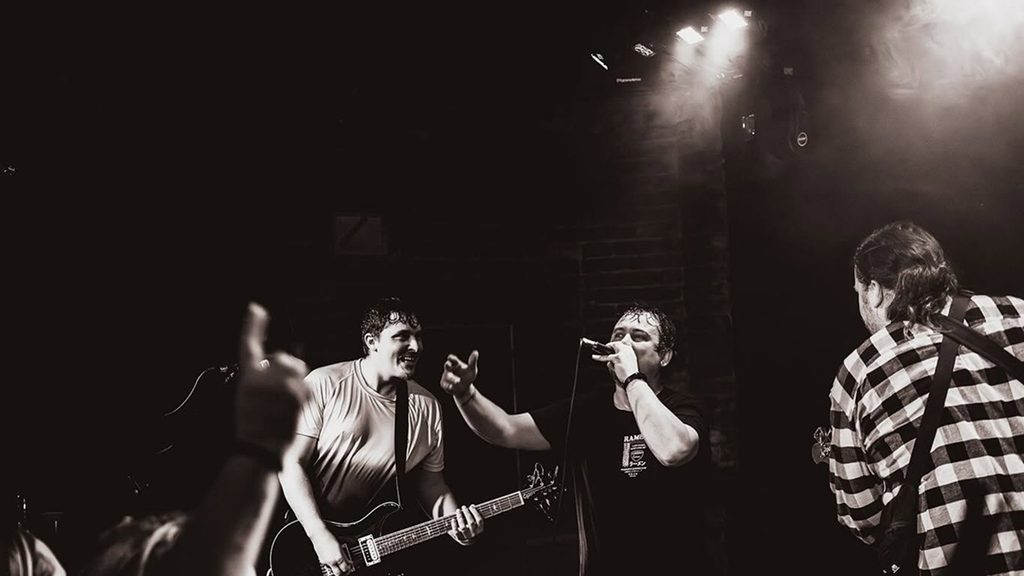
EPdemic arrived on October 31, 2006, eight songs on the band’s own Infect the Masses imprint, distributed through Sony BMG’s Red Ink arm. It was not, as the story is sometimes told, a record made in the glow of a new deal. The band recorded it independently in the fall of 2005 at The Vault and Backroom Recording Studio in west Toronto, with producer Mike Borkowsky, before Sony BMG was in the picture. The label itself presented the release as a transitional step.
The man behind that step was Greg Boggs, a former Columbia Records A&R executive who had just taken over A&R at Sony BMG Music Canada, with illScarlett as his first signing. Boggs first saw the band at a sold-out Opera House show in February 2006 and could not believe no one had signed it.
His plan was deliberately modest: polish what the band already had, improve the packaging, get the record into stores and let the radio support for Heaters build without pressure. The band’s managers, Brad Rubens in Philadelphia and Andy Winkler in New York, helped steer the deal.
Every one of the eight songs had a past. Heaters and N.T.F. appeared essentially as they were, First Shot and One-A received new mixes, and Rally, Pacino, Mary Jane and Not a Prophecy were recut in the studio. Norman said the earlier recordings never satisfied the band because there was never money to do them properly, and that working with Borkowsky finally made recording feel like fun instead of a chore.
The songs themselves are less solemn than their reputations. Norman called Heaters a silly song, a tongue-in-cheek jab at the police who pushed the band around when its members were younger. One-A is a place: an apartment in Streetsville where a friend named Neil, one of the band’s earliest believers, threw parties.
The Chart magazine review praised the record’s smooth blend of ska, dub and reggae, and the band picked up two CASBY Award nominations in 2006, for Favourite New Artist and Favourite New Indie Release.
The EP’s staying power is its real legacy. In the band’s logged live history, One-A has been played 39 times, and Heaters and Mary Jane 35 each, figures bettered by only one song in the catalogue. When Sony later assembled an ultimate collector’s edition of the major-label debut, its bonus disc included studio acoustic versions of Heaters, One-A, Mary Jane and First Shot.
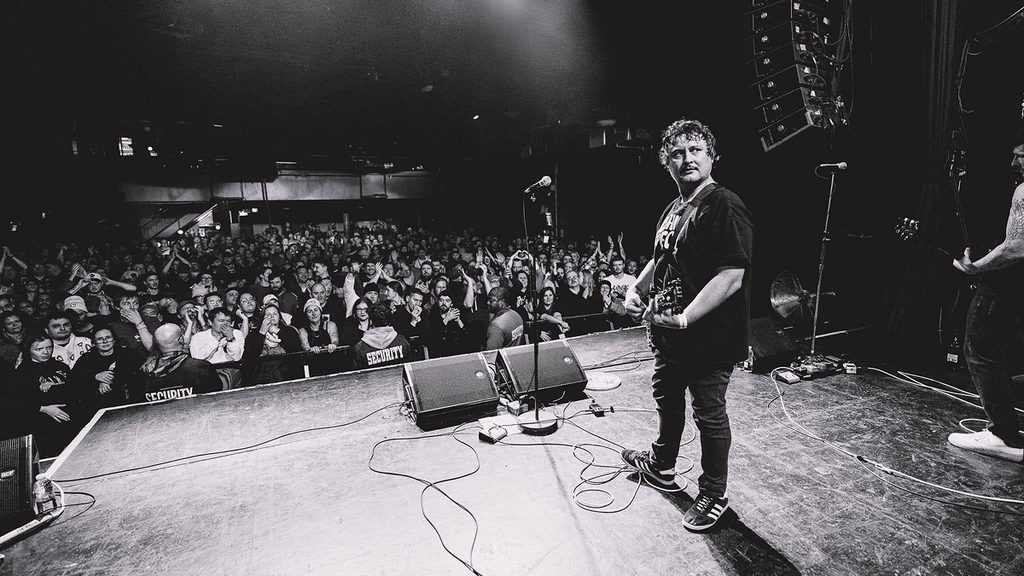
Sony, Los Angeles, and a Major-Label Debut
Sony BMG Music Canada announced the signing in November 2006. Norman said at the time that the next album would carry a much larger budget and more direction from the label. For the follow-up the band went to Los Angeles to work with Matthew Wilder, the producer behind No Doubt’s Tragic Kingdom and one of the few people who understood how to put ska, punk and pop radio in the same room.
All Day With It was released on July 10, 2007, played by Norman, Piorkowski, Marr and Doherty. The record was made at NRG Recording Studios and Hallelujah Studio in Los Angeles and The Warehouse Studio in Vancouver, mixed by Mike Fraser and mastered by Ted Jensen at Sterling Sound in New York, a long way from the Five Dollar Demo.
Four of its ten tracks were re-recordings: Nothing Special, NTF, Pacino and Clearer Now had all lived earlier lives on independent releases, and Wilder’s job was partly to carry them into major-label form without sanding off what made them work.
The album opens at full tilt. Who’s Got It? starts with a flamenco guitar lick and a turntable lead before settling into bouncy, rhythm-driven rock, and it was chosen as the official song of the 2007 FIFA U-20 World Cup, which Canada hosted that summer. Paradise Burning leans into the reggae sway, Clearer Now adds a punk tinge, The Fashion (Do or Die) aims straight at radio, and the album closes with Danse Macabre, a five-minute dub excursion.
Nothing Special became the signature single. It reached No. 87 on the Canadian Hot 100 and No. 1 on the MuchMusic Countdown, and its video, in which the band moves through a house in sped-up motion while Norman’s mouth syncs at normal speed, drew five MuchMusic Video Award nominations.
Life of a Soldier, released in October 2007, climbed to No. 71. Written as a soldier’s letter home, it is the clearest showcase of Norman’s lyric writing, the moment the party band proved it could carry a serious song without dropping the groove. Who’s Got It? followed as the third single in 2008. The album peaked at No. 41 on the Canadian Albums Chart and No. 17 on the alternative chart.
Critics split on what the major-label treatment did to the band. The Toronto Star reviewed it warmly, and AbsolutePunk was positive. ThePunkSite argued the production buried the stripped-down charm of EPdemic, a debate about polish versus rawness that has followed illScarlett ever since.
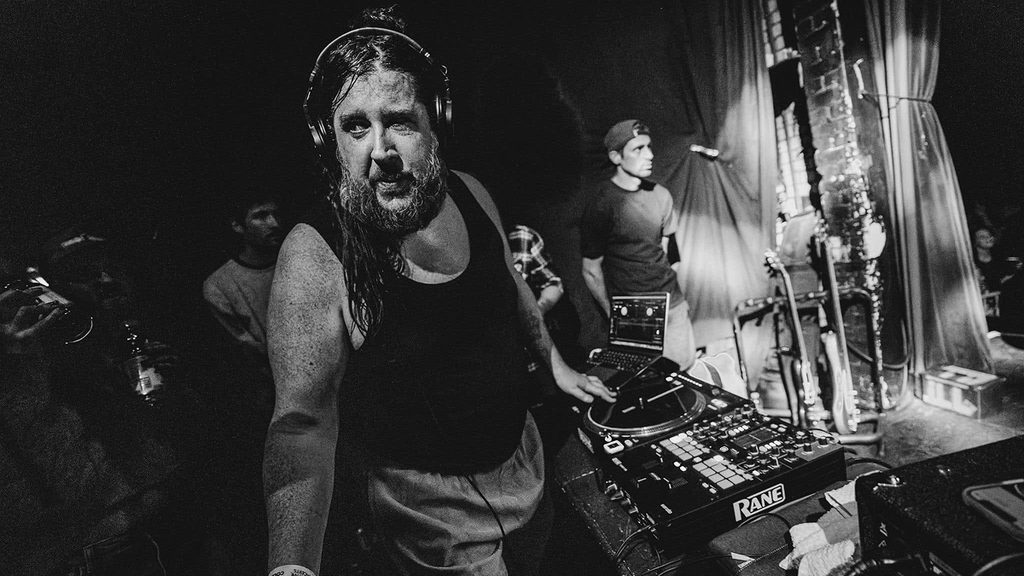
Gold Certification, Juno Nods, and Relentless Touring
In December 2008 All Day With It was certified gold in Canada, representing 50,000 units.
The band was nominated for New Group of the Year at the 2008 Juno Awards, losing to Wintersleep, and the Nothing Special video earned MuchMusic Video Award nominations for Best Video, Best Rock Video and People’s Choice for Favourite Canadian Group, among others. Norman said the Juno nomination was a goal the band had set for itself and felt like proof that it was a real band. The Fashion (Do or Die) landed in the soundtrack of a snowboarding video game.
The road schedule matched the momentum. Concert archives log 74 shows in 2007 and roughly 80 more in 2008, across Canada, the United States, Japan, Germany and the rest of Europe, including a Japanese tour with Zebrahead and a German run sponsored by Jack Daniel’s.
Over 2008 and 2009 illScarlett shared stages with Blink-182, Fall Out Boy, Avril Lavigne, Billy Talent, Alexisonfire, Metric, Bedouin Soundclash, The Roots and Pepper. Norman said the band felt a particular kinship with Billy Talent, also from Mississauga. Cutting Edge Music Festival dates in Grand Bend in 2007 and 2008 kept the band close to its Ontario audience.
Opening for Blink-182 on the pop-punk giants’ reunion tour, in Vancouver and Toronto, was a highlight. Piorkowski has called it probably the biggest show of the band’s career, a booking won against roughly thirty acts after the band’s manager pushed hard for it.
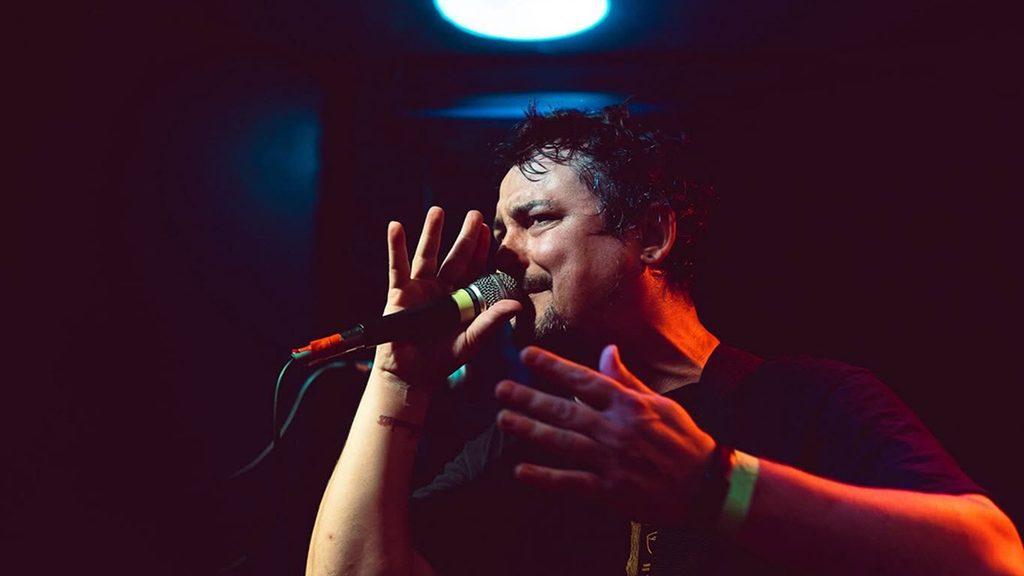
1UP! and the Push for Creative Control
illScarlett followed the gold record with 1UP!, released on September 29, 2009, which debuted at No. 26 on the Canadian Albums Chart. The title came from gaming. Norman, a self-confessed gamer who happily offered his PlayStation call sign to interviewers, explained that a 1UP is an extra life and a next level. Piorkowski, by his own cheerful admission, barely played at all.
The bigger change was who held the controls. After letting Wilder run the room on the debut, the band co-produced 1UP! with Robert Carranza, a Grammy-winning producer and engineer whose credits include Jack Johnson, The Mars Volta and Beck. Sessions were split between Glenwood Place Studios in Burbank, the Solar Powered Plastic Plant in Los Angeles and Metalworks back home in Mississauga.
Piorkowski said plainly that this time the band wanted to make the record it wanted to make.
The sound shifted with the control. By Piorkowski’s own estimate, the album runs about seventy percent reggae, and the band would have preferred a reggae lead single, but the label pushed the rock track Take It for Granted out first. The band ran an online contest asking fans to record backing vocals for it and put the winning entry on the final track.
Elsewhere, Milkshakes & Razorblades brings in a Kardinal Offishall cameo over steel drums and keys, Can’t Sleep slows the record to a smooth chill, Freezing stretches past five minutes, and Extra, Extra! and the title track keep the ska-punk engine hot.
Keyboards run through the album, organ, clavinet and piano alongside twelve-string guitar, and the band added a dedicated keyboard player to its touring lineup to reproduce the parts live. Reviewers could not agree on the result, and the argument said as much about what listeners wanted from illScarlett as about the record itself.
The band’s memories of the era are lighter. The Take It for Granted video drenched the members in children’s washable paint, with only Piorkowski’s real drum kit taking the hit, and the members joked that the six showers they took in a day made up for every shower missed on tour.
In the fall of 2009 the band opened for Pepper on a United States tour, then toured with ska-punk veterans Big D and the Kids Table, selling EPdemic as its first US release along the way. It also played Toronto’s Air Canada Centre on December 5, 2009, alongside Weezer, Motion City Soundtrack and Jack’s Mannequin.
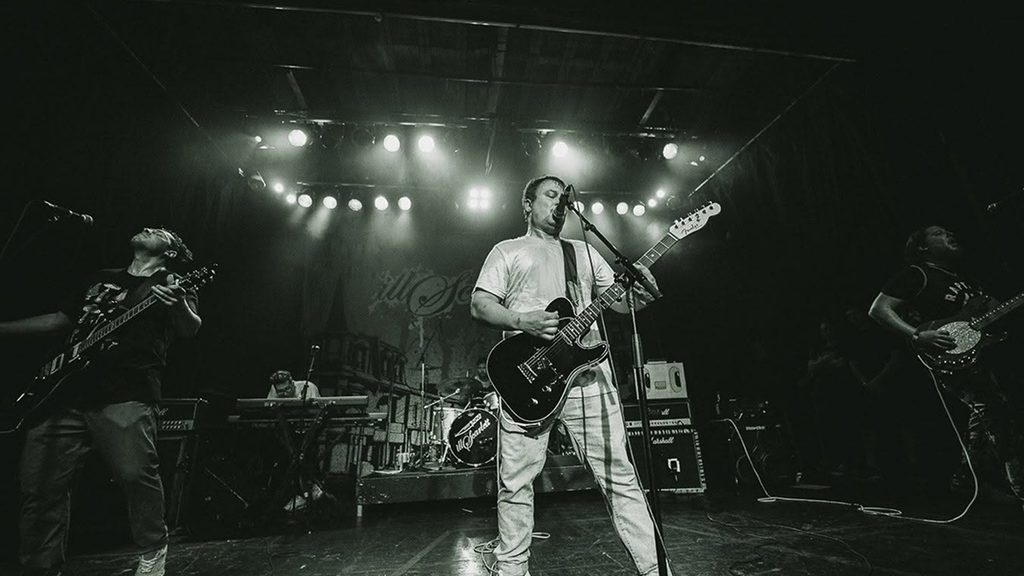
Parting Ways With Sony and Going Independent
The success arrived just as the economics of the music business collapsed. Norman later told a reporter that Sony, scrambling to make money in an era when people had stopped buying records, floated ideas for generating revenue that the band was not comfortable with. The label had done some good things for the band, he said, but it had become a business relationship that no longer worked.
The parties separated about a year after 1UP! came out, and Doherty left the band in the same stretch.
The band kept moving. In 2010 it toured Canada, the United States and China. In summer 2011 it was back on the Vans Warped Tour for the whole run, as one of the main attractions, writing new material on the road.
Norman told one interviewer at the Toronto stop that leaving a major label had the band ready to make a mess of things again. A July 16 stop at Parc Jean-Drapeau in Montreal that year fell on the same grounds where the band would return fifteen years later.
A small western Canadian tour that summer included a stop in Whistler, and the band spent time in New York recording a couple of tracks with producer David Kahne, the man behind Sublime’s biggest records, whose credits also include Paul McCartney and Sugar Ray. Norman hoped to have an album out by the end of the year. It did not arrive.
A five-track 2012 EP, released on August 20, 2012 and including Take a Ride, bridged the gap instead.
The Self-Titled Album and the Long Fade
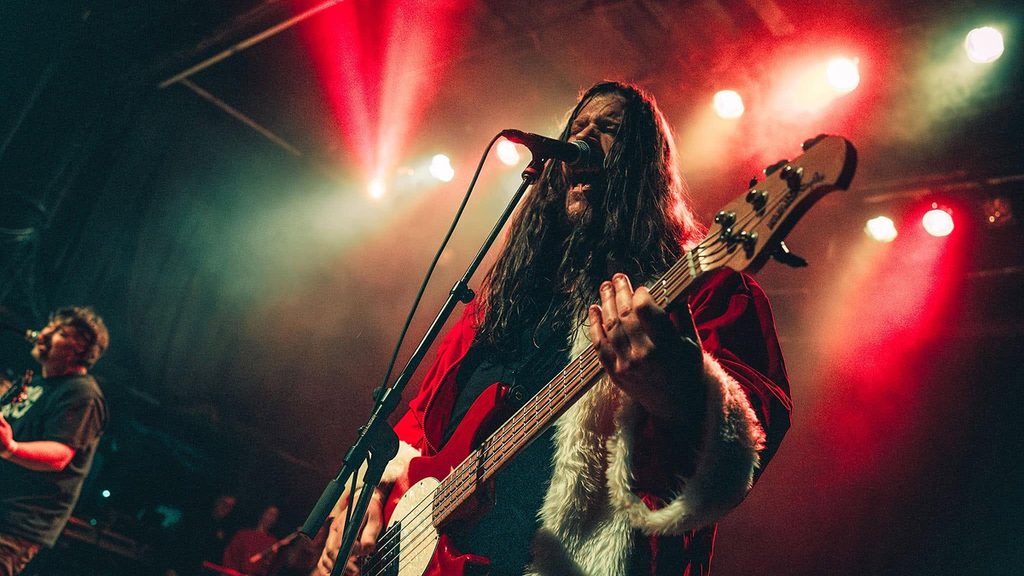
The single My Money arrived in May 2013, a full year ahead of the album it announced. The self-titled illScarlett followed on September 2, 2014 through Universal Music Canada, the band’s fifth studio album and, for a decade, its last.
The production hire closed a circle that began in the Barrie parking lot. Kahne produced the record, so a band that had broken through by sounding like Sublime spent its fifth album working with the man who had recorded much of the original.
The lineup behind Norman and Piorkowski for this chapter included CJ Hinds on bass and Justin Zoltek on guitar, with Geoff Willingham covering lead guitar on the road in 2013 and 2014. In a television interview that fall, Norman explained the gap since 1UP! simply: the band had been busy playing gigs around the world, got caught up in it, and finally realized it had to start writing.
The first single from the album was Down for Whatever. Piorkowski said Kahne helped shape the songs, some of which turned out much heavier than the band expected.
The thirteen tracks, from Blackout and Down for Whatever through Set It on Fire and Ghosts to the closing run of Too Late, Last Night Stand and Don’t Rush, keep the formula recognisable while leaning harder into rock.
Blackout opens with a classic reggae offbeat guitar riff before kicking into an alternative rock chorus, and My Money, a song for anyone who has ever lent cash to a friend who never paid it back, became the album’s calling card. A review in The Pier called it more of a rock album with reggae hints than the other way around.
Then the calendar emptied. illScarlett never announced a split, and concert archives still logged 29 shows in 2012, 22 in 2013 and 36 in 2014, but the schedule shrank to a handful of dates a year through the rest of the decade.
The band kept turning up for festival one-offs and hometown dates, including a June 2023 show in Edmonton and an appearance at the Rock the Rails festival in Fort McMurray in June 2024.
Singles, Remasters, and a Slow Rebuild
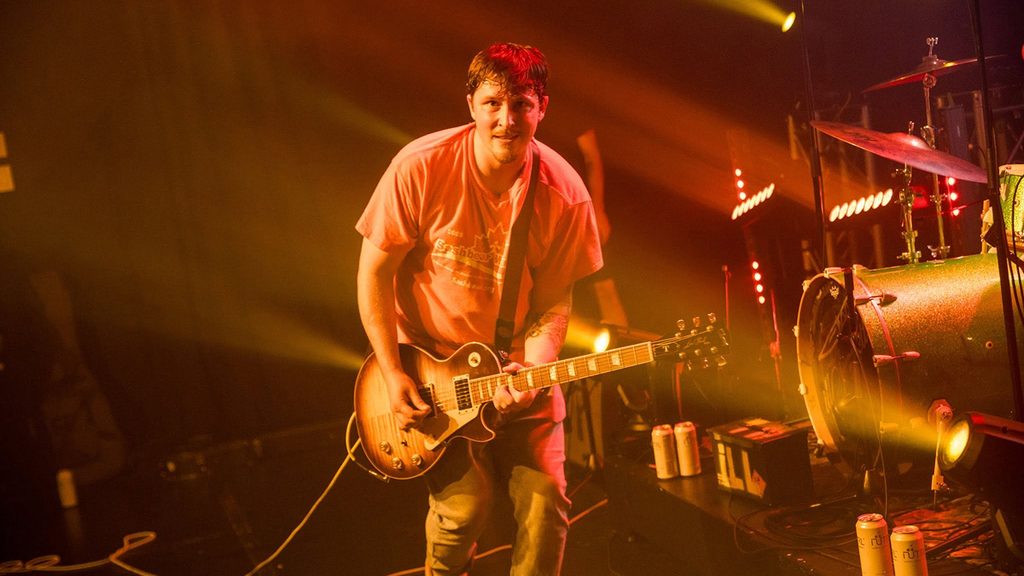
The catalogue started growing again in the 2020s. Sony Music Canada issued a remastered edition of All Day With It in June 2022, including a 24-bit hi-res version, and the band began releasing new singles on its own terms. Still Standing, released in June 2023, was its first new music in nine years, and its title reads like a mission statement.
Ashes (Keep On Going) and Island on Fire followed in 2024, Last Call in August 2025, and A Penny Dreadful, featuring Pat Gillett, on May 22, 2026. The material has been worked into live sets rather than saved for a studio announcement. Island on Fire now sits comfortably in the 2026 shows between the EPdemic songs and the All Day With It staples.
The band has been telling its own story, too. Lead guitarist Jake Robertson and Piorkowski appeared on the Joel Martin Mastery podcast to announce that new illScarlett music was on its way, and the band’s social feeds have carried a steady flow of announcements and live clips. Promoter copy for the anniversary shows points to a new full-length, the band’s first in more than a decade, though it has not yet appeared.
The next anniversary is already in view: All Day With It turns twenty in 2027.
The business loop has closed as neatly as the musical one. After the Sony BMG and Universal years, illScarlett is an independent band again, releasing music the same do-it-yourself way it started, when its members were selling self-released CDs to the Warped Tour line.
The Four-Piece Taking the Stage in 2026
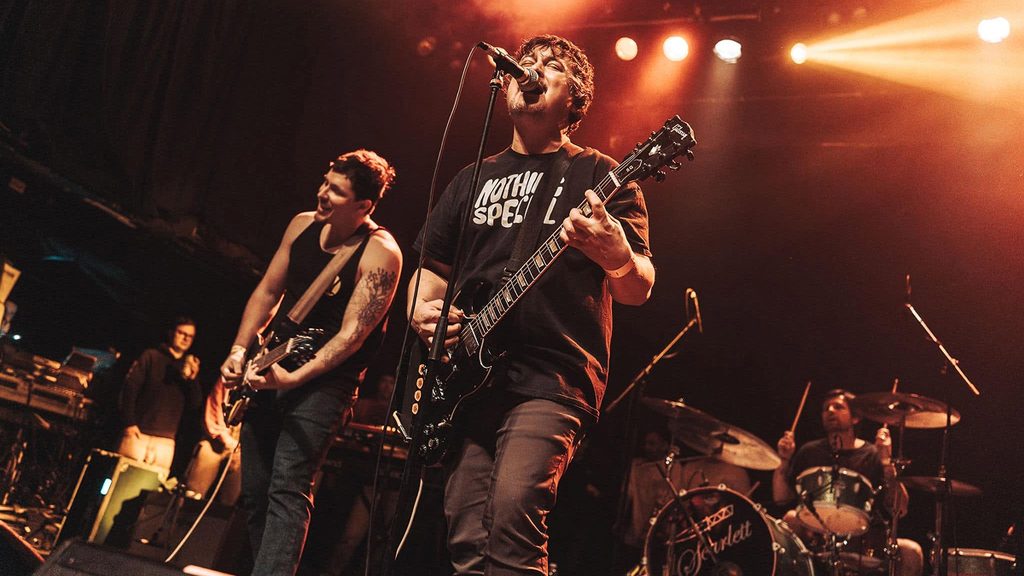
The current illScarlett is a four-piece: Norman on lead vocals and rhythm guitar, Piorkowski on drums, Robertson on lead guitar and Doherty on bass and backing vocals.
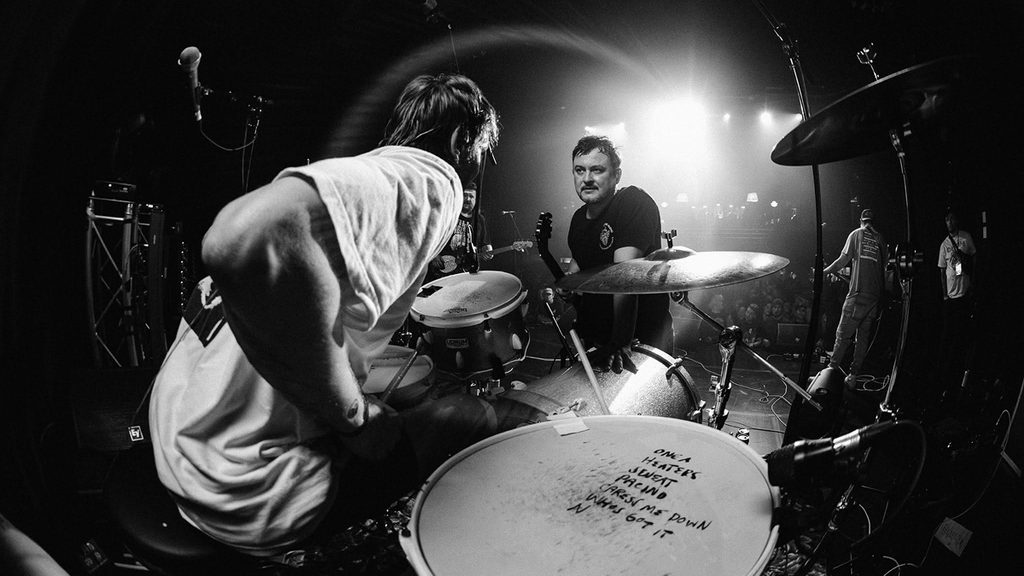
It is the leanest version of the band, with no turntable and no extra hands, and the songs have survived the streamlining. Norman and Piorkowski remain the centre they have been since Iona Catholic Secondary School, the singer-songwriter out front and the drummer driving the reggae-punk changes from behind the kit.
Doherty’s return closes the longest circle in the band’s story. He was a stand-in at the very first Horseshoe Tavern show, the bassist on the gold record, gone after the Sony years, and back in the chair for the anniversary era, backing vocals and all. Robertson holds the lead guitar chair that Marr owned through the major-label years.
The proof of life is in this year’s calendar. On June 13, illScarlett played EPdemic at Toronto’s Phoenix Concert Theatre as part of Billboard Canada LIVE at NXNE, a sold-out show at a venue that holds roughly 1,250.
In August it stood on a Vans Warped Tour stage again at Parc Jean-Drapeau in Montreal on August 21 and 22, twenty-two years after the generator set, on a bill that included Sublime, Jimmy Eat World, Simple Plan and Yellowcard. A late-August anniversary date followed at Dickens Pub in Calgary.
A sixteen-song set logged from the 2026 run opens with First Shot and Heaters, works through Pacino, Not a Prophecy and Rally, drops the new single A Penny Dreadful in mid-set, makes room for covers of House of Pain’s Jump Around and Forever Young, and closes with Nothing Special, Life of a Soldier and Mary Jane.
The covers are a tradition of their own. Across the band’s logged live history, the most-played cover is Sublime’s Caress Me Down, a nod to the influence that started everything, and the all-time most-played original is Nothing Special, ahead of One-A, Heaters and Mary Jane.
IllScarlett’s Charm and Long-Lasting Appeal: Why These Songs Have Lasted Twenty Years
illScarlett has never been a critic’s band in the sense of chasing reinvention.
Its best records are about groove first, with a pop chorus riding on top of it, and its worst moments tend to come when label pressure pushed it toward one side of that balance.
What the 2026 band has going for it is a catalogue whose hierarchy has barely moved in two decades. The same four songs from an eight-song EP recorded in 2005 still anchor the setlist, and the crowds are not asking for that to change.
The story is also a reminder of what an independent band can do when the machinery falls away. A generator, a parking lot and a stolen street sign turned into a gold record, a Juno nomination and a place on the bill with Sublime.
See IllScarlett at Maxwell’s in Waterloo, Ontario on Nov. 20: Get Your Tickets Here
The next stop on the anniversary run is Maxwell’s Concerts and Events in Waterloo on Friday, November 20, a return engagement after the band played the same room in October 2025.
It is a long way down the scale from a Warped Tour stage on Montreal’s Parc Jean-Drapeau, or even from the 1,250-capacity Phoenix in Toronto. Maxwell’s, on University Avenue East, holds roughly 500 people, the size of club where illScarlett built its following long before any label, chart or gold plaque came into the picture.
The band also has history in the neighbourhood. It played the Cutting Edge Music Festival in nearby Kitchener in August 2009, in the thick of the 1UP! cycle, and the Waterloo date leans on the local scene it grew up beside. Arcade Allstars, a horn-driven Ontario ska outfit, and StereoKid open the night.
Doors are at 7:00 p.m., music starts at 7:30, and the show is all ages and licensed, with general admission standing and limited side seating.
If the set resembles the sixteen-song run logged from this summer, the night should move the way the band’s best shows always have: First Shot and Heaters to open, the EPdemic songs and the newer singles in the middle, and a closing stretch of Nothing Special, Life of a Soldier and Mary Jane.
Those are songs that have survived label changes, lineup turnover and a decade of near-silence, and they are still being sung back at the stage word for word.
That may be the most telling detail of the whole twenty-year story. In 2004, illScarlett played to a line of people who had nowhere else to be. In 2026, it plays to rooms of people who bought a ticket and came specifically to hear it.