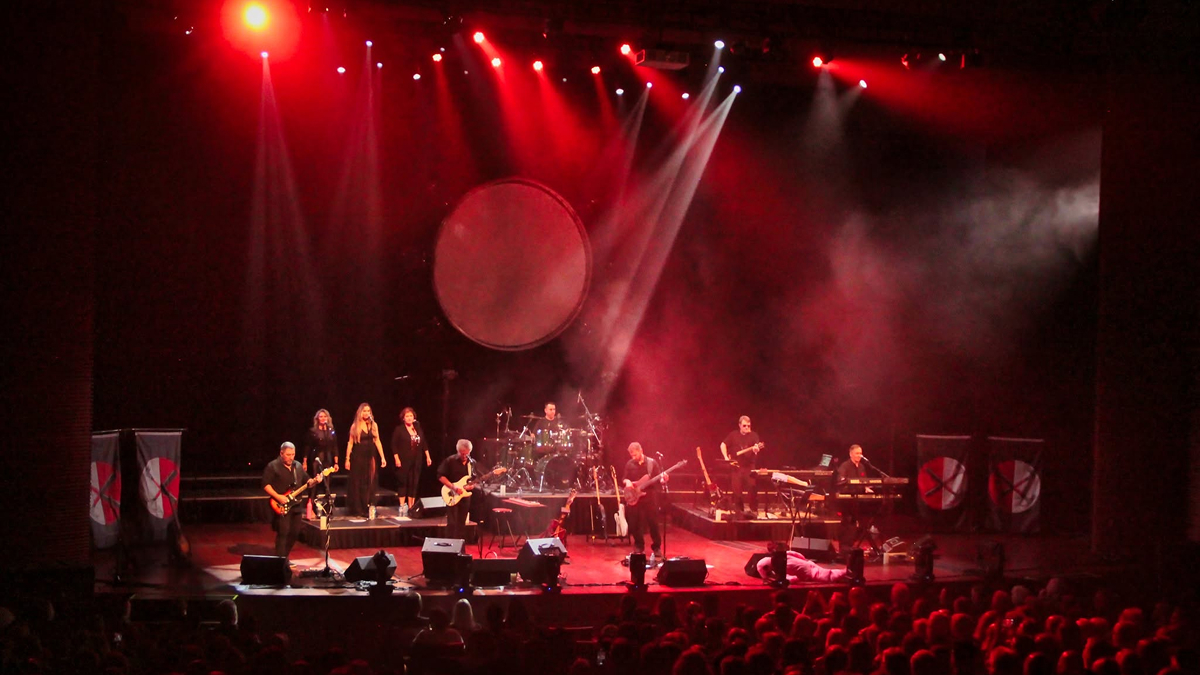
Larry Swiercz was a teenager when he first heard The Dark Side of the Moon, and by his own account it was a pivotal moment. He grew up a prog-rocker, shaped by Emerson, Lake & Palmer, Yes, King Crimson and Gentle Giant, but Pink Floyd was the band that never let go. He saw them live twice: once in 1987, and again in 1994, when the Division Bell tour played Toronto’s CNE.
That second show set the course of his musical life. Swiercz has said that after the concert he made it his goal to recreate the feeling he walked out with, and he puts that feeling in two words: pure joy.
Nearly two decades later, that goal still drives Pink Floyd Niagara, the ensemble Swiercz founded in 2007 and continues to lead as its musical and production director.
Along the way the band has staged a four-night winter run built around a quadraphonic recreation of the 1994 tour, shrunk from eleven players to eight, gone quiet for years at a stretch, returned in a deliberately leaner form, and then rebuilt itself into the ten-piece production that now plays theatres across Southern Ontario.
Pink Floyd Niagara Is A Band Proudly Built in Niagara
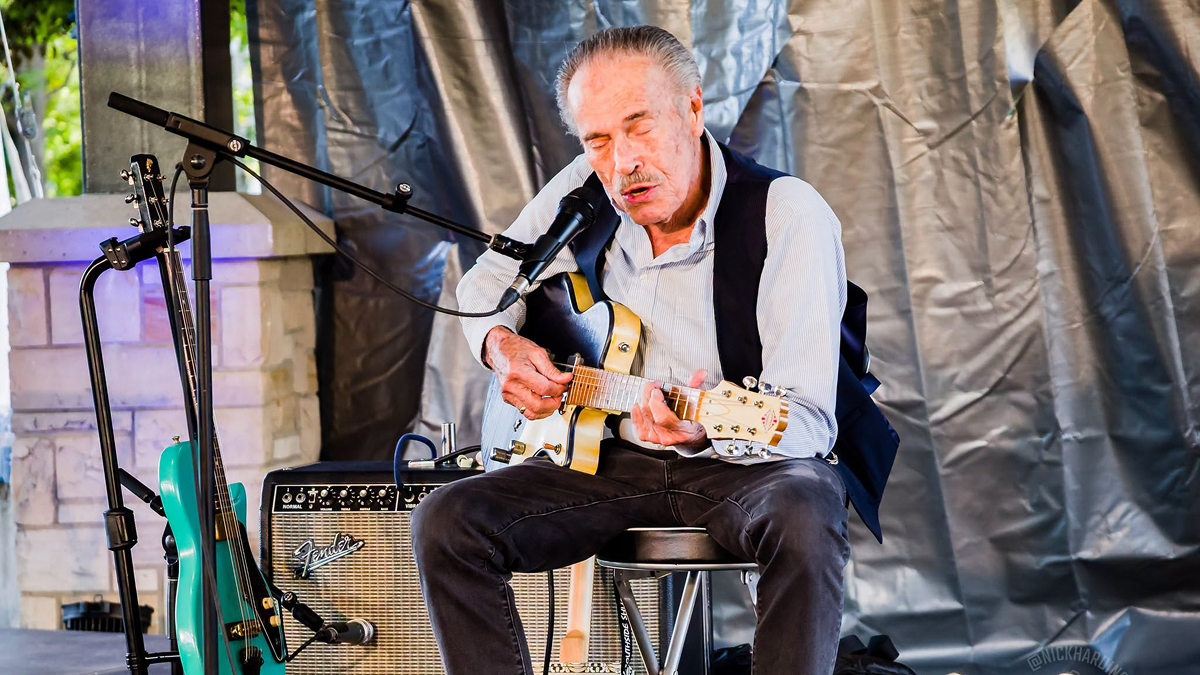
Guitarist Mark Christopher had been a working musician since 1981, a lead guitarist and lead vocalist in road bands across Ontario and Quebec.
In the mid-to-late 1980s he went all original, writing and recording his own music in the Niagara area. Eventually, he went back to covers, playing in a succession of duos and trios. Then, in 2007, he was approached to form what would become Pink Floyd Niagara. Looking back, he calls the project a dream come true: a chance to play music he loves while emulating his favourite guitar player.
The band’s own biographies credit Swiercz as its founding member. However the credit is divided, the founding group was drawn from the region’s working-musician community, and a striking number of its members never left.
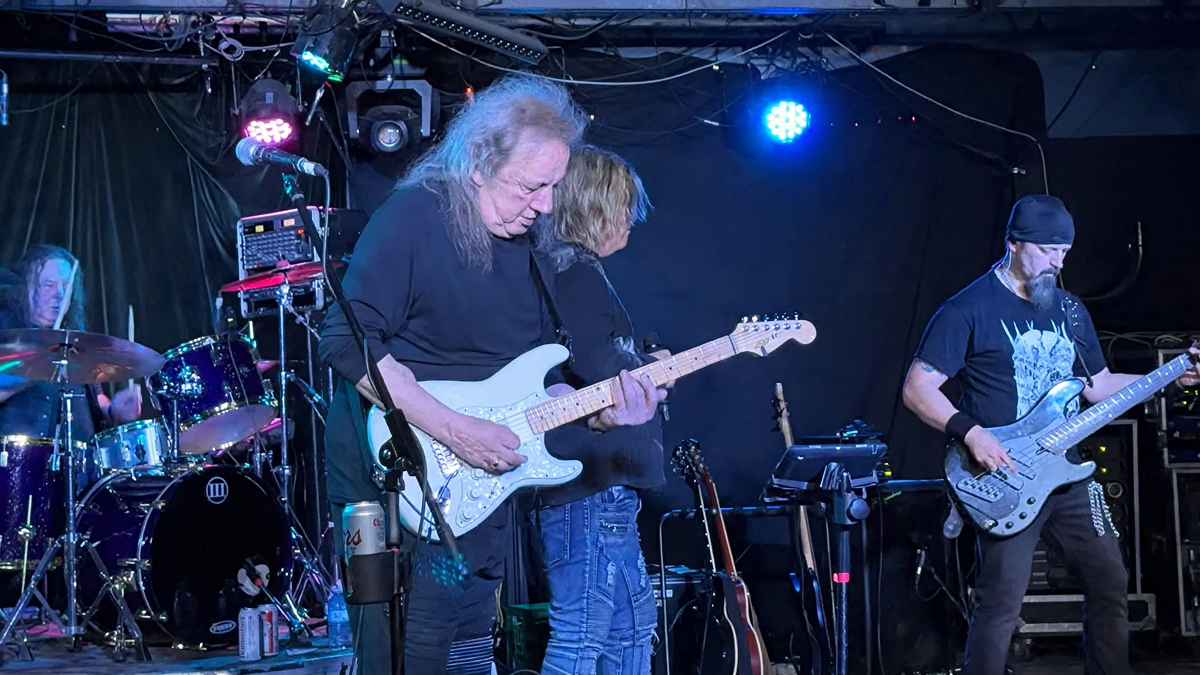
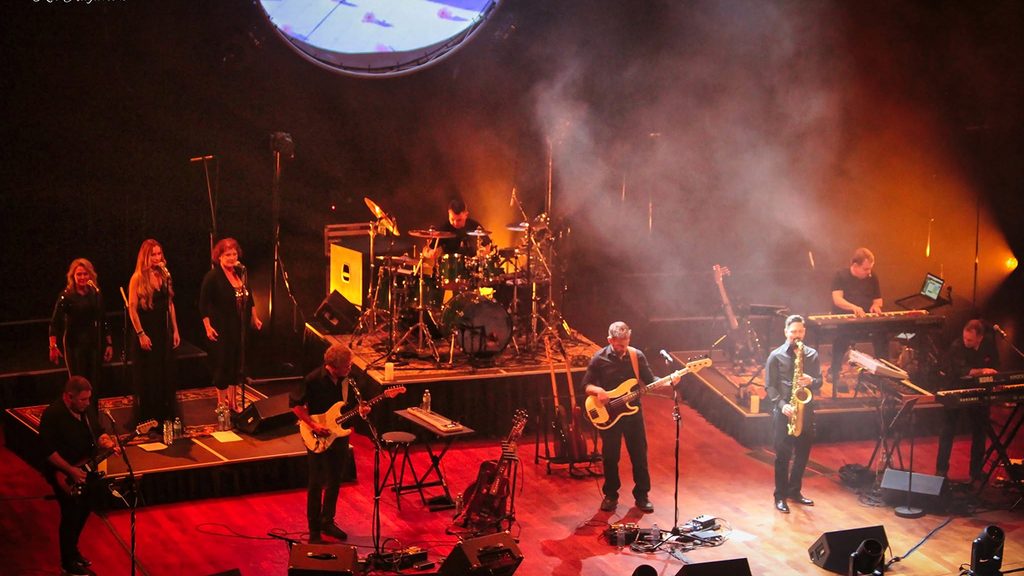
Of the ten performers on stage today, six date to the beginning: Swiercz, Christopher, multi-instrumentalist Eric Price, saxophonist Stan Szymkow, and vocalists Tina Vaillancourt and Sue Ethier. That kind of continuity is unusual for any band, and rarer still for one assembled to play someone else’s music.
In 2007 and again in 2008, the group played back-to-back summers at the Niagara Centre for the Arts, the shows that first put it on the local map. It then won a Niagara Music Award for entertainer of the year. The awards themselves only began in 2008, which places the win squarely in the band’s earliest seasons.
It was an odd moment to be starting a Floyd tribute. Syd Barrett, the band’s original frontman, had died in 2006. In September 2008, during the band’s second year, keyboardist Richard Wright died at 65, a loss that landed hard on a group whose whole project is recreating the sound of his playing. The people who made the records were beginning to leave the stage for good.
After the award, Pink Floyd Niagara all but disappeared from view for years.
Recreating the Pulse Stage Show in the Heart of Niagara Falls
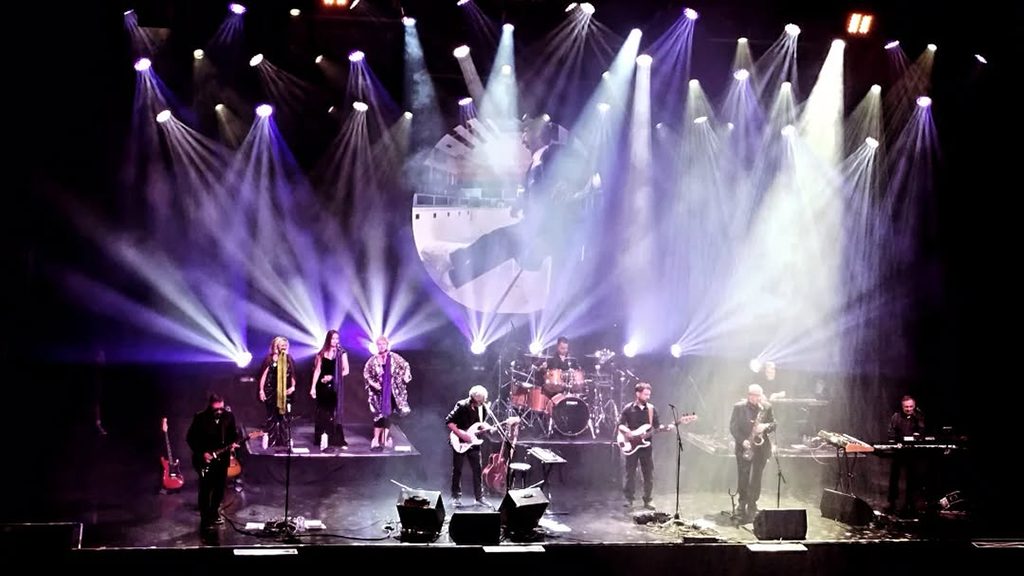
Roughly five years after those first seasons, the band booked a four-night run at the Seneca Queen Theatre in downtown Niagara Falls, a 1941 movie house turned live-music room, and drew devoted fans out in the depths of winter.
The show was a recreation of the 1994 Division Bell tour, the one Swiercz had seen at the CNE and the one documented on Pink Floyd’s live album Pulse.
After intermission, the band performed The Dark Side of the Moon in its entirety. It was staged in quadraphonic sound, with a light show built to emulate the Pulse tour as closely as the band could manage, and the lineup that produced it ran to eleven players. Swiercz later explained the approach: the band took control of the venue and brought in all of the production itself. It was, by his own account, a very expensive way to put on a show.
That ambition says a lot about the band’s priorities. Surround sound was never a gimmick in Pink Floyd’s world. The original band was experimenting with sound moving around a room as early as the late 1960s, and their records are full of effects placed in specific parts of the stereo field.
A tribute that ran the songs through an ordinary PA would reproduce the notes but not the experience. The Seneca Queen run was the band’s first full statement that it intended to reproduce both.
Then, once again, it stepped back.
2018: Pink Floyd Niagara Returns A 2nd Time Smaller on Purpose
The next silence lasted another five years.
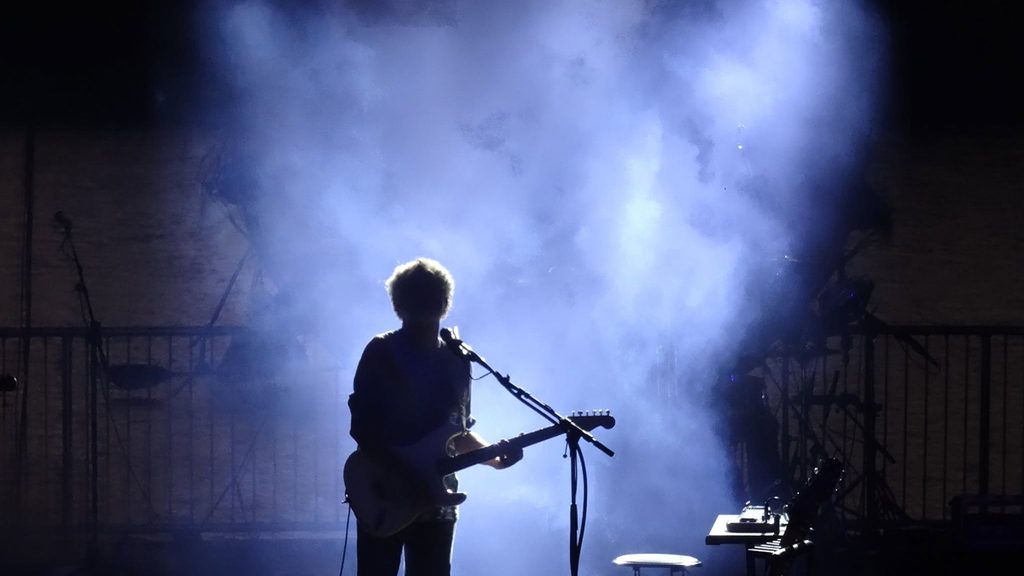
When Pink Floyd Niagara returned in June 2018 for two nights at The Sanctuary Centre for the Arts in Ridgeway, it came with a different philosophy.
Swiercz told the Niagara Falls Review he had decided on a leaner, less grandiose version. The lineup shrank from eleven to eight and the theatrics were scaled back, which opened up smaller, more affordable venues and made it easier to say yes to the opportunities that were coming the band’s way.
What was not up for negotiation was the music. Swiercz said it would stay faithful to Floyd, and he offered a simple test of success: “If the music’s there and people close their eyes, I think they’re transported.”
GoBe Weekly reported that the new staging was billed as The Delicate Sound of Thunder, after the live album from Floyd’s 1987–89 tour, and that it featured eight musicians, including a saxophonist and female backing singers. Swiercz said requests from fans had never stopped arriving, and told the paper it was time for “a run at her one more time.”
He described the Ridgeway dates as a test of a stripped-down version of his original vision.
The test worked. The band followed Ridgeway with a free Canada Day show at Concerts on the Canal in Welland. Pat Porter, a classic-rock broadcaster who spent eleven years at 91.7 Giant FM and emceed that night, remembers a capacity crowd at the Welland Amphitheatre and a charge of excitement and emotion that told everyone they were in the middle of something momentous.
He has since become a regular champion of the band on his weekly podcast on 4680q.ca, where he reminds listeners to plan ahead because shows sell out.
The Welland Downtown BIA saw the same thing. Its board chair, Kelly Jones, says the organization booked Pink Floyd Niagara to close out its summer concert series four years running, because the band’s sound and visuals consistently pulled the series’ biggest crowds and because it was easy to work with on the logistics.
Rebuilding to Ten
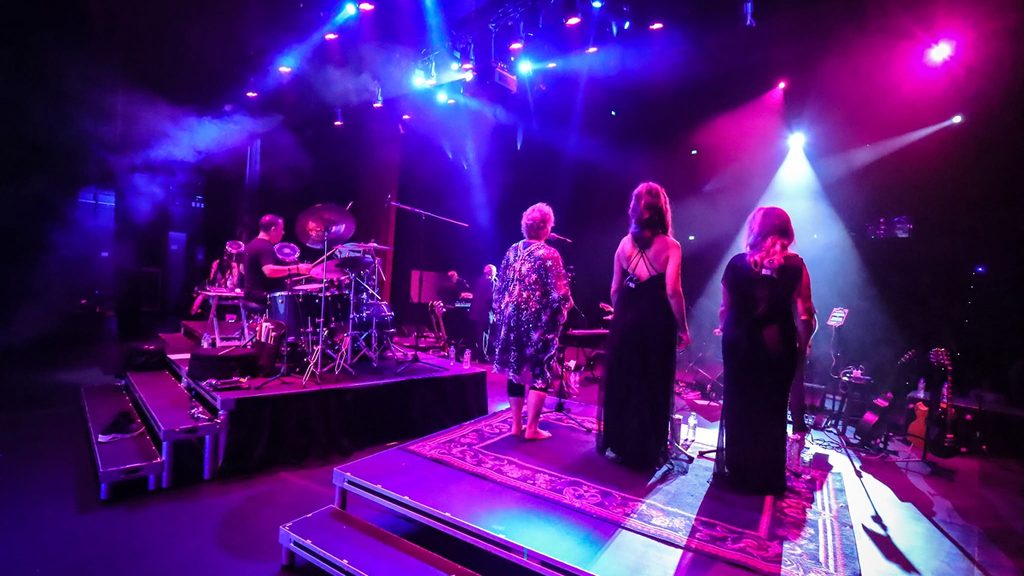
The lean version was never meant to be permanent, and the roster has been growing ever since.
Drummer Allan Colavecchia joined in 2017. In the early winter of 2022, singer Jenn Downie got a call from Swiercz asking whether she wanted to join the choir.
By her account, she said yes without hesitation. By then the band was back on the performing-arts circuit, and playing to full rooms.
The FirstOntario Performing Arts Centre in St. Catharines billed Pink Floyd Niagara’s 2022 and 2023 performances as sold out, then brought the band back to its 770-seat Partridge Hall on January 11, 2025 for Beyond the Horizon, a celebration of Pink Floyd’s 60th anniversary.
A November show at the same centre promised what Swiercz called the best version of the lineup: Downie newly added to the choir, guitarist Michael Swec joining the core group, and a set modelled once again on the Pulse album. Swiercz wanted that show to be over the top in visuals, audio and presentation, and longer than the band’s outdoor dates, with a couple of complete sets.
Who is Pink Floyd Niagara: The People on Stage
A ten-person band is ten biographies, and the combined résumé reads like a portrait of the Niagara music scene over four decades.
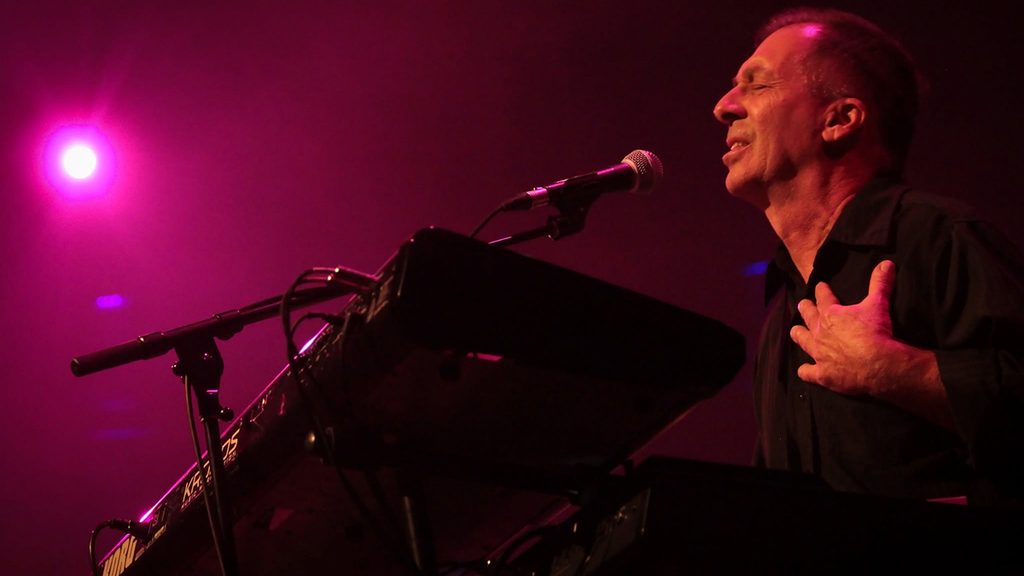
Larry Swiercz: musical director, keyboards, synthesizers, vocals.
The founding member and production director sets the terms for what the band will and won’t do, from how much production a given venue can carry to which era of Floyd a show is built around. He studies the records closely. He has talked about listening to versions of Dark Side in which the individual tracks can be heard separately, and discovering parts he had never noticed before, parts that explained why the album sounds the way it does.
His influences run through the English progressive bands of the 1970s, and it shows in how seriously he treats arrangement.
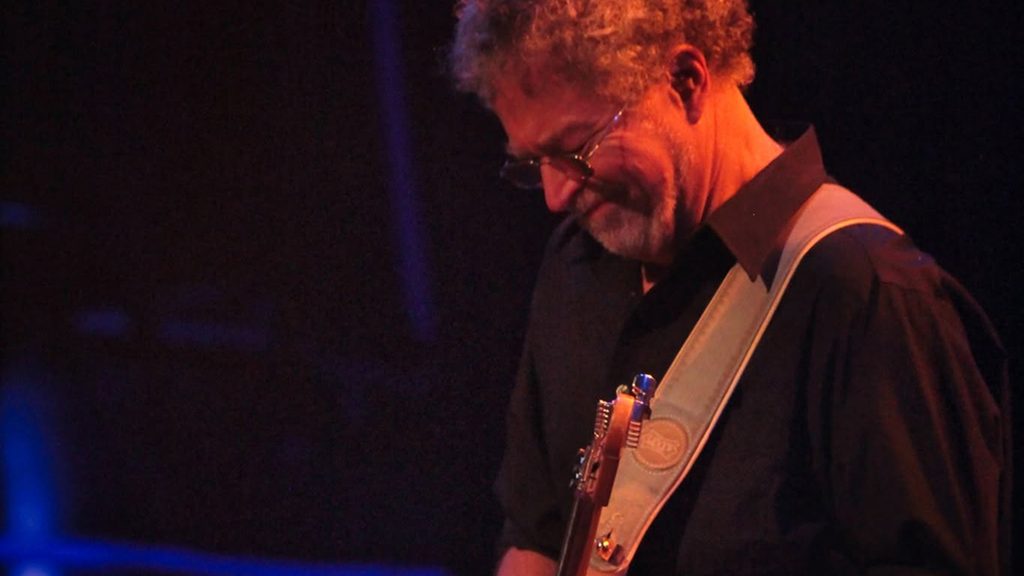
Mark Christopher: guitars, lap steel, talk-box, vocals.
In the show he carries the lead guitar and the specialty gear: the lap steel and the talk-box.
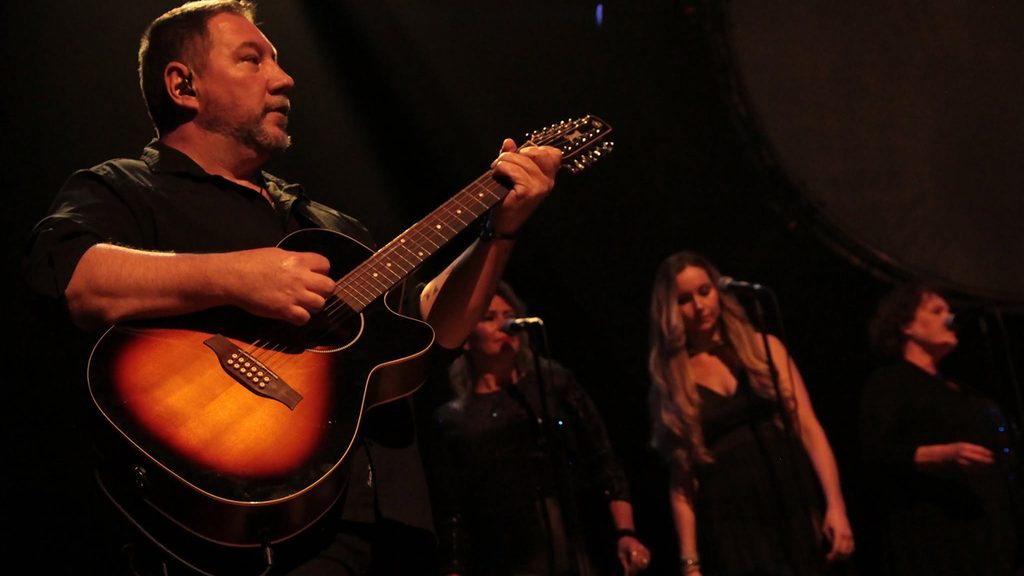
John Ball: guitars and vocals.
A native of Niagara Falls, Ball began his musical journey at 15, trading the classroom for a decade on the road with a touring rock band across North America. He then spent 25 years as a music and book publishing entrepreneur before returning to the stage, a rare dual perspective on the industry, as the band puts it.
In Pink Floyd Niagara he shares guitar duties with Christopher, which lets the band separate rhythm and texture from lead lines.
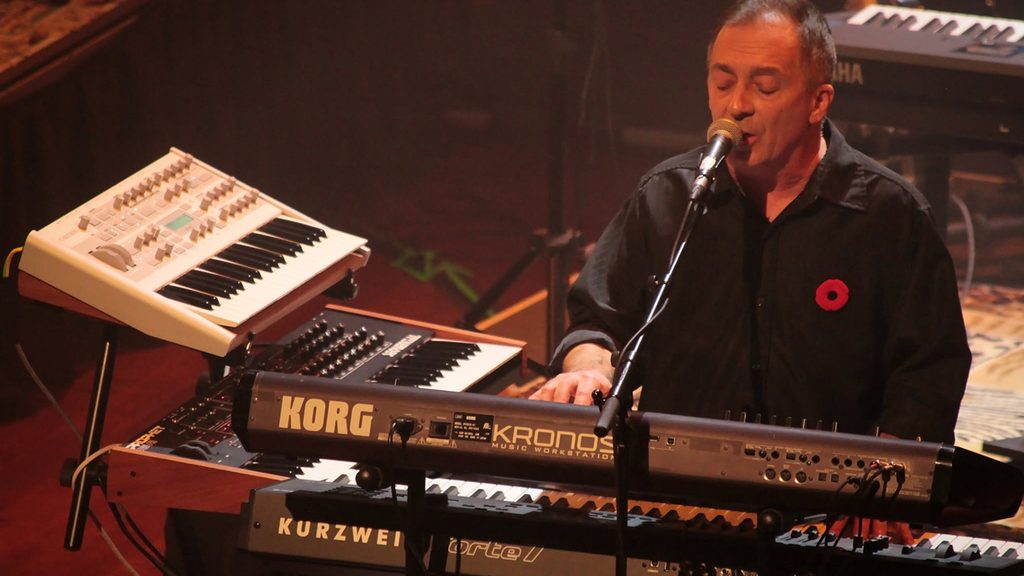
Eric Price: keyboards, percussion, guitar, costumes, vocals, audio and visuals.
One of the band’s inaugural members, Price is a multi-instrumentalist and IT specialist whose duties include computer and video synchronization, which means a good share of what the audience sees is run by someone who is also playing. His love of showmanship produced the band’s characters: the tyrannical Headmaster in the Wall medley, the fascist leader during In the Flesh, and an original creation, Mr. Bigg, a cigar-smoking, fat-cat record executive who delivers his business pitch to the band during Have a Cigar.
The band’s testimonials page even closes with a quip signed by Mr. Bigg, an inside joke for anyone who knows the song. Price says he has always had a deep respect for the band he is recreating.
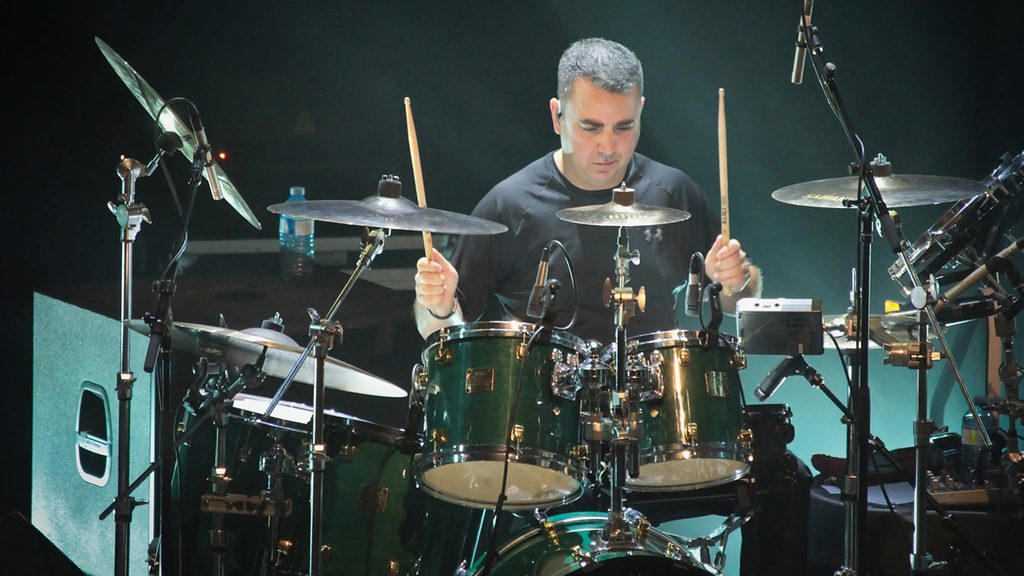
Allan Colavecchia: drums and percussion.
Colavecchia has been playing since the age of three and was working bars by sixteen. In 1999 he travelled to Michigan, and a year later to Los Angeles, competing in drum-solo contests and battles of the bands on behalf of the Ontario Conservatory of Music, and, by the band’s account, taking home the championship in every category he entered.
His original band, Oliver Black, signed a worldwide deal with TVT Records in 2004. The next year the group relocated to Austin, Texas, for nine months to tour, record a live five-song EP in Beaumont and write for its debut album, which was then recorded in Venice Beach with producer Michael Beinhorn (Red Hot Chili Peppers, Ozzy Osbourne, Soundgarden) and in Vancouver with GGGarth Richardson (Rage Against the Machine, Big Wreck, Rise Against).
He joined Pink Floyd Niagara in 2017, is endorsed by Yamaha Drums, Vic Firth and Sabian, and is the band’s booking contact.
Phil Martin: bass and vocals.
Martin has been playing music in Niagara for more than 25 years. He studied classical music in Buffalo and jazz in Toronto, a training that suits a role in which the bass has to groove on the early records, march on the Waters-era albums and float on the later ones. He describes himself as a Floyd fan at heart.
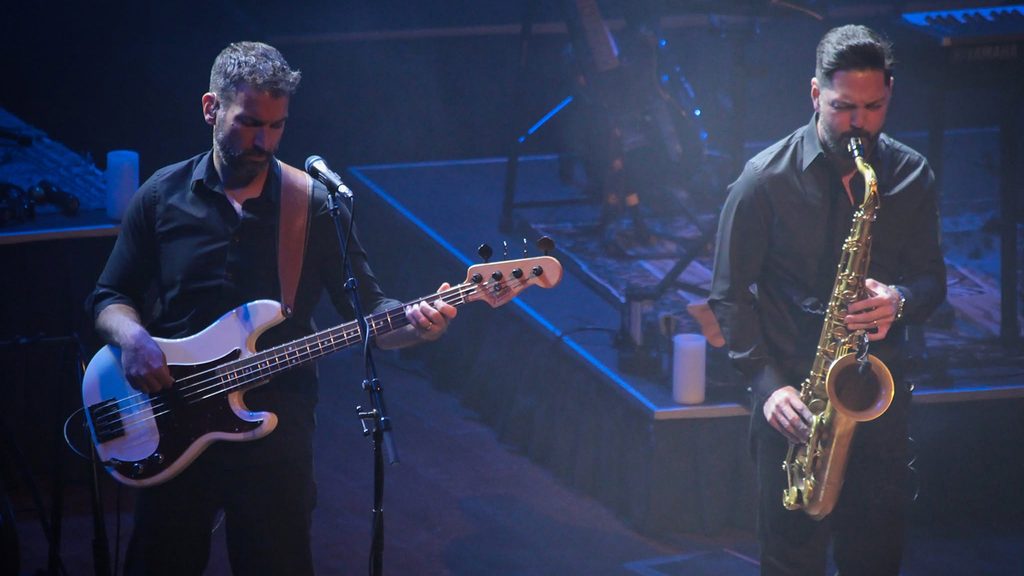
Stan Szymkow: saxophone.
Szymkow has played in Golden Horseshoe bands since 1967 and was part of the original 2007 incarnation of the band. His page names Dick Parry, Scott Page and Candy Dulfer as the saxophonists whose playing he interprets. Of his bandmates, he says simply, “These people are my family.”
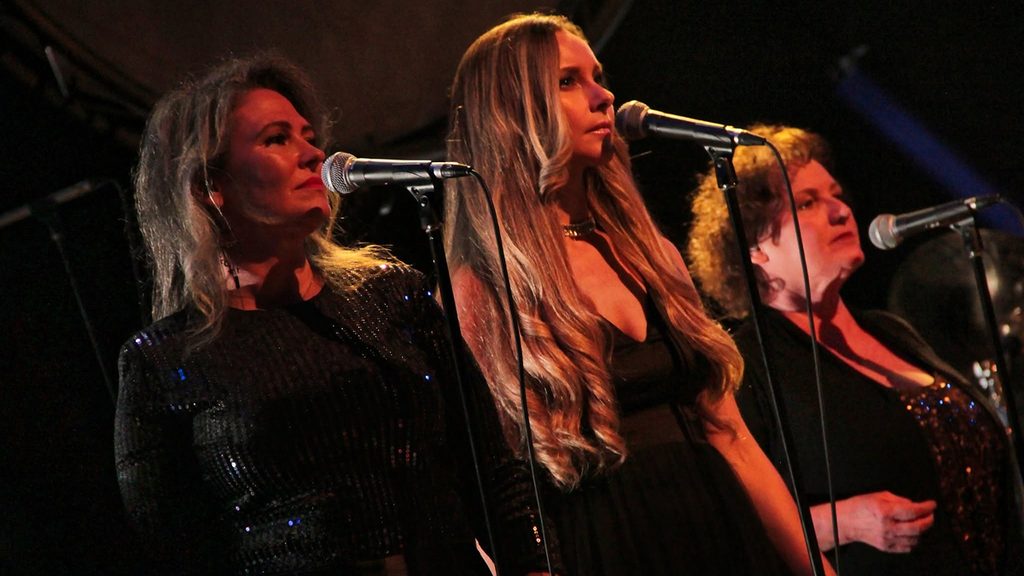
The choir: Tina Vaillancourt, Sue Ethier and Jenn Downie.
Vaillancourt studied theatre at Humber College and has been with the band since its inception. She has worked as a singer-songwriter with Marcone Music and recorded her own album at Halo Music Studio in Hamilton, with music videos produced by J.D. Louis.
Ethier, originally from Toronto, hit the Niagara music scene in the 1980s and has done everything from musical theatre (Garden City Productions, the Port Colborne Operatic Society, the Shaw Festival Theatre) to hosting karaoke nights in bars like the Schnitzel and the Cairncroft Hotel, then duos called Sneak Preview and Midnight Groove, and finally a classic-rock trio called Sheer Impact.
Downie is another original member. Her family will tell you she sang before she spoke, earning her the nickname Jenny Wren. She began working as a live musician in the Niagara region in 2016, has managed and fronted a classic-rock cover band called Clockwork, and plays acoustic shows as half of Velvet Crush. She describes herself as a geeky Pink Floyd super fan.
Keeping the Music Alive is Pink Floyd Niagara’s Perspective
Swiercz is clear about why he does it. “The goal has always been to do the music justice,” he told GoBe Weekly.
The further the world gets from the original band, he argued, and the more of its idols and legends who pass, the more the music will depend on the people who love it, believe in the art of it, and want to recreate it for new generations. That, he said, is the inspiration behind what the band does.
The passage of time has only sharpened that argument. Pink Floyd as a band last toured in 1994.
In 2005, the classic four-man core of Roger Waters, David Gilmour, Nick Mason and Richard Wright shared a stage for Live 8, and with Parry’s appearance on Money that night it was effectively the last full performance of the classic sound. Barrett died in 2006, Wright in 2008, Parry in 2026.
The records are not going anywhere, but the people who played them are.
That leaves the work of translating the records to a stage to people like the ten who make up Pink Floyd Niagara: players who came to the music as listeners, spent decades in other bands, and found a project that asked everything they had learned.
Buy Your Tickets to Pink Floyd Niagara in Delhi, Ontario on Nov. 14
On Saturday, November 14, Pink Floyd Niagara plays Capitol 33 at 93 King Street in Delhi, in Norfolk County.
Capitol 33 opened as a theatre in 1933 and has been restored with exposed brick and twenty-foot ceilings. Its capacity is 290, which means the full production will play to a room where every seat is close to the stage. Showtime is 8:00 p.m. The event is all ages and licensed, and tickets start at $56.50 through Ticketscene.
More than three decades after the Pulse tour left the CNE, the feeling Larry Swiercz set out to recreate is still the standard the band holds itself to.